
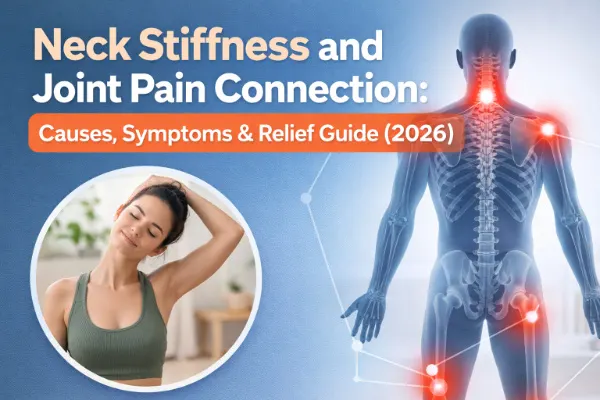
Neck pain can ruin your day before it even begins. You wake up, try to turn your head, and suddenly everything feels tight, sore, and restricted. At the same time, your knees ache or your shoulders feel stiff. It raises a natural question: is there a real neck stiffness and joint pain connection, or is it just coincidence?
The short answer is yes, they can be connected. But the relationship is not always simple. In this article, we break it down clearly using trusted medical insights, real physiology, and practical examples. No hype, no fluff, just facts that actually help.
If you are also dealing with lower back discomfort, these 8 Safe Core Exercises for Back Pain Over 50 That Actually Work can help strengthen your spine and reduce overall strain.
Understanding Neck Stiffness
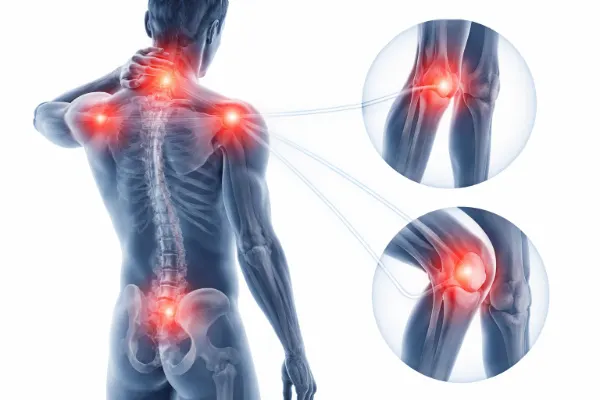
Neck stiffness happens when the muscles, joints, or nerves in your cervical spine stop moving freely. The cervical spine includes seven small vertebrae that support your head and allow movement in multiple directions.
Most people experience neck stiffness due to muscle strain. Long hours on phones and laptops push the head forward, forcing neck muscles to work overtime. Over time, this creates tightness and discomfort.
Other causes include minor injuries, stress related tension, and degenerative changes in the spine. According to the Mayo Clinic, neck pain often develops from muscle strain, worn joints, or nerve compression. These factors do not stay isolated and can influence other parts of the body.
What Causes Joint Pain?
Joint pain affects areas where bones meet, such as knees, shoulders, hips, and hands. It often involves inflammation, cartilage wear, or immune system activity.
Osteoarthritis remains one of the most common causes. It develops when cartilage gradually wears down, leading to pain and stiffness. Rheumatoid arthritis, on the other hand, is an autoimmune condition where the immune system attacks joint tissues.
The Centers for Disease Control and Prevention reports that arthritis affects tens of millions of adults, making joint pain one of the most widespread health issues.
Injuries, overuse, and aging also contribute to joint discomfort. While these causes seem separate from neck issues, they often overlap through shared body systems.
The Real Neck Stiffness and Joint Pain Connection
The neck stiffness and joint pain connection comes down to how the body functions as one system. Muscles, joints, and nerves work together. When one part struggles, others often compensate.
Inflammation as a Common Link
Inflammation connects many conditions that affect both the neck and joints. In diseases like rheumatoid arthritis, inflammation does not stay in one place. It can affect multiple joints, including those in the cervical spine.
This explains why some people experience neck stiffness alongside joint pain in other areas at the same time.
Posture Creates a Chain Reaction
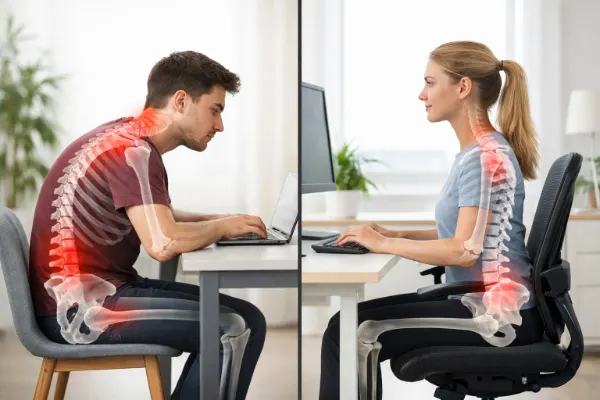
Posture plays a bigger role than most people expect. When your head shifts forward, your shoulders round and your spine loses alignment.
This imbalance increases pressure on joints throughout the body. Your shoulders, hips, and even knees may begin to ache. That is a clear mechanical example of the neck stiffness and joint pain connection.
Nerve Involvement Spreads Pain
The neck contains nerves that travel into the shoulders, arms, and upper back. When these nerves become compressed, pain may spread beyond the neck.
A pinched nerve in the cervical spine can create symptoms that feel like joint pain in the shoulders or arms. The National Institute of Neurological Disorders and Stroke explains that nerve compression can lead to pain, tingling, or weakness in connected areas.
Conditions That Show a Strong Connection
Some medical conditions clearly demonstrate the neck stiffness and joint pain connection.
Rheumatoid arthritis often affects multiple joints, including the neck. People with this condition may feel stiffness in the neck along with swelling in the hands and knees.
Cervical spondylosis develops due to age related wear and tear in the neck. It can limit mobility and lead to compensatory strain in other joints.
Fibromyalgia causes widespread pain, including both neck stiffness and joint sensitivity. While it does not damage joints directly, it amplifies pain signals across the body.
Ankylosing spondylitis primarily affects the spine and can cause severe stiffness. Over time, it may also involve larger joints.
Lifestyle Factors That Strengthen the Connection
Daily habits often play a silent but powerful role in the neck stiffness and joint pain connection.
A sedentary lifestyle weakens muscles and reduces joint flexibility. Sitting for long periods tightens the neck and reduces support for other joints.
Stress adds another layer. When stress levels rise, muscles tighten automatically, especially in the neck and shoulders.
Sleep position also matters. Poor neck support during sleep can lead to stiffness in the morning and contribute to overall joint discomfort.
When Should You Take It Seriously?
Not every case of neck stiffness or joint pain signals a serious problem. However, certain signs should not be ignored.
If symptoms last more than a few weeks, worsen over time, or affect multiple joints, it is wise to seek medical advice.
Numbness, weakness, or reduced mobility may indicate nerve involvement. Fever combined with pain may suggest infection or systemic inflammation.
These signs require proper evaluation rather than guesswork.
Practical Ways to Manage Both

Managing the neck stiffness and joint pain connection often starts with simple habits.
Posture correction remains one of the most effective steps. Keeping screens at eye level and avoiding prolonged downward angles reduces strain.
Gentle stretching improves flexibility and reduces stiffness. Regular movement keeps joints healthy and supports muscle function.
Physical activity such as walking, yoga, or light strength training helps maintain joint health. Movement improves circulation and reduces inflammation.
Heat therapy relaxes tight muscles, while cold therapy helps reduce swelling in joints.
If symptoms continue, physical therapy provides targeted exercises that address both neck and joint function.
The Science Behind It
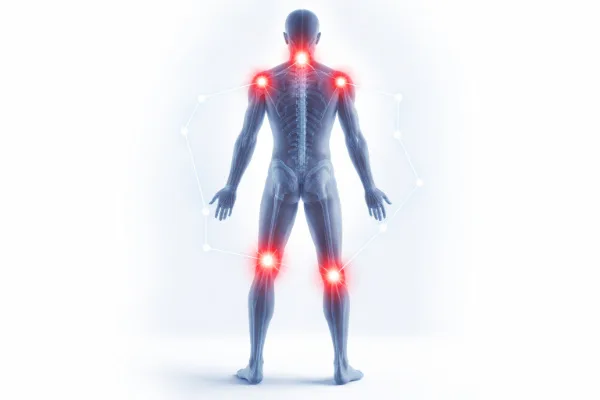
The neck stiffness and joint pain connection has a clear biological explanation. The body works as an integrated system.
Muscles stabilize joints. Joints protect nerves. Nerves send signals that control movement and pain perception.
Inflammation affects multiple areas at once. Poor posture alters biomechanics across the entire body. Nerve compression can spread discomfort beyond its origin.
Research shows that musculoskeletal issues often overlap rather than occur in isolation.
A Simple Reality Check
Not every case of neck stiffness and joint pain is connected. You might have neck strain from posture and knee pain from physical activity.
The key lies in patterns. If both issues appear together frequently or worsen at the same time, the connection becomes more likely.
Understanding this difference helps you avoid unnecessary worry while still staying aware.
Frequently Asked Questions
Can neck stiffness cause joint pain in other parts of the body?
Yes, neck stiffness can contribute to joint pain in other areas due to the neck stiffness and joint pain connection. Poor posture, muscle imbalance, and nerve compression in the cervical spine can create strain that spreads to the shoulders, upper back, and even arms. When the body compensates for limited neck movement, other joints take on extra stress, leading to discomfort.
What conditions link neck stiffness and joint pain together?
Several conditions explain the neck stiffness and joint pain connection. Rheumatoid arthritis, cervical spondylosis, fibromyalgia, and ankylosing spondylitis can affect both the neck and multiple joints. These conditions often involve inflammation or structural changes that impact the entire musculoskeletal system rather than a single area.
Is poor posture a major reason for neck stiffness and joint pain connection?
Yes, poor posture plays a major role in the neck stiffness and joint pain connection. When your head stays forward for long periods, it changes spinal alignment and increases pressure on joints throughout the body. Over time, this imbalance leads to stiffness in the neck and pain in areas like shoulders, hips, and knees.
When should I worry about neck stiffness and joint pain?
You should pay attention if the neck stiffness and joint pain connection comes with persistent symptoms, worsening discomfort, or limited movement. Warning signs include numbness, weakness, swelling in multiple joints, or pain lasting more than a few weeks. In such cases, medical evaluation helps identify underlying causes early.
How can I treat neck stiffness and joint pain naturally?
You can manage the neck stiffness and joint pain connection with simple lifestyle changes. Improving posture, doing regular stretching, staying active, and using heat or cold therapy can reduce symptoms. Consistency matters more than intensity, and small daily habits often bring long term relief.
Final Thoughts
The neck stiffness and joint pain connection is real and supported by medical understanding. Inflammation, posture, nerve pathways, and underlying conditions all contribute.
The most effective approach focuses on identifying the root cause. Once you understand why your symptoms occur, you can take practical steps to manage them.
Your body functions as a system, not separate parts. Treat it that way, and you will see better results over time.
Sources
Centers for Disease Control and Prevention
National Institute of Neurological Disorders and Strok
Author Bio
Jennifer Collins is a wellness researcher and natural health writer focused on adults over 40. With 3+ years of experience in digital health content, Jennifer specializes in making science-backed nutrition and lifestyle strategies easy to follow and apply.
Health Disclaimer
This content is for informational purposes only and is not intended to diagnose, treat, or cure any disease. Always consult your healthcare provider before making changes to your diet or health routine. This article may include affiliate links, which come at no extra cost to you.