
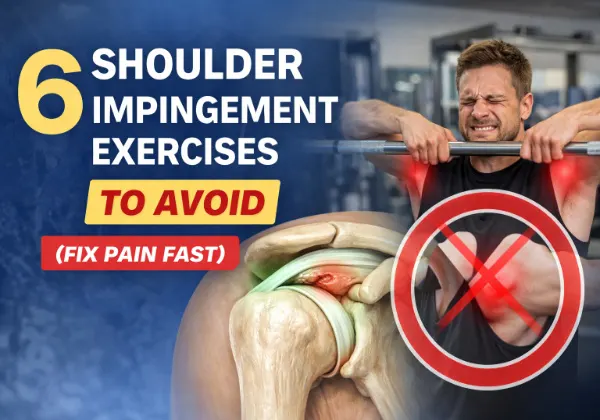
Shoulder pain can turn simple daily tasks into a struggle. Reaching overhead, lifting groceries, or even sleeping on your side may feel uncomfortable. One common cause behind this pain is shoulder impingement.
If you are searching for shoulder impingement exercises to avoid, you are already on the right track. The wrong exercises can worsen your condition, delay healing, and increase inflammation. The right ones can reduce pain, improve mobility, and restore strength.
This guide explains exactly what shoulder impingement is, which exercises you should avoid, and what to do instead using evidence-based strategies.
Table of Contents
What Is Shoulder Impingement?
Shoulder impingement happens when the tendons of your rotator cuff get compressed between the bones of your shoulder. This compression usually occurs during overhead movements.
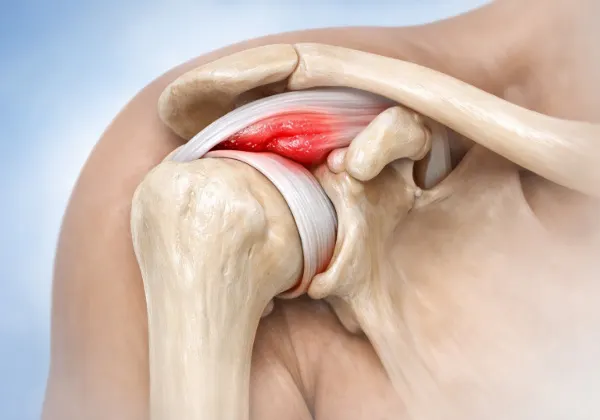
Your shoulder joint has a narrow space called the subacromial space. When this space narrows due to poor posture, inflammation, or muscle imbalance, the tendons get irritated.
This leads to:
- Pain when lifting your arm
- Weakness in the shoulder
- Reduced range of motion
- Discomfort during sleep
According to the American Academy of Orthopaedic Surgeons, shoulder impingement exercises to avoid is one of the most common causes of shoulder pain in adults.
Why Choosing the Right Exercises Matters
Many people try to “push through” shoulder pain. That approach often backfires.
Certain movements increase pressure inside the shoulder joint. If you continue doing them, you can worsen tendon irritation or even lead to rotator cuff injury.
That is why understanding shoulder impingement exercises to avoid is critical.
Smart exercise selection helps you:
- Reduce inflammation
- Improve shoulder mechanics
- Prevent long-term damage
- Speed up recovery
6 Shoulder Impingement Exercises to Avoid
Let’s break down the most common exercises that can aggravate shoulder impingement.
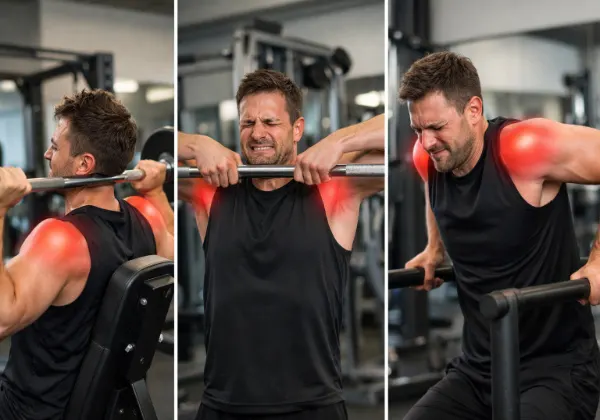
1. Behind-the-Neck Shoulder Press
This exercise forces your shoulders into extreme external rotation. It places unnecessary stress on the rotator cuff and narrows the subacromial space.
When you lower the bar behind your head, your shoulder loses its natural alignment.
Why avoid it:
It increases compression and can worsen impingement symptoms.
2. Upright Rows
Upright rows may look harmless, but they can be risky for your shoulder.
When you pull the barbell or dumbbells upward, your shoulder rotates internally while lifting. This position reduces space in the joint.
Why avoid it:
It creates the exact movement pattern that triggers impingement pain.
3. Lateral Raises with Poor Form
Lateral raises are popular, but improper technique turns them into a problem.
If you lift your arms too high or rotate your thumbs downward, you increase joint compression.
Why avoid it:
Bad form can quickly irritate already inflamed tendons.
4. Deep Bench Press
A deep bench press stretches the shoulder excessively at the bottom of the movement.
This position stresses the front of your shoulder and may aggravate impingement.
Why avoid it:
It places your shoulder in a vulnerable position under heavy load.
5. Overhead Pull-Downs Behind the Neck
Similar to behind-the-neck presses, this exercise forces your shoulder into an unsafe angle.
It limits your ability to control the movement safely.
Why avoid it:
It increases strain and reduces joint stability.
6. Dips
Dips require deep shoulder extension, which can irritate the front of the shoulder.
If you already have impingement, dips often make symptoms worse.
Why avoid it:
They overload the shoulder in a compromised position
What to Do Instead: Safe Exercises for Shoulder Impingement
Avoiding harmful movements is only half the solution. You also need the right exercises to heal your shoulder.
Focus on Scapular Stability
Your shoulder blade plays a major role in shoulder health & shoulder impingement exercises to avoid
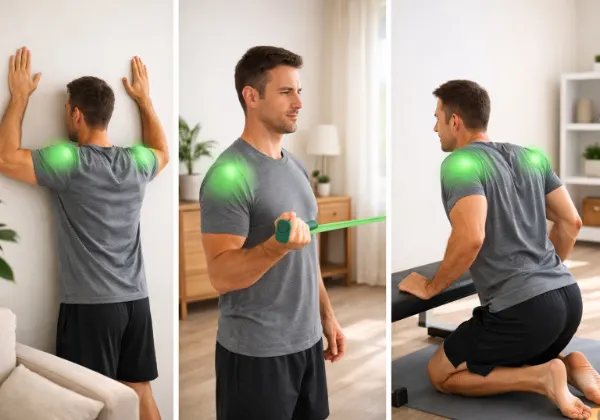
Exercises like scapular retractions and wall slides help improve alignment and reduce impingement.
Strengthen the Rotator Cuff
The rotator cuff stabilizes your shoulder joint.
Gentle exercises like external rotations with resistance bands can improve strength without causing irritation.
Improve Posture
Poor posture narrows the shoulder space.
Simple habits like sitting upright, keeping your shoulders back, and avoiding slouching can reduce pressure on your shoulder.
Use Pain-Free Range of Motion
Never push through sharp pain.
Work within a comfortable range and gradually increase intensity as your shoulder improves.
Sample Shoulder-Friendly Routine
Here is a simple routine you can follow safely:
Start with wall slides to activate your shoulder muscles. Move slowly and stay controlled.
Add resistance band external rotations to strengthen the rotator cuff. Keep your elbow close to your body.
Finish with scapular squeezes to improve posture and stability.
Perform this routine 3 to 4 times per week.
Daily Habits That Speed Up Recovery
Exercise alone is not enough. Your daily habits play a huge role in recovery.
Sleep on your back or use proper pillow support if you sleep on your side. Avoid putting pressure directly on the affected shoulder.
Take breaks from repetitive overhead activities. If your job requires lifting, use proper form and avoid sudden movements.
Apply ice after activity if you feel inflammation. Heat can help relax tight muscles before exercise.
You can also support recovery by applying techniques from Shoulder Bursitis Natural Treatment: 8 Proven Fixes, especially if your pain is linked to inflammation.
When to See a Doctor
Most cases improve with proper care, but some require medical attention.
You should consult a healthcare professional if:
- Pain persists for several weeks
- You experience severe weakness
- Your range of motion continues to decrease
- Pain interferes with daily activities
Early treatment can prevent long-term complications.
Common Mistakes to Avoid
Many people unknowingly slow down their recovery.
They return to heavy workouts too soon. They ignore proper form. They skip warm-ups and mobility work.
Avoid these mistakes and stay consistent with safe exercises.
Frequently Asked Questions
What exercises should I avoid with shoulder impingement?
If you have shoulder pain, it is important to know the key shoulder impingement exercises to avoid. Common ones include behind-the-neck shoulder presses, upright rows, dips, and deep bench presses. These movements reduce space in your shoulder joint and increase tendon irritation. Avoiding them helps prevent further damage and supports faster recovery.
Can I still work out with shoulder impingement?
Yes, you can stay active, but you must avoid risky movements. Focus on safe alternatives instead of the usual shoulder impingement exercises to avoid. Low-impact exercises like resistance band work, scapular stability drills, and controlled range-of-motion movements help maintain strength without worsening your condition.
Why do certain exercises make shoulder impingement worse?
Certain movements compress the rotator cuff tendons inside the shoulder joint. This is why understanding shoulder impingement exercises to avoid is critical. Exercises like upright rows or overhead lifts with poor form narrow the joint space, which increases inflammation and pain.
How long should I avoid exercises with shoulder impingement?
You should avoid harmful movements until your pain decreases and your mobility improves. The timeline varies, but most people need a few weeks of rest and corrective exercise. Continuing shoulder impingement exercises to avoid too early can delay healing and lead to chronic issues.
What are the safest exercises for shoulder impingement recovery?
Instead of focusing only on shoulder impingement exercises to avoid, you should include safe options like wall slides, external rotations, and scapular retractions. These exercises improve shoulder stability, reduce pain, and help restore normal movement patterns without stressing the joint.
Final Thoughts
Understanding shoulder impingement exercises to avoid can make a huge difference in your recovery.
Avoid movements that compress your shoulder joint. Focus on exercises that improve stability, strength, and posture.
Recovery takes time, but with the right approach, you can reduce pain and regain full function.
Your shoulder does not need punishment. It needs smart care.
Sources
Author Bio
Jennifer Collins is a wellness researcher and natural health writer focused on adults over 40. With 3+ years of experience in digital health content, Jennifer specializes in making science-backed nutrition and lifestyle strategies easy to follow and apply.
Health Disclaimer
This content is for informational purposes only and is not intended to diagnose, treat, or cure any disease. Always consult your healthcare provider before making changes to your diet or health routine. This article may include affiliate links, which come at no extra cost to you.