
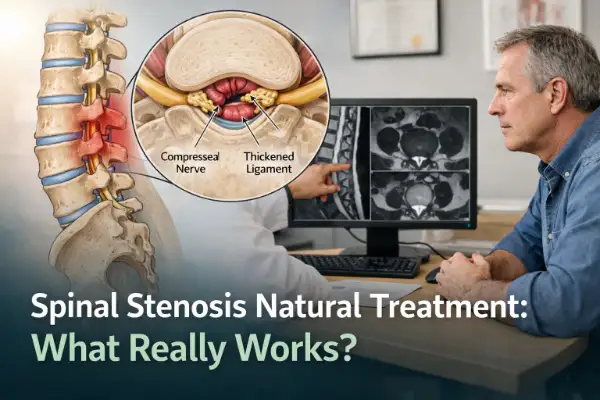
Spinal stenosis can feel like your body has quietly turned against you. One day, you walk comfortably. The next, pain shoots down your legs, your back feels stiff, and even standing too long becomes a challenge. If you are searching for spinal stenosis natural treatment, you are not alone. Millions of people want relief without jumping straight to surgery or heavy medication.
The good news is this: natural approaches can help. The bad news is this: not all “natural remedies” actually work. This article cuts through the noise and focuses only on what science and real-world results support.
Let’s get into what truly helps.
Table of Contents
What Is Spinal Stenosis?
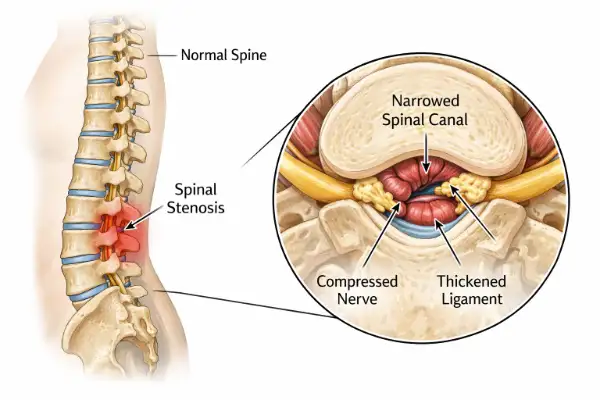
Spinal stenosis occurs when spaces in your spine narrow. This narrowing puts pressure on the spinal cord and nerves. It usually affects the lower back or neck.
Doctors often link it to aging. Over time, discs lose water, joints thicken, and bone spurs can develop. These changes reduce space inside the spine.
Common symptoms include:
- Lower back pain
- Numbness or tingling in legs
- Weakness while walking
- Pain that improves when bending forward
Many people notice relief when they sit or lean forward. That detail matters because it shapes how natural treatments work.
Why Choose Spinal Stenosis Natural Treatment?
Surgery can help severe cases. However, it comes with risks, cost, and recovery time. Many people prefer to try conservative options first.
A well-structured spinal stenosis natural treatment plan can:
- Reduce inflammation
- Improve mobility
- Strengthen supporting muscles
- Delay or avoid surgery
Research from trusted institutions like the National Institute of Arthritis and Musculoskeletal and Skin Diseases shows that conservative care often works well, especially in early to moderate cases.
The Truth About Natural Treatments
Let’s be clear. Natural treatment does not mean instant cure. It means gradual improvement with consistency.
Some methods work because they address the root cause. Others only mask symptoms. The goal is to focus on approaches that improve function, not just comfort.
Exercise: The Most Effective Natural Treatment
If you skip everything else, do not skip this.
Exercise stands as the most reliable spinal stenosis natural treatment. Clinical guidelines consistently recommend it as a first-line option.
Why Exercise Works
Targeted movement helps in three key ways:
- It strengthens muscles that support the spine
- It improves flexibility and posture
- It reduces nerve pressure during movement
Flexion-based exercises work best. These involve bending slightly forward, which opens up spinal spaces.
What Kind of Exercise Helps?
Walking with slight forward lean, cycling, and specific physical therapy routines show strong results.
Core strengthening matters too. Strong abdominal muscles reduce strain on your lower back.
A study published in PubMed highlights that structured physical therapy improves pain and function in people with lumbar spinal stenosis.
Important Tip
Consistency beats intensity. You do not need extreme workouts. You need regular, controlled movement.
Physical Therapy: Guided and Targeted Relief
Many people try random exercises and give up. That approach rarely works.
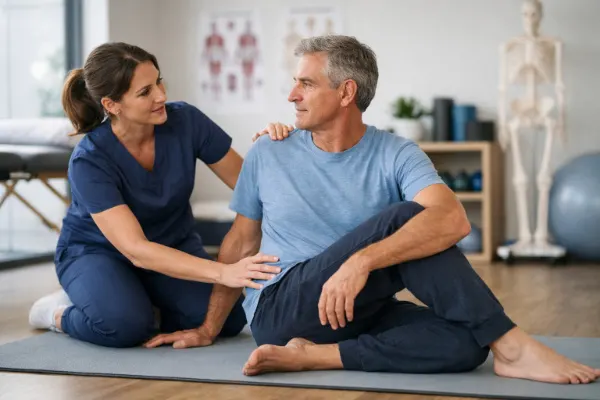
Physical therapy provides a structured version of spinal stenosis natural treatment. A trained therapist designs movements based on your condition.
Therapy often includes:
- Stretching tight muscles
- Strengthening weak areas
- Posture correction
- Manual therapy techniques
This personalized approach improves results and reduces risk.
Posture Correction: Small Changes, Big Impact
Poor posture quietly worsens spinal stenosis.
When you stand upright with excessive arching, you reduce spinal space. That increases nerve compression.
Correct posture slightly flexes the spine. This opens space and reduces pressure.
Practical Adjustments
- Use a chair with lumbar support
- Avoid standing still for long periods
- Lean slightly forward when walking
These changes look simple, but they directly affect symptoms.
If posture during the day matters, your sleep posture matters even more. This detailed guide on Best Sleeping Position for Lower Back and Hip Pain (2026 Guide) explains how the right sleeping position can reduce spinal pressure and improve overnight recovery.
Weight Management: Less Load, Less Pain
Extra body weight increases pressure on your spine.
Even a small weight reduction can improve symptoms. Studies show that lower body weight reduces mechanical stress on spinal structures.
A healthy diet combined with light activity supports long-term improvement.
Anti-Inflammatory Diet: Supporting Healing from Within
Food plays a bigger role than most people think.
Chronic inflammation can worsen nerve irritation. A proper diet supports your spinal stenosis natural treatment plan.
What Helps
- Fruits and vegetables
- Whole grains
- Omega-3 fatty acids
- Nuts and seeds
What to Limit
- Processed foods
- Excess sugar
- Trans fats
The Office of Dietary Supplements notes that nutrients like omega-3s and vitamin D support musculoskeletal health.
Heat and Cold Therapy: Simple but Effective
These methods do not fix the problem, but they help manage symptoms.
Heat Therapy
Heat relaxes muscles and improves blood flow. It works best for stiffness.
Cold Therapy
Cold reduces inflammation and numbs pain. It works well after activity.
Use them wisely. Do not rely on them as your only treatment.
Herbal Supplements: What Science Says
Some supplements show promise, but you need to stay realistic.
Common Options
- Turmeric for inflammation
- Omega-3 fatty acids
- Glucosamine
Research supports anti-inflammatory effects, but results vary between individuals.
Always consult a healthcare provider before starting supplements.
Acupuncture: Evidence-Based Support
Acupuncture may sound alternative, but research supports its role in pain relief.
Studies suggest it can:
- Reduce pain intensity
- Improve function
- Enhance quality of life
It works by stimulating nerves and improving blood flow.
While it does not reverse spinal stenosis, it complements other treatments well.
Chiropractic Care: Use with Caution
Some people find relief with chiropractic adjustments.
However, spinal stenosis requires careful handling. Aggressive manipulation can worsen symptoms.
If you consider this option, choose a practitioner experienced with spinal conditions.
Yoga and Stretching: Gentle but Powerful
Yoga combines movement, flexibility, and breathing.
Certain poses help relieve pressure on spinal nerves. Flexion-based stretches work best.
Avoid extreme backbends or high-impact poses.
A consistent yoga routine supports long-term mobility.
Massage Therapy: Temporary Relief That Matters
Massage does not fix spinal narrowing, but it helps reduce muscle tension.
Tight muscles often worsen symptoms. Relaxing them improves comfort and movement.
Use massage as part of a broader spinal stenosis natural treatment strategy.
Assistive Devices: Smart Support
Using support tools does not mean weakness. It means strategy.
Devices like walkers or canes help maintain a slight forward lean. This reduces nerve pressure.
Many patients report improved walking ability with these tools.
What Does NOT Work Well
Let’s clear some common myths.
Complete Bed Rest
Rest helps during flare-ups, but long-term inactivity weakens muscles. That makes symptoms worse.
Random Internet Exercises
Not all exercises suit spinal stenosis. Some movements increase compression.
Miracle Cures
No herb, oil, or single product can reverse spinal narrowing.
Stay focused on proven methods.
When Natural Treatment May Not Be Enough
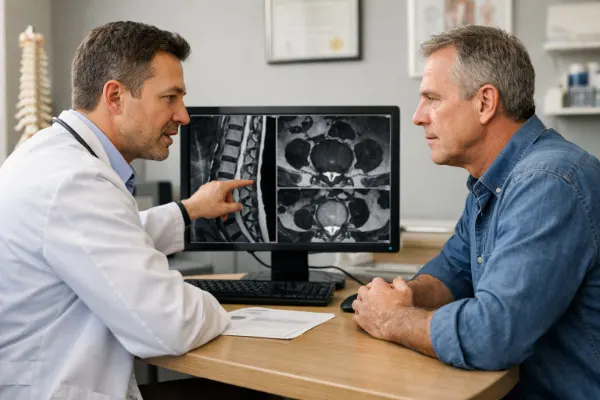
Natural approaches work best in mild to moderate cases.
You should consult a doctor if you experience:
- Severe weakness
- Loss of bladder or bowel control
- Rapid worsening symptoms
In such cases, medical intervention becomes necessary.
Building a Realistic Treatment Plan
A successful spinal stenosis natural treatment plan combines multiple strategies.
Here is a practical structure:
- Daily low-impact exercise
- Weekly physical therapy sessions
- Anti-inflammatory diet
- Posture correction
- Occasional supportive therapies like acupuncture or massage
This combination addresses both symptoms and underlying causes.
Realistic Expectations
Improvement takes time.
Some people notice changes within weeks. Others take months. Progress depends on consistency, severity, and overall health.
The goal is not perfection. The goal is better function and less pain.
Frequently Asked Questions
What is the best spinal stenosis natural treatment?
The best spinal stenosis natural treatment usually includes a combination of targeted exercise, physical therapy, and posture correction. Research shows that flexion-based exercises and core strengthening help reduce nerve pressure and improve mobility. Many people also benefit from an anti-inflammatory diet and weight management. No single method works alone, so combining these approaches delivers better long-term results.
Can spinal stenosis be treated naturally without surgery?
Yes, many people manage symptoms with spinal stenosis natural treatment without surgery, especially in mild to moderate cases. Doctors often recommend conservative care first, including exercise, physical therapy, and lifestyle changes. These methods can reduce pain and improve function, but they do not reverse spinal narrowing. Severe cases may still require medical intervention.
Which exercises help spinal stenosis the most?
The most effective exercises for spinal stenosis natural treatment include flexion-based movements like knee-to-chest stretches, cycling, and walking with a slight forward lean. These exercises open up spinal spaces and reduce nerve compression. Strengthening the core and improving flexibility also play a key role in long-term relief.
How long does spinal stenosis natural treatment take to work?
The results of spinal stenosis natural treatment vary depending on severity and consistency. Some people notice improvement within a few weeks, while others may take several months. Regular exercise, proper posture, and a healthy lifestyle speed up progress. Consistency matters more than intensity when it comes to lasting results.
What should you avoid with spinal stenosis?
When following a spinal stenosis natural treatment plan, you should avoid prolonged standing, high-impact activities, and excessive back extension movements. These can increase pressure on the spinal nerves and worsen symptoms. Instead, focus on low-impact activities and movements that slightly bend the spine forward to reduce discomfort.
Final Thoughts
Spinal stenosis does not mean you have to give up your lifestyle. With the right approach, you can manage symptoms effectively.
The best spinal stenosis natural treatment focuses on movement, strength, and smart daily habits. It avoids shortcuts and builds long-term improvement.
Stay consistent. Stay informed. And most importantly, listen to your body.
Sources
- National Institute of Arthritis and Musculoskeletal and Skin Diseases
- PubMed Study on Physical Therapy for Lumbar Spinal Stenosis
- National Center for Biotechnology Information (NCBI)
- Office of Dietary Supplements (NIH)
Author Bio
Jennifer Collins is a wellness researcher and natural health writer focused on adults over 40. With 3+ years of experience in digital health content, Jennifer specializes in making science-backed nutrition and lifestyle strategies easy to follow and apply.
Health Disclaimer
This content is for informational purposes only and is not intended to diagnose, treat, or cure any disease. Always consult your healthcare provider before making changes to your diet or health routine. This article may include affiliate links, which come at no extra cost to you.