

Back pain and joint discomfort affect millions of people every year. If you sit too long, lift improperly, or simply deal with aging joints, you probably know how frustrating daily pain can feel. The good news is that you do not always need complicated treatments or expensive therapies. One of the most effective and science-backed solutions is simple: swimming for back and joint pain.
Swimming offers a unique combination of gentle movement, resistance, and support. It allows you to stay active without placing stress on sensitive areas. In this guide, you will learn why swimming works, how to do it safely, and how to maximize results without making your pain worse.
Table of Contents
Why Swimming Works for Back and Joint Pain

Swimming stands out because water changes how your body moves. When you step into a pool, your body weight decreases due to buoyancy. This reduces pressure on your spine, hips, knees, and ankles.
On land, gravity constantly compresses your joints. In water, that pressure drops significantly. According to research from the Centers for Disease Control and Prevention, water-based exercise reduces joint stress while still improving strength and flexibility.
Water also provides natural resistance. Every movement you make engages muscles without requiring heavy weights. This creates a balanced workout that strengthens your body while protecting it.
Temperature plays another role. Warm water helps relax tight muscles and improves blood flow. That means less stiffness and better mobility during and after your session.
The Science Behind Low-Impact Exercise
Low-impact exercise focuses on minimizing stress on joints while still delivering results. Swimming fits perfectly into this category.
A study published in the Journal of Physical Therapy Science found that aquatic exercise significantly reduced chronic lower back pain and improved functional ability. Participants reported less discomfort and better movement after consistent sessions.
Another review in the American Journal of Physical Medicine and Rehabilitation showed that water-based therapy improved pain levels in people with arthritis. Researchers highlighted reduced inflammation and increased joint range of motion as key benefits.
These findings confirm that swimming for back and joint pain is not just a trend. It is a proven method supported by clinical research.
Key Benefits of Swimming for Back and Joint Pain
Swimming offers several advantages that make it ideal for people dealing with discomfort.
First, it strengthens core muscles. Your core supports your spine. A stronger core reduces strain on your lower back and improves posture.
Second, it improves flexibility. Water allows smoother, more controlled movements. This helps loosen stiff joints without causing sudden strain.
Third, it enhances circulation. Better blood flow delivers oxygen and nutrients to muscles and tissues. This speeds up recovery and reduces inflammation.
Fourth, it supports weight management. Excess weight increases pressure on joints. Swimming burns calories without high impact, making it easier to stay active even with pain.
Finally, it boosts mental well-being. Chronic pain often leads to stress and frustration. Swimming creates a calming environment that helps reduce anxiety and improve mood.
Best Swimming Styles for Pain Relief
Not all swimming strokes affect your body the same way. Some styles work better than others if you want relief from pain.
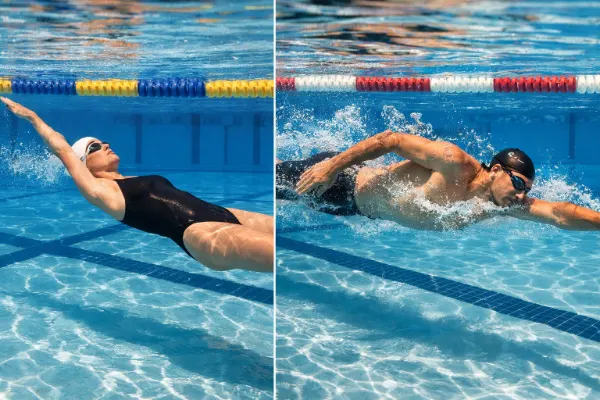
Freestyle remains the most popular option. It promotes gentle rotation of the spine and builds endurance. Keep your movements smooth and avoid overextending your neck.
Backstroke often works best for people with lower back pain. It keeps your spine in a neutral position while reducing strain on the neck and shoulders. Many physical therapists recommend this stroke as a starting point.
Breaststroke can help improve hip flexibility, but you should perform it carefully. The frog kick may stress your knees if you already have joint issues.
Butterfly demands strong coordination and power. It places more strain on the back and shoulders, so beginners or people with pain should avoid it.
How to Start Swimming Safely
Starting a new exercise routine can feel intimidating, especially if you already deal with pain. The key is to begin slowly and focus on proper technique.
Start with short sessions. Ten to fifteen minutes is enough in the beginning. Gradually increase your time as your body adapts.
Warm up before entering the water. Gentle stretches prepare your muscles and reduce the risk of injury.
Use supportive equipment if needed. Kickboards, pool noodles, or flotation belts help maintain proper form and reduce strain.
Focus on breathing. Controlled breathing keeps your movements steady and prevents unnecessary tension.
Listen to your body. Mild soreness can happen, but sharp pain signals a problem. Stop immediately if something feels wrong.
Common Mistakes That Can Worsen Pain
Even though swimming is low impact, poor technique can still cause issues.
Many people lift their heads too high during freestyle. This creates unnecessary strain on the neck and upper back. Keep your head aligned with your spine.
Overtraining is another common mistake. More exercise does not always mean better results. Your body needs time to recover, especially when dealing with pain.
Ignoring proper form can also lead to imbalances. Focus on controlled, balanced movements rather than speed.
Skipping warm-ups and cool-downs increases the risk of stiffness and injury. Always include both in your routine.
Swimming vs Other Low-Impact Exercises
You might wonder how swimming compares to other options like walking, yoga, or cycling.
Walking offers simplicity, but it still places pressure on joints. Yoga improves flexibility, but some poses may strain sensitive areas. Cycling reduces impact, yet it can stress the knees if not adjusted properly.
Swimming combines the benefits of all these activities while minimizing their drawbacks. It strengthens muscles, improves flexibility, and protects joints at the same time.
This makes swimming for back and joint pain one of the most balanced and effective choices available.
If you are exploring other low-impact options alongside swimming for back and joint pain, this detailed guide on inversion therapy can help you decide what works best: Inversion Table for Joint Pain Review 2026: Benefits, Risks & Best Picks.
How Often Should You Swim?
Consistency matters more than intensity.
Most experts recommend swimming two to three times per week for noticeable results. Each session can last between twenty and forty minutes, depending on your fitness level.
If you are just starting, even one session per week can help. Gradually increase frequency as your comfort improves.
Recovery days are important. Your muscles need time to adapt and grow stronger.
Who Should Avoid Swimming?
Swimming works for most people, but certain conditions require caution.
If you have severe injuries, open wounds, or infections, avoid swimming until you recover. People with specific spinal conditions should consult a healthcare professional before starting.
If you experience dizziness or breathing issues in water, stop immediately and seek medical advice.
Always check with a doctor if you are unsure. A quick consultation can prevent bigger problems later.
Tips to Maximize Results
Small changes can make a big difference in your results.
Choose a warm pool when possible. Warmer water relaxes muscles and improves comfort.
Stay hydrated. Even in water, your body loses fluids.
Wear proper swim gear. Goggles and supportive swimwear improve comfort and focus.
Mix different strokes to target various muscle groups.
Track your progress. Noticing improvements keeps you motivated and consistent.
Realistic Expectations
Swimming can significantly reduce pain, but it is not an instant fix. Results take time and consistency.
Many people notice improvements within a few weeks. Reduced stiffness, better mobility, and improved posture often appear first.
Long-term benefits include stronger muscles, better joint health, and fewer pain flare-ups.
Patience matters. Stick with your routine and allow your body to adapt naturally.
The Role of Lifestyle Alongside Swimming
Swimming works best when combined with healthy habits.
Maintain good posture during daily activities. Poor posture can undo the benefits of exercise.
Eat a balanced diet rich in anti-inflammatory foods. Fruits, vegetables, and omega-3 fatty acids support joint health.
Get enough sleep. Recovery plays a key role in pain management.
Manage stress levels. Chronic stress can increase muscle tension and worsen pain.
Frequently Asked Questions
Is swimming good for back and joint pain?
Yes, swimming for back and joint pain is one of the most effective low-impact exercises. Water reduces pressure on joints while allowing you to strengthen muscles and improve flexibility. Many experts recommend swimming because it supports the spine and minimizes strain during movement.
How often should I do swimming for back and joint pain relief?
For best results, aim for swimming for back and joint pain two to three times per week. Start with shorter sessions of 15 to 20 minutes and gradually increase duration as your comfort improves. Consistency matters more than intensity.
Which swimming stroke is best for back and joint pain?
Backstroke is often the best option for swimming for back and joint pain because it keeps the spine in a neutral position. Freestyle also works well if performed with proper form, while breaststroke should be done carefully to avoid knee strain.
Can swimming worsen back or joint pain?
Swimming for back and joint pain is generally safe, but poor technique or overtraining can cause discomfort. Keeping proper form, avoiding excessive strain, and listening to your body helps prevent worsening pain.
How long does it take to see results from swimming for back and joint pain?
Most people notice improvements within a few weeks of consistent swimming for back and joint pain. Early benefits include reduced stiffness and better mobility, while long-term results include stronger muscles and fewer pain flare-ups.
Final Thoughts
Swimming for back and joint pain offers a powerful, natural solution that combines movement, resistance, and relaxation. It allows you to stay active without putting extra strain on your body.
Unlike many workouts, swimming adapts to your needs. Whether you are recovering from pain or trying to prevent it, this low-impact exercise supports long-term health.
Start slow, stay consistent, and focus on proper technique. Over time, you will likely notice less pain, better mobility, and improved overall well-being.
Sometimes the best solutions are the simplest ones. In this case, the answer might just be waiting in your nearest pool.
Sources
Centers for Disease Control and Prevention – Physical Activity and Arthritis
Journal of Physical Therapy Science – Effects of Aquatic Exercise on Low Back Pain
American Journal of Physical Medicine and Rehabilitation – Aquatic Therapy Benefits
Harvard Health Publishing – Exercise and Back Pain
Arthritis Foundation – Water Exercise Benefit
Author Bio
Jennifer Collins is a wellness researcher and natural health writer focused on adults over 40. With 3+ years of experience in digital health content, Jennifer specializes in making science-backed nutrition and lifestyle strategies easy to follow and apply.
Health Disclaimer
This content is for informational purposes only and is not intended to diagnose, treat, or cure any disease. Always consult your healthcare provider before making changes to your diet or health routine. This article may include affiliate links, which come at no extra cost to you.