

Joint pain can quietly take over your daily life. You wake up stiff, your knees feel heavy, and even simple movements become uncomfortable. Many people blame aging or arthritis, but one hidden cause often goes unnoticed: vitamin D deficiency joint pain.
This is not a trendy theory. It is a medically recognized issue backed by real research. If your body lacks enough vitamin D, your bones, muscles, and joints will not function the way they should. Let’s break down the connection in a clear, practical, and evidence-based way.
Table of Contents
What Is Vitamin D and Why Your Body Needs It
Vitamin D acts more like a hormone than a typical vitamin. Your body produces it when your skin gets exposed to sunlight. You can also get small amounts from food like fatty fish, egg yolks, and fortified dairy products.
Your body depends on vitamin D to absorb calcium properly. Without it, calcium simply passes through your system instead of strengthening your bones. Over time, this weakens your skeletal structure and puts pressure on your joints.
Vitamin D also plays a role in reducing inflammation and supporting muscle strength. When levels drop, your body loses these protective benefits. This is where vitamin D deficiency joint pain begins to develop.
If inflammation plays a major role in your symptoms, you may also want to explore how Omega 3 for Joint Inflammation: Best Dosage That Actually Works Fast can help reduce stiffness and improve mobility.
The Real Connection Between Vitamin D Deficiency and Joint Pain
The link between vitamin D deficiency and joint pain is not random. It happens through several biological processes that affect your entire musculoskeletal system.
First, low vitamin D reduces calcium absorption. Your bones start losing density and strength. When bones weaken, joints have to absorb more stress, which leads to discomfort and pain.
Second, vitamin D helps regulate inflammation. When levels are low, inflammatory responses can increase. Chronic inflammation often leads to stiffness, swelling, and persistent joint pain.
Third, vitamin D supports muscle function. Weak muscles fail to stabilize joints properly. This puts extra strain on areas like the knees, hips, and lower back. Over time, this imbalance worsens vitamin D deficiency joint pain.
In severe cases, deficiency can lead to osteomalacia in adults. This condition causes soft bones and deep, aching pain that often feels like joint pain but actually comes from bone weakness.
Symptoms You Should Not Ignore
Vitamin D deficiency does not always show obvious signs at first. Many people live with it for years without realizing the cause of their discomfort.
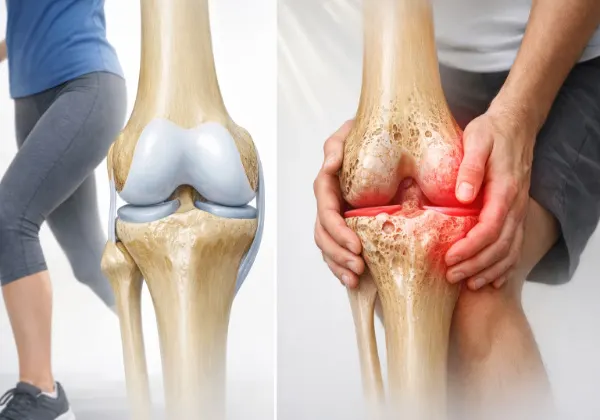
Joint pain linked to vitamin D deficiency often feels dull and persistent. It does not always come with swelling like arthritis. Instead, it shows up as stiffness, especially in the morning or after sitting for long periods.
You may also notice muscle weakness. Climbing stairs feels harder than usual. Carrying groceries becomes tiring. Fatigue is another common symptom. You may feel low on energy even after a full night’s sleep.
Pain in the lower back, hips, and knees is especially common. These areas bear most of your body weight, so they suffer first when vitamin D levels drop.
If you experience these symptoms together, there is a strong chance that vitamin D deficiency joint pain is involved.
Who Is Most at Risk
Vitamin D deficiency can affect anyone, but some people face a higher risk.
People who spend most of their time indoors often do not get enough sunlight. This includes office workers, students, and anyone with a sedentary lifestyle.
Older adults also face a higher risk because their skin becomes less efficient at producing vitamin D. At the same time, their bones become more vulnerable, which increases the chances of joint pain.
People with darker skin tones need more sun exposure to produce the same amount of vitamin D. This makes deficiency more common in certain populations.
Diet also plays a role. If your meals lack vitamin D-rich foods, your levels can drop quickly. Obesity can also contribute because vitamin D gets stored in fat tissue, making it less available for use in the body.
All of these factors increase the likelihood of developing vitamin D deficiency joint pain.
What Research Actually Says
Scientific evidence supports the connection between vitamin D deficiency and joint pain. Studies have shown that low vitamin D levels are linked with increased musculoskeletal pain.
A review published in the Journal of Clinical Endocrinology & Metabolism found that people with low vitamin D levels often report higher levels of chronic pain. Another study in Pain Physician Journal showed that correcting vitamin D deficiency improved pain symptoms in many patients.
Research also highlights a strong link between vitamin D levels and conditions like osteoarthritis and rheumatoid arthritis. While vitamin D does not directly cure these conditions, it can influence inflammation and pain severity.
The takeaway is simple. Low vitamin D does not just affect bones. It plays a broader role in how your body experiences pain, especially joint-related discomfort.
How to Diagnose Vitamin D Deficiency
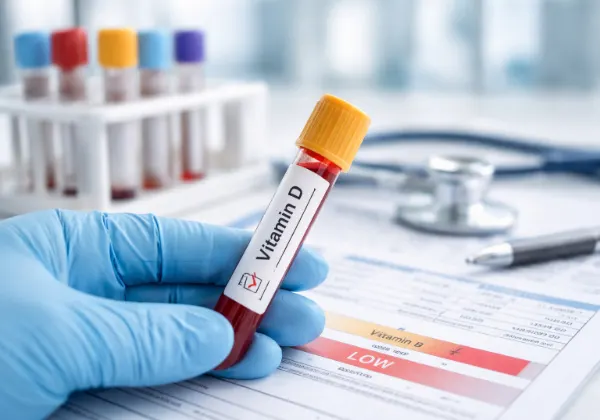
You cannot rely on symptoms alone to confirm vitamin D deficiency. The most accurate way is through a blood test called the 25-hydroxyvitamin D test.
Doctors usually consider levels below 20 ng/mL as deficient. Levels between 20 and 30 ng/mL may be insufficient, while levels above 30 ng/mL are generally considered adequate for most people.
If you suspect vitamin D deficiency joint pain, getting tested is the first step. It removes guesswork and helps you take the right action.
How to Fix Vitamin D Deficiency Joint Pain
The good news is that vitamin D deficiency is manageable. With the right approach, you can reduce joint pain and improve overall health.
Sunlight remains the most natural source. Spending 15 to 30 minutes in the sun several times a week can help your body produce enough vitamin D. The exact time depends on your skin tone, location, and time of day.
Diet also matters. Foods like salmon, mackerel, egg yolks, and fortified milk can support your intake. However, diet alone often does not provide enough vitamin D, especially if you are already deficient.
Supplements are often necessary in such cases. Doctors may recommend vitamin D3 supplements because they are more effective at raising blood levels. The dosage varies depending on how severe the deficiency is, so it is best to follow medical advice.
As your vitamin D levels improve, many people notice a reduction in joint pain, better muscle strength, and increased energy levels.
How Long Does It Take to Feel Better
This is a common question, and the answer depends on how low your levels are.
Some people start noticing improvements in energy and muscle strength within a few weeks. Joint pain may take longer to improve, often between 6 to 12 weeks.
Consistency matters more than speed. If you maintain healthy vitamin D levels, your body gradually restores balance, and symptoms continue to improve.

Can Vitamin D Alone Cure Joint Pain
Vitamin D is not a magic cure for all joint problems. Joint pain can have multiple causes, including arthritis, injuries, and autoimmune conditions.
However, if your pain is linked to vitamin D deficiency, correcting the deficiency can make a significant difference. In many cases, it reduces pain intensity and improves mobility.
Think of vitamin D as a foundational factor. Without it, your body struggles to maintain joint health. With it, your body can function the way it is designed to.
Frequently Asked Questions
Can vitamin D deficiency cause joint pain?
Yes, vitamin D deficiency joint pain is a real and common issue. Low vitamin D levels reduce calcium absorption, weaken bones, and increase inflammation. This combination often leads to stiffness, discomfort, and persistent joint pain, especially in the knees, hips, and lower back.
What does vitamin D deficiency joint pain feel like?
Vitamin D deficiency joint pain usually feels like a dull, deep ache rather than sharp pain. It often comes with stiffness, muscle weakness, and fatigue. Many people notice it more in the morning or after sitting for long periods.
How long does it take to recover from vitamin D deficiency joint pain?
Recovery from vitamin D deficiency joint pain depends on how low your levels are. Some people feel better within a few weeks, but most notice significant improvement in 6 to 12 weeks after correcting their vitamin D levels with sunlight, diet, or supplements.
Which joints are most affected by vitamin D deficiency joint pain?
Vitamin D deficiency joint pain commonly affects weight-bearing joints like the knees, hips, and lower back. However, it can also impact shoulders and smaller joints if the deficiency is severe or long-term.
Can vitamin D supplements help relieve joint pain?
Yes, vitamin D supplements can help reduce vitamin D deficiency joint pain if low levels are the cause. They improve calcium absorption, support muscle strength, and reduce inflammation. It is best to take supplements based on a doctor’s recommendation after a blood test.
Final Thoughts
Ignoring persistent joint pain is never a good idea. While many people focus on external treatments, the root cause often lies within the body. Vitamin D deficiency joint pain is a clear example of this.
If your joints ache without a clear reason, do not overlook your vitamin D levels. A simple test and the right approach can lead to meaningful improvement.
Your body does not ask for much. A bit of sunlight, proper nutrition, and balanced levels of essential nutrients can go a long way. When you give your body what it needs, it responds by reducing pain, improving strength, and restoring comfort.
Sources
- Holick MF. “Vitamin D Deficiency.” New England Journal of Medicine.
- Plotnikoff GA, Quigley JM. “Prevalence of severe hypovitaminosis D in patients with persistent musculoskeletal pain.” Mayo Clinic Proceedings.
- Straube S, et al. “Vitamin D and chronic pain.” Pain Physician Journal.
- National Institutes of Health (NIH) – Vitamin D Fact Sheet
- Harvard T.H. Chan School of Public Health – Vitamin D
Author Bio
Jennifer Collins is a wellness researcher and natural health writer focused on adults over 40. With 3+ years of experience in digital health content, Jennifer specializes in making science-backed nutrition and lifestyle strategies easy to follow and apply.
Health Disclaimer
This content is for informational purposes only and is not intended to diagnose, treat, or cure any disease. Always consult your healthcare provider before making changes to your diet or health routine. This article may include affiliate links, which come at no extra cost to you.