

Joint pain can feel confusing, frustrating, and sometimes scary. Many people struggle to understand whether their symptoms point to lupus or arthritis. Both conditions affect joints, both cause discomfort, and both can impact daily life. Yet they are not the same.
If you have searched for lupus joint pain vs arthritis, you are likely trying to figure out what your body is telling you. This guide will help you understand the key differences using clear facts, medical insights, and practical explanations. No fluff. No guesswork.
Let’s break it down in a simple, human way.
Table of Contents
What Is Lupus and How Does It Affect Joints

Lupus, also known as systemic lupus erythematosus, is an autoimmune disease. This means your immune system mistakenly attacks your own body instead of protecting it.
When lupus affects joints, it causes inflammation. This inflammation leads to pain, stiffness, and swelling. However, lupus does not usually damage joints in the same permanent way that some forms of arthritis do.
People with lupus often experience joint pain that comes and goes. Doctors call this flare-ups. During a flare, symptoms can worsen quickly. Then they may improve or even disappear for a while.
Another important point is that lupus rarely affects just the joints. It often involves other parts of the body such as skin, kidneys, and blood.
If you’re also dealing with sudden joint pain later in life, this guide on Gout And Joint Pain After 50: Causes, Symptoms & Proven Ways to Prevent Attacks Fast explains how gout differs from autoimmune conditions like lupus and arthritis.
What Is Arthritis and How Does It Differ
Arthritis is not a single disease. It is a general term for joint inflammation. There are over 100 types of arthritis, but the most common ones include osteoarthritis and rheumatoid arthritis.
Osteoarthritis happens due to wear and tear over time. It usually affects older adults and involves cartilage breakdown.
Rheumatoid arthritis is also an autoimmune disease, similar to lupus in that sense. But it targets joints more aggressively and can cause long-term damage if untreated.
When comparing lupus joint pain vs arthritis, the biggest difference lies in how the joints are affected over time. Arthritis, especially rheumatoid arthritis, often leads to joint damage. Lupus usually does not.
Key Differences Between Lupus Joint Pain and Arthritis
Understanding the differences can help you recognize patterns in your symptoms.
Lupus joint pain often appears on both sides of the body at the same time. For example, both wrists or both knees may hurt. The pain may shift from one joint to another.
Arthritis, especially osteoarthritis, often affects specific joints that bear weight like knees, hips, or spine. It tends to stay in the same joints rather than moving around.
Morning stiffness can occur in both conditions. However, in rheumatoid arthritis, stiffness often lasts longer than one hour. In lupus, stiffness may be shorter and less intense.
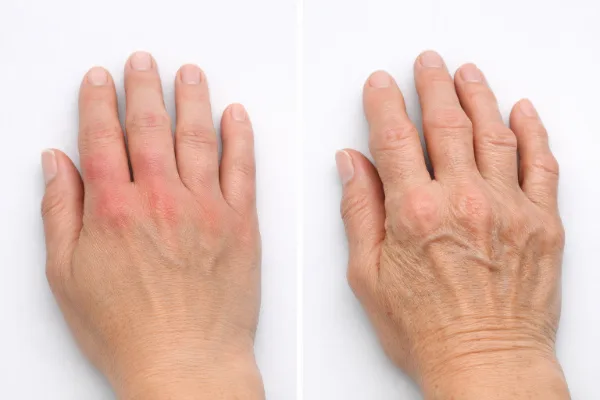
Swelling in lupus is usually mild and does not lead to permanent joint deformity. In contrast, rheumatoid arthritis can cause visible joint changes over time.
Fatigue plays a bigger role in lupus. Many people with lupus feel extreme tiredness even when their joint symptoms are mild.
Symptoms That Point More Toward Lupus
Lupus rarely limits itself to joints. It often shows up in other ways.
A common sign is a butterfly-shaped rash across the cheeks and nose. Sun sensitivity also appears frequently. Some people develop mouth ulcers, hair loss, or unexplained fevers.
Kidney involvement is another serious feature of lupus. This does not happen in typical arthritis cases.
If your joint pain comes with these whole-body symptoms, lupus becomes more likely.
Symptoms That Point More Toward Arthritis
Arthritis tends to stay focused on the joints.
With osteoarthritis, pain usually worsens with activity and improves with rest. You might notice a grinding sensation or reduced flexibility.
Rheumatoid arthritis often causes persistent swelling, warmth, and tenderness in joints. Over time, joints may change shape.
Unlike lupus, arthritis does not usually cause skin rashes or organ problems.
Why Diagnosis Can Be Tricky
Doctors sometimes struggle to distinguish lupus joint pain vs arthritis, especially in early stages.
Both conditions can cause similar symptoms like joint pain, swelling, and stiffness. Blood tests help, but they do not always give clear answers.
For lupus, doctors often look for antibodies such as ANA and anti-dsDNA. For rheumatoid arthritis, they may check rheumatoid factor or anti-CCP antibodies.
Still, no single test can confirm everything. Doctors rely on a combination of symptoms, physical exams, and lab results.
The Role of Inflammation
Inflammation drives both lupus and arthritis, but it behaves differently.
In lupus, inflammation can affect multiple systems at once. It can flare unpredictably.
In arthritis, inflammation usually stays localized in joints, although rheumatoid arthritis can also involve other tissues.
Understanding this difference helps explain why lupus feels more like a full-body illness, while arthritis feels more joint-centered.
Treatment Approaches
Treatment also differs between these conditions.

For lupus, doctors often prescribe medications that calm the immune system. These may include corticosteroids, antimalarial drugs, and immunosuppressants.
For arthritis, treatment depends on the type. Osteoarthritis often involves pain relief, physical therapy, and lifestyle changes. Rheumatoid arthritis may require disease-modifying drugs to prevent joint damage.
Lifestyle changes matter in both cases. Regular exercise, balanced nutrition, and stress management can improve symptoms.
When to See a Doctor
If you experience persistent joint pain, do not ignore it.
You should seek medical advice if pain lasts more than a few weeks, if swelling increases, or if you notice other symptoms like rash, fatigue, or fever.
Early diagnosis can prevent complications. It also helps you start the right treatment sooner.
Living With Either Condition
Living with chronic joint pain is not easy. It requires patience, awareness, and consistent care.
People with lupus often learn to manage flare-ups by identifying triggers such as stress or sun exposure.
Those with arthritis may focus on protecting joints, maintaining mobility, and staying active without overloading the body.
Support matters too. Talking to healthcare providers, joining support groups, and staying informed can make a big difference.
Frequently Asked Questions
What is the main difference between lupus joint pain vs arthritis?
The main difference between lupus joint pain vs arthritis is how the joints are affected. Lupus joint pain usually causes temporary inflammation without permanent damage, while arthritis, especially rheumatoid arthritis, can lead to long-term joint damage and deformity. Lupus also affects multiple organs, whereas arthritis mainly targets the joints.
How can I tell if my joint pain is lupus or arthritis?
To understand lupus joint pain vs arthritis, look at your overall symptoms. Lupus often comes with fatigue, skin rashes, and sensitivity to sunlight along with joint pain. Arthritis usually stays limited to the joints and may cause stiffness, swelling, and reduced mobility without affecting other organs.
Does lupus joint pain feel different from arthritis pain?
Yes, there is a difference in lupus joint pain vs arthritis pain. Lupus joint pain often moves between joints and may come and go in flares. Arthritis pain, especially osteoarthritis, tends to stay in the same joints and worsen with use. Rheumatoid arthritis pain can be more persistent and severe over time.
Can lupus be mistaken for arthritis in early stages?
Yes, lupus joint pain vs arthritis can be hard to distinguish early on because both conditions cause joint stiffness and swelling. Many people are initially misdiagnosed. Doctors usually rely on blood tests, symptom patterns, and medical history to make an accurate diagnosis.
Is treatment different for lupus joint pain vs arthritis?
Treatment for lupus joint pain vs arthritis differs based on the cause. Lupus treatment focuses on controlling the immune system using medications like corticosteroids or immunosuppressants. Arthritis treatment may include pain relievers, physical therapy, and disease-modifying drugs depending on the type of arthritis.
Final Thoughts on Lupus Joint Pain vs Arthritis
Understanding lupus joint pain vs arthritis is not just about labels. It is about knowing how your body works and responding to it wisely.
Lupus tends to affect the whole body, with joint pain as one part of a larger picture. Arthritis mainly targets joints, sometimes causing lasting damage.
If you pay attention to patterns such as symmetry, duration of stiffness, and presence of other symptoms, you can get closer to the right answer.
Still, self-diagnosis is never enough. Always consult a healthcare professional for accurate evaluation.
Your body speaks in signals. The goal is to listen carefully and act early.
Sources
Centers for Disease Control and Prevention
National Institute of Arthritis and Musculoskeletal and Skin Diseases
Author Bio
Jennifer Collins is a wellness researcher and natural health writer focused on adults over 40. With 3+ years of experience in digital health content, Jennifer specializes in making science-backed nutrition and lifestyle strategies easy to follow and apply.
Health Disclaimer
This content is for informational purposes only and is not intended to diagnose, treat, or cure any disease. Always consult your healthcare provider before making changes to your diet or health routine. This article may include affiliate links, which come at no extra cost to you.