
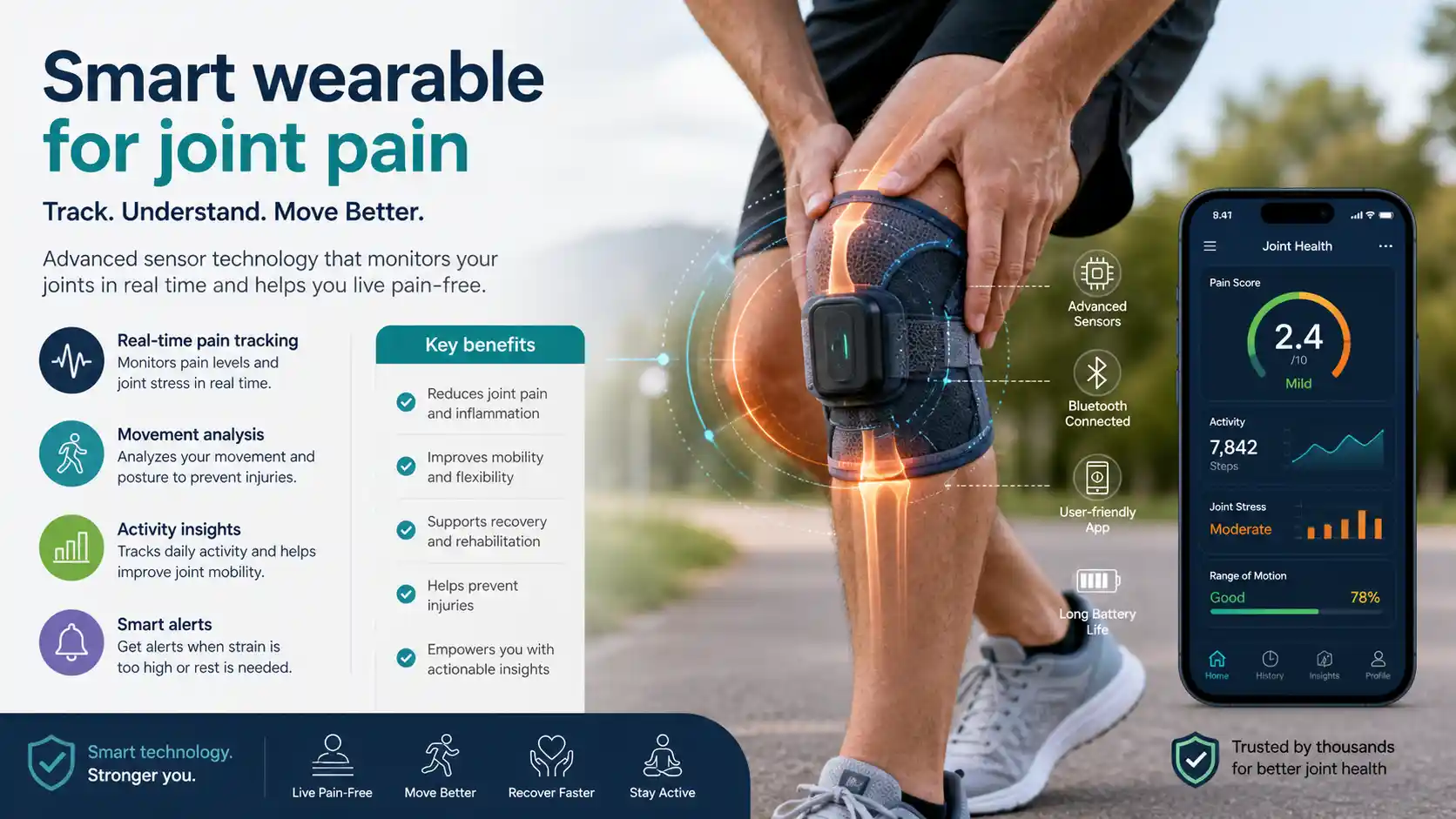
Joint pain affects millions of people across all age groups, from athletes to older adults managing chronic conditions. What has changed in recent years is how people track, understand, and respond to that pain. A smart wearable for joint pain is no longer a futuristic concept. It is a practical tool that blends health monitoring with everyday convenience.
These devices do more than count steps. They measure movement patterns using advanced movement analysis sensors, detect strain, and provide real time feedback that helps users make better decisions about their activity levels. As wearable technology continues to evolve, it is becoming a reliable companion for those seeking better joint health without constant clinical supervision.
This article explores how these devices work, what science says about their effectiveness, and how they are shaping the future of pain management.
Understanding joint pain and why monitoring matters
Joint pain can result from several conditions, including osteoarthritis, injuries, inflammation, or repetitive stress. According to the Centers for Disease Control and Prevention, arthritis alone affects tens of millions of adults and is a leading cause of disability worldwide.
Pain is not always constant. It fluctuates based on movement, posture, activity levels, and even weather conditions. This variability makes it difficult for individuals to identify patterns without consistent monitoring.
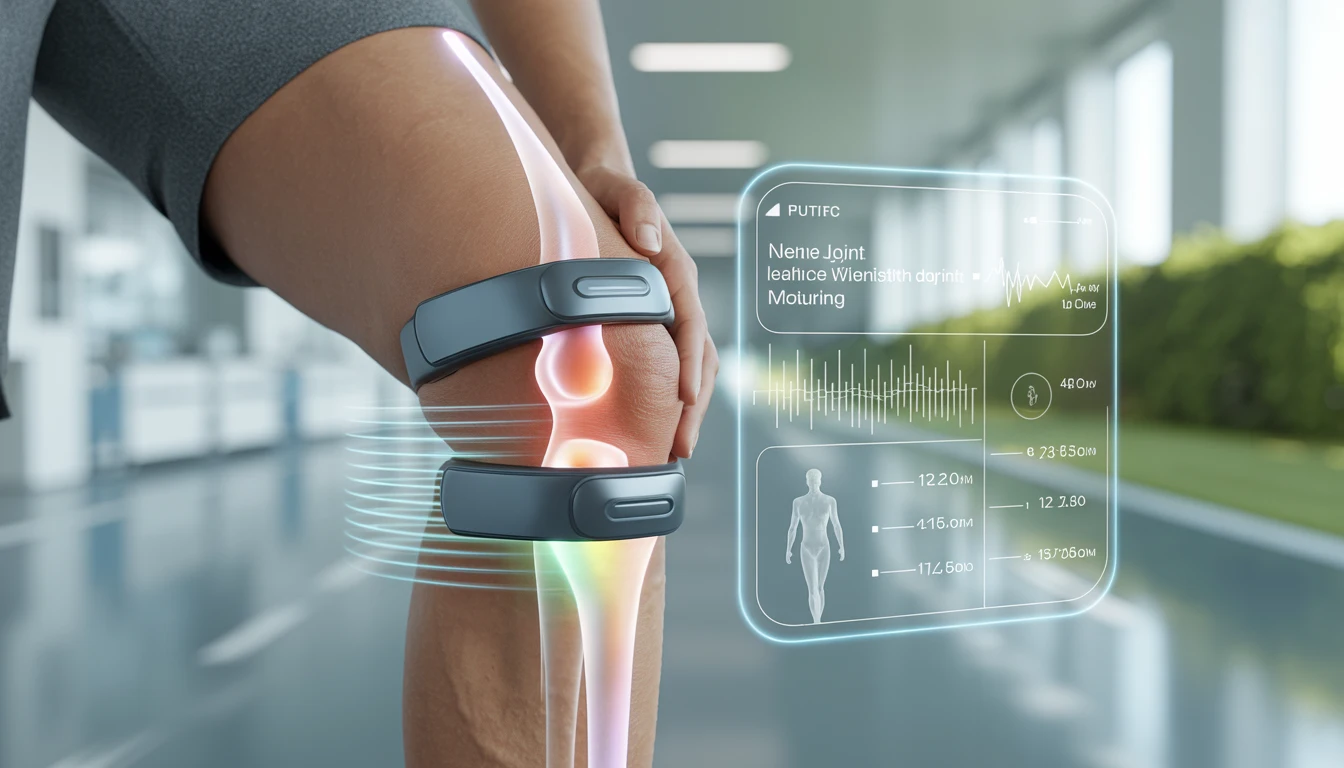
A wearable device for joint pain monitoring helps bridge this gap by collecting continuous data through modern pain tracking technology. Instead of relying on memory or occasional doctor visits, users gain access to detailed insights about how their joints behave throughout the day.
This shift from reactive to proactive care is one of the most important developments in modern healthcare, especially with the rise of smart health monitoring systems.
How smart wearables track joint health
Wearable technology relies on a combination of sensors, algorithms, and data processing. These components work together to provide meaningful insights rather than just raw numbers, forming the backbone of modern digital health devices.
Motion and activity tracking
Most devices use accelerometers and gyroscopes to track movement. These sensors measure range of motion, step count, and joint angles. For someone experiencing knee pain, this data can reveal whether certain activities increase discomfort and improve overall activity tracking for joints.
A smart knee brace with sensors takes this a step further by focusing on a specific joint. It can detect improper alignment, excessive strain, or uneven movement patterns that may lead to injury, using advanced biomechanical tracking techniques.
Muscle activity and strain detection
Some advanced wearables include electromyography sensors that monitor muscle activity. These sensors help identify whether muscles around a joint are overcompensating due to weakness or pain.
This type of information is especially useful in rehabilitation, where balanced muscle engagement is critical and aligns with modern physical therapy technology approaches.
Temperature and inflammation indicators
Certain devices track skin temperature as a proxy for inflammation. While not a direct measure, changes in temperature can signal flare ups, particularly for people using wearable device for chronic joint pain tracking and other forms of musculoskeletal health technology.
Real time feedback and alerts
Modern wearables provide instant feedback through mobile apps powered by health data analytics. If a user is putting too much stress on a joint, the device can suggest rest or adjustment. Over time, these small interventions act as effective injury prevention tools.
Benefits of using a smart wearable for joint pain
Smart wearable for joint pain in everyday life
The real value of wearable technology lies in how it integrates into daily routines. A smart monitoring device for joint pain offers practical benefits that go beyond simple tracking.
Improved self awareness
Users gain a clear understanding of how their movements affect pain levels. This awareness supports better joint health monitoring and helps them avoid harmful patterns.
Early detection of issues
Continuous monitoring allows users to detect subtle changes before they become serious problems. For example, a gradual decrease in mobility may indicate the need for medical attention, especially when using joint mobility tracking tools.
Better communication with healthcare providers
Data collected from a wearable device for joint pain monitoring can be shared with doctors through connected health devices. This information provides a more accurate picture of the patient’s condition compared to occasional checkups.
Support for rehabilitation and recovery
After an injury or surgery, tracking progress is essential. Devices like a smart knee brace with sensors can guide users through safe movement ranges and prevent overexertion, making them highly effective rehabilitation wearables.
Encouragement to stay active
Many people with joint pain avoid physical activity out of fear. Wearables provide reassurance by showing safe limits, encouraging consistent and controlled movement while supporting gait analysis technology improvements.
The science behind wearable health tech for arthritis pain
Research into wearable technology has grown significantly in recent years. Studies from institutions such as the National Institutes of Health highlight the role of digital health tools in improving patient outcomes.
Wearables help track gait patterns, joint stiffness, and activity levels. These metrics are closely linked to arthritis progression. By analysing this data, researchers can identify trends that were previously difficult to measure.
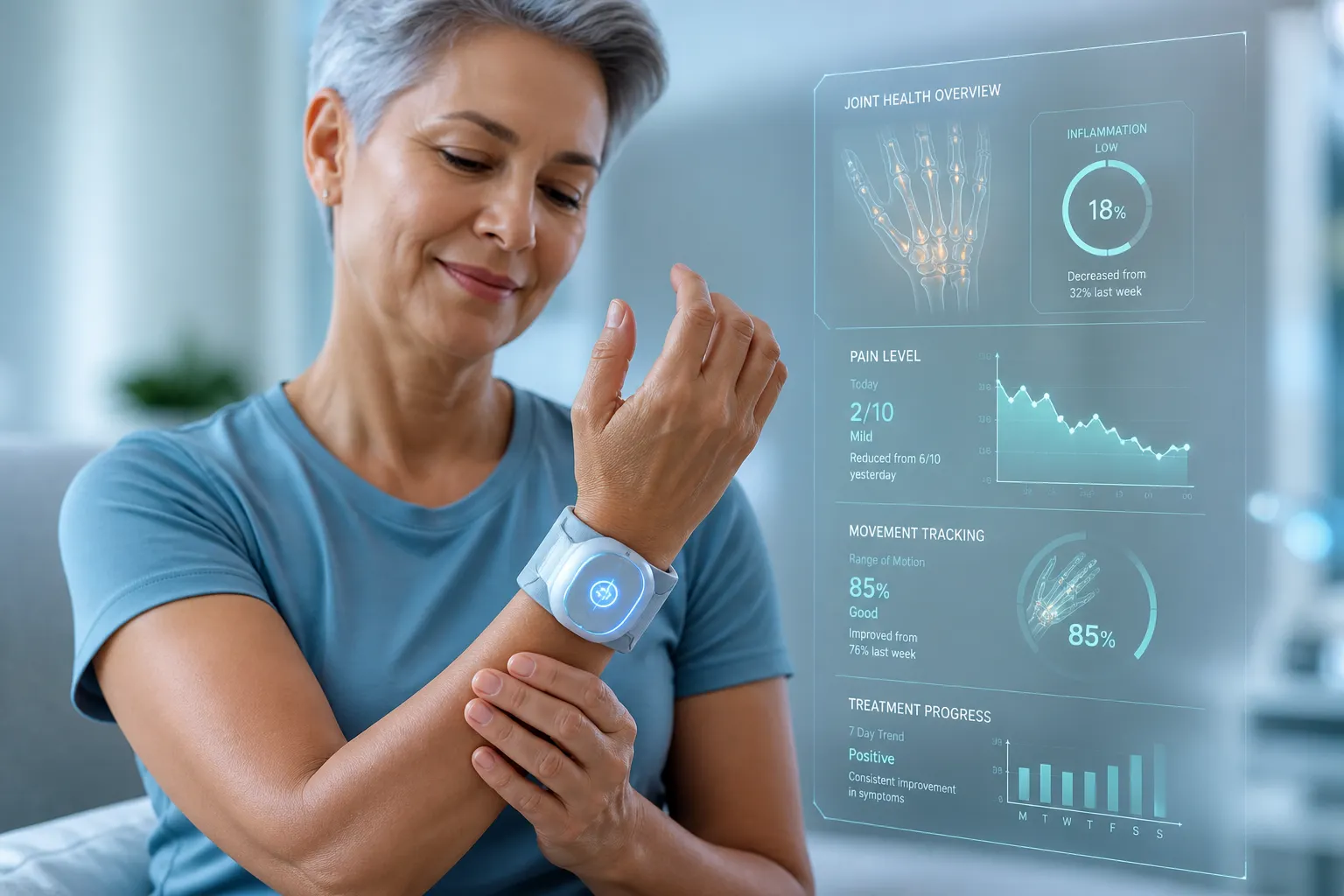
A wearable health tech for arthritis pain also supports behavioural changes. When users receive real time health feedback, they are more likely to adjust their habits. This aligns with findings from the World Health Organization, which emphasises the importance of physical activity in managing musculoskeletal conditions.
These advancements are also strengthening remote patient monitoring, allowing healthcare providers to observe patient progress without frequent in person visits.
Choosing the right wearable device
Not all wearables are created equal. Selecting the right device depends on individual needs, lifestyle, and the specific joint affected.
Consider the type of joint pain
A person with knee issues may benefit from an advanced knee brace with tracking technology, while someone exploring wearable technology for knee pain relief might look for broader solutions.
Look for accurate tracking features
Accuracy is critical. Devices should provide reliable measurements of movement, strain, and activity levels. A well designed smart wearable for joint condition monitoring should also offer clear and easy to understand insights, especially among the best wearable devices for joint mobility tracking available today.
Evaluate comfort and usability
Wearables are meant to be used daily. Comfort plays a major role in long term adoption. Lightweight designs and adjustable fittings are essential.
Integration with mobile apps
A strong mobile interface enhances the overall experience. Users should be able to access their data, track progress, and receive actionable recommendations.
Data privacy and security
Health data is sensitive. Choosing devices that follow established data protection standards ensures user privacy.
Limitations and considerations
While wearable technology offers many benefits, it is important to understand its limitations.
Not a diagnostic tool
Wearables provide insights but cannot diagnose medical conditions. Professional medical advice is still essential.
Data interpretation challenges
Users may find it difficult to interpret complex data without guidance. Clear visualisation and professional consultation can help.
Variability in accuracy
Different devices may produce slightly different results. This variability highlights the importance of choosing high quality products.
Dependence on consistent usage
The effectiveness of a wearable depends on regular use. Inconsistent usage can lead to incomplete data and less reliable insights.
The future of joint pain monitoring
The future of wearable technology looks promising. Advances in artificial intelligence and machine learning are expected to improve data accuracy and predictive capabilities.
Future devices may be able to predict flare ups before they occur, allowing users to take preventive measures. Integration with telemedicine platforms will also enable seamless communication between patients and healthcare providers.
As technology continues to evolve, the role of smart wearables for joint pain will expand, offering more personalised and effective solutions.
Conclusion
Managing joint pain requires a combination of awareness, consistency, and informed decision making. A smart wearable for joint pain provides the tools needed to achieve these goals in a practical and accessible way.
Also Read: Joint Genesis vs Glucosamine: Which Joint Supplement Works Better in 2026?
By offering continuous monitoring, real time feedback, and actionable insights, these devices empower individuals to take control of their joint health. While they are not a replacement for medical care, they serve as a valuable complement that enhances overall well being.
As research and technology continue to advance, wearable solutions will play an increasingly important role in improving quality of life for people dealing with joint discomfort.
Sources and references
Centers for Disease Control and Prevention
National Institutes of Health
World Health Organization
FAQs
How does a wearable device for joint pain monitoring help in daily routines
A joint pain tracking wearable tracks movement patterns throughout the day and highlights activities that may worsen discomfort. It provides personalised insights that help users adjust their posture, walking style, or exercise habits. Over time, this leads to more consistent routines that reduce strain on joints and support long term mobility.
Can a smart knee brace with sensors improve recovery after injury
A smart knee support with sensors guides users by monitoring joint alignment and movement limits during recovery. It ensures that exercises are performed correctly and reduces the risk of re injury. This structured feedback is particularly useful for individuals undergoing physiotherapy or returning to physical activity after surgery.
What makes wearable health tech for arthritis pain different from regular fitness trackers
Smart health wearable for arthritis relief focuses specifically on joint related metrics such as stiffness, range of motion, and inflammation indicators. Unlike general fitness trackers, these devices are designed to address chronic pain conditions and provide insights tailored to managing arthritis symptoms effectively.
Are motion tracking sensors reliable for joint health analysis
Modern motion tracking sensors use advanced algorithms to deliver highly accurate data on joint movement and activity levels. While they may not match clinical equipment, they provide consistent and useful insights for everyday monitoring, especially when used regularly and correctly.
How does gait analysis technology support joint care
Gait analysis technology studies walking patterns to identify imbalances or irregular movements. These insights help users correct posture and reduce uneven pressure on joints. Over time, improved gait can significantly lower the risk of joint deterioration and pain.
Can wearable rehabilitation devices replace physiotherapy sessions
Wearable rehabilitation devices support physiotherapy by reinforcing exercises and tracking progress at home. However, they do not replace professional guidance. Instead, they act as an extension of therapy, helping users stay consistent between sessions.
What role do biosensors play in joint pain management
Biosensors measure physiological signals such as muscle activity and skin temperature. These signals provide indirect insights into inflammation and strain, helping users understand how their body responds to different activities and environments.
Author Bio
Jennifer Collins is a wellness researcher and natural health writer focused on adults over 40. With 3+ years of experience in digital health content, Jennifer specializes in making science-backed nutrition and lifestyle strategies easy to follow and apply.
Health Disclaimer
This content is for informational purposes only and is not intended to diagnose, treat, or cure any disease. Always consult your healthcare provider before making changes to your diet or health