
Shoulder pain has a way of sneaking into daily life. One day you reach for a shelf, and suddenly your arm reminds you that something is not right. If that sounds familiar, you may be dealing with shoulder impingement syndrome. The good news is that many people recover using the right shoulder impingement exercises at home, without needing constant physical therapy visits.
This guide breaks everything down in a simple, practical way. You will learn how shoulder impingement happens, what movements make it worse, and most importantly, how to use shoulder impingement rehab techniques safely and effectively. No fluff, no shortcuts, just real information based on trusted medical guidance.
If your stiffness feels age-related, you may also benefit from this simple daily plan on Improve Shoulder Mobility After 50: 10-Minute Daily Routine That Works.
What Is Shoulder Impingement Syndrome
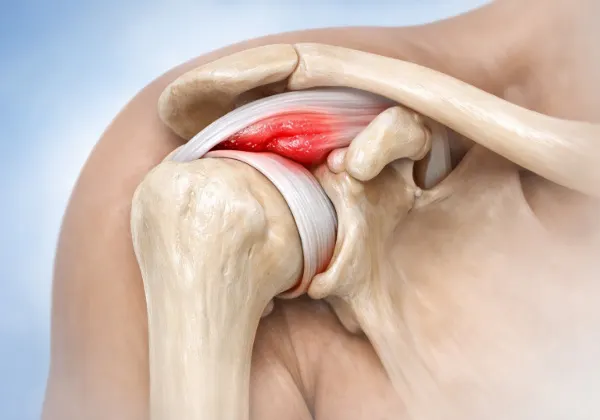
Shoulder impingement syndrome occurs when the tendons of the rotator cuff get compressed during shoulder movement. This compression usually happens in the subacromial space, the narrow area between the top of the shoulder blade and the rotator cuff tendons.
When this space becomes smaller due to inflammation, poor posture, or repetitive overhead movement, the tendons get irritated. That irritation leads to pain, weakness, and reduced mobility.
According to the American Academy of Orthopaedic Surgeons, this condition is one of the most common causes of shoulder pain, especially in people who perform repetitive lifting or overhead activities.
Why Shoulder Impingement Happens
The shoulder joint is extremely mobile. That flexibility allows you to lift, rotate, and reach in all directions. But it also makes the joint vulnerable.
Several factors contribute to impingement syndrome. Poor posture plays a major role. When you slouch, your shoulder blade shifts forward, reducing the space needed for smooth tendon movement. Muscle imbalances also matter. Weak rotator cuff muscles fail to stabilize the joint properly.
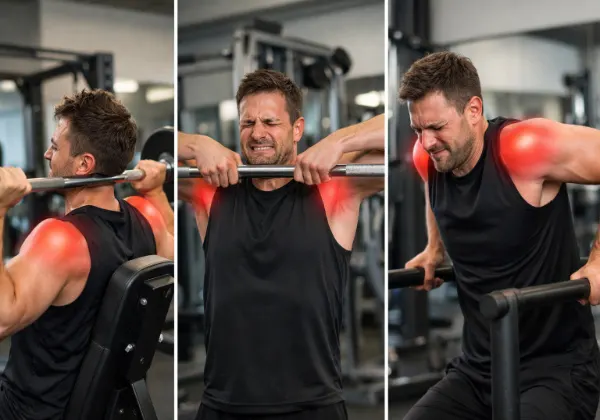
Repetitive overhead activity adds another layer. Sports like swimming, tennis, or even frequent weightlifting can increase the risk. Age-related wear and tear can also contribute, especially after 40.
Signs You Should Not Ignore
Pain usually starts gradually. It often appears when lifting the arm overhead or reaching behind the back. Many people notice discomfort when sleeping on the affected shoulder.
You may also feel weakness while lifting objects. In some cases, the shoulder produces a clicking or catching sensation. Limited range of motion becomes noticeable as the condition worsens.
Ignoring these signs can lead to more serious problems, including rotator cuff tears. That is why early shoulder impingement rehab matters.
Can You Recover Without Physical Therapy
Yes, many people successfully manage shoulder impingement at home. Research from the Journal of Orthopaedic & Sports Physical Therapy shows that structured exercise programs can significantly reduce pain and improve function.
That said, you need the right approach. Random workouts or aggressive stretching can make things worse. A structured plan using proven shoulder impingement exercises is the safest route.
Principles of Safe Shoulder Impingement Rehab
Before jumping into exercises, understand a few basic rules.
Pain should guide you. Mild discomfort is okay, sharp pain is not. If an exercise causes intense pain, stop immediately.
Consistency matters more than intensity. Performing exercises daily with proper form brings better results than occasional heavy workouts.
Focus on control. Slow, controlled movements activate the right muscles and reduce strain.
Posture plays a huge role. Fixing posture alone can reduce symptoms significantly.
Best Shoulder Impingement Exercises for Recovery
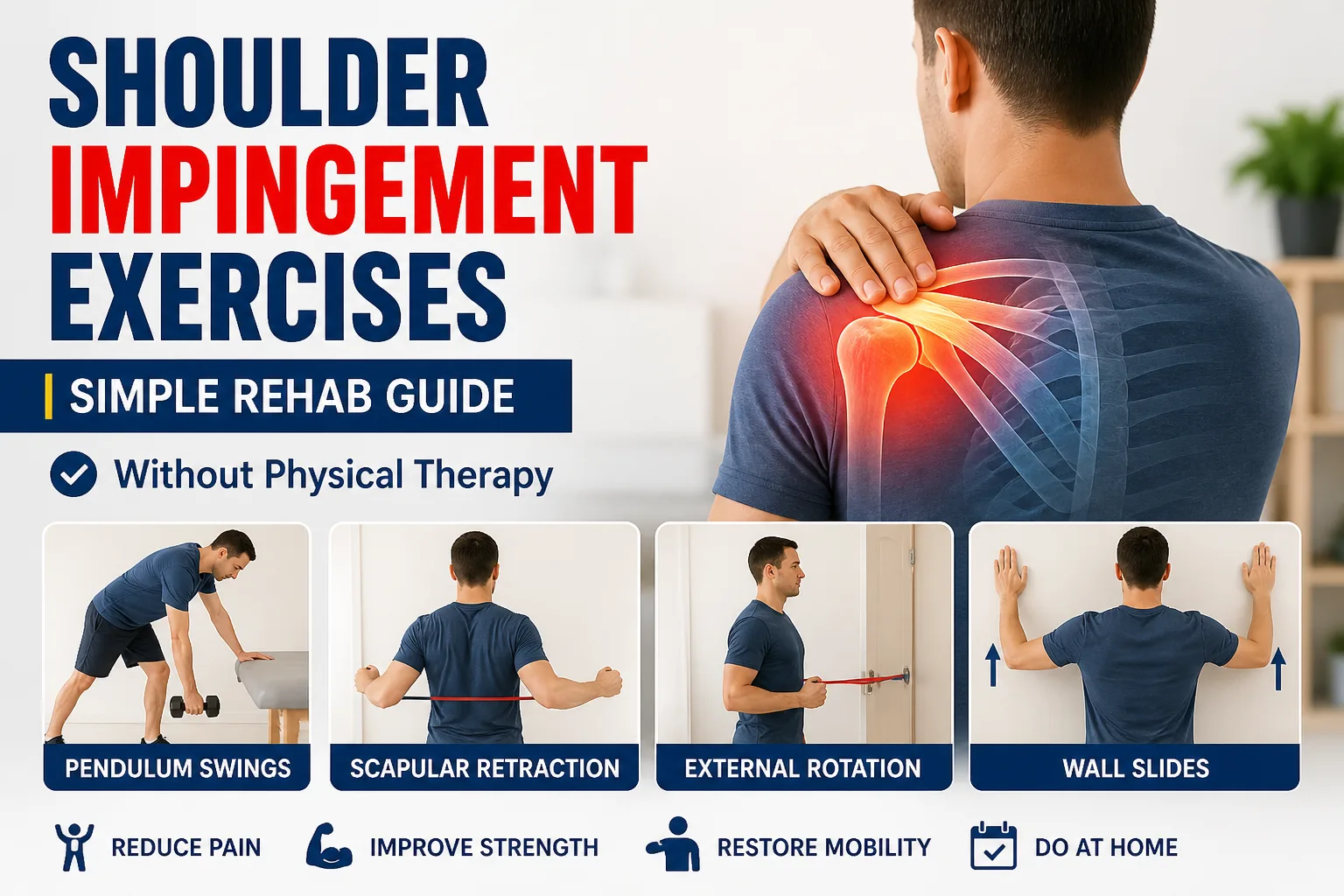
Pendulum Exercise
This is often the starting point in shoulder impingement rehab. It gently mobilizes the joint without adding stress.
Lean forward slightly and let your affected arm hang freely. Move it in small circles using body movement, not shoulder effort. Keep the motion relaxed.
This exercise improves joint lubrication and reduces stiffness.
Scapular Retraction
Strong shoulder blades support proper movement. Weak scapular muscles often contribute to impingement.
Stand or sit upright. Pull your shoulder blades back and down as if you are trying to hold a pencil between them. Hold for a few seconds, then relax.
This simple movement corrects posture and creates more space in the shoulder joint.
External Rotation with Resistance Band

This exercise targets the rotator cuff, which plays a key role in stabilizing the shoulder.
Attach a resistance band at waist height. Keep your elbow close to your body and rotate your forearm outward slowly. Control the movement and return gently.
This is one of the most effective subacromial impingement exercises for improving shoulder stability.
Wall Slides
Wall slides improve mobility while maintaining proper alignment.
Stand with your back against a wall. Place your arms in a goalpost position. Slowly slide your arms upward while keeping contact with the wall.
This movement strengthens the shoulder while encouraging proper posture.
Shoulder Flexion Stretch
Mobility matters just as much as strength.
Raise your arm forward slowly as high as comfortable. You can use your other hand for support if needed. Hold briefly, then return.
This helps restore range of motion without overloading the joint.
Effective Impingement Syndrome Stretches
Stretching tight muscles reduces pressure in the shoulder.
Chest Stretch
Tight chest muscles pull the shoulders forward. That position worsens impingement.
Stand in a doorway and place your arms on the frame. Gently lean forward until you feel a stretch across your chest.
This stretch improves posture and reduces joint compression.
Cross Body Shoulder Stretch
Bring one arm across your chest. Use your other hand to gently pull it closer.
This stretch targets the back of the shoulder and improves flexibility.
Upper Trapezius Stretch
Tilt your head to one side while keeping your shoulders relaxed. Use your hand to apply gentle pressure.
This stretch reduces neck and shoulder tension, which often contributes to impingement.
Weekly Shoulder Impingement Rehab Routine
A simple weekly plan works best for most people.
Perform shoulder impingement exercises five days a week. Combine strengthening and stretching in each session. Keep sessions short, around 15 to 20 minutes.
Start with mobility exercises, then move to strengthening, and finish with stretches. This sequence prepares the joint and reduces injury risk.
Rest days allow recovery and prevent overuse.
Common Mistakes That Slow Recovery
Many people unknowingly delay healing.
One common mistake is pushing through sharp pain. Pain signals a problem, not progress.
Another mistake is skipping posture correction. Even the best exercises will not work if posture remains poor.
Using heavy weights too early can also worsen the condition. Start light and progress gradually.
Inconsistent practice is another issue. Skipping sessions reduces effectiveness.
When to Seek Medical Help
While many cases improve with home care, some require professional evaluation.
If pain persists for more than six weeks, worsens over time, or severely limits movement, consult a healthcare provider.
Sudden weakness or inability to lift the arm may indicate a more serious issue.
Lifestyle Changes That Support Recovery
Exercise alone is not enough.
Improve your workspace setup. Keep your screen at eye level and avoid slouching.
Avoid repetitive overhead movements when possible. Modify activities instead of forcing through pain.
Sleep position matters too. Avoid lying on the affected shoulder and use supportive pillows.
Staying active helps circulation and healing, but avoid movements that trigger pain.
Why These Shoulder Impingement Exercises Work
These exercises target the root causes of impingement.
They strengthen the rotator cuff, improve scapular control, and increase joint space. They also correct posture and reduce inflammation.
Unlike quick fixes, this approach builds long term resilience.
Frequently Asked Questions
What are the best shoulder impingement exercises to start with at home?
The best shoulder impingement exercises for beginners include pendulum swings, scapular retraction, and gentle wall slides. These movements improve mobility and reduce pain without putting stress on the joint. Start slow and focus on proper form to avoid worsening symptoms.
How often should I do shoulder impingement exercises for recovery?
You should perform shoulder impingement exercises about 4 to 5 times per week for the best results. Consistency matters more than intensity. Short daily sessions of 15 to 20 minutes can help improve strength, reduce pain, and restore normal shoulder movement over time.
Can shoulder impingement exercises completely fix shoulder pain?
Yes, shoulder impingement exercises can significantly reduce or even eliminate pain in many cases. They work by strengthening the rotator cuff and improving posture. However, severe cases may still require medical evaluation if symptoms do not improve after several weeks.
Which movements should I avoid during shoulder impingement rehab?
Avoid overhead lifting, heavy weight training, and sudden jerky movements while doing shoulder impingement exercises. These actions can increase inflammation and delay healing. Always stay within a pain-free range and progress gradually.
How long does it take for shoulder impingement exercises to show results?
Most people notice improvement within 2 to 6 weeks of consistent shoulder impingement exercises. Pain reduction and better mobility usually come first, followed by strength gains. Full recovery time depends on severity and how regularly you follow your rehab routine.
Final Thoughts
Shoulder impingement syndrome can feel frustrating, but it is manageable. With the right shoulder impingement exercises, consistent effort, and smart habits, most people regain full function.
You do not need complicated routines or expensive therapy sessions to start improving. What you need is consistency, patience, and proper technique.
Think of your shoulder like a team. When all muscles work together, movement becomes smooth and pain free. When one part fails, everything else struggles. These exercises help restore that balance.
Sources
American Academy of Orthopaedic Surgeons
Journal of Orthopaedic & Sports Physical Therapy
Author Bio
Jennifer Collins is a wellness researcher and natural health writer focused on adults over 40. With 3+ years of experience in digital health content, Jennifer specializes in making science-backed nutrition and lifestyle strategies easy to follow and apply.
Health Disclaimer
This content is for informational purposes only and is not intended to diagnose, treat, or cure any disease. Always consult your healthcare provider before making changes to your diet or health