

The growing interest in personal wellness has brought biohacking into mainstream health conversations. While many people associate biohacking with technology, wearable devices, or advanced supplements, one of the most effective approaches remains surprisingly simple: nutrition. Biohacking joint health through strategic dietary choices allows individuals to support mobility, reduce discomfort, and improve long term joint function using evidence based nutritional principles.
Joints endure constant stress throughout life. Walking, exercising, climbing stairs, lifting objects, and even sitting for prolonged periods can affect cartilage, ligaments, tendons, and surrounding tissues. Age related changes, inactivity, obesity, injuries, and chronic inflammation can accelerate joint deterioration. Fortunately, dietary interventions can play a meaningful role in maintaining joint integrity and supporting healthy movement.
Scientific research increasingly shows that food influences inflammatory pathways, oxidative stress, collagen production, bone density, and tissue repair. Rather than focusing solely on symptom management, dietary biohacking seeks to optimize the body’s natural processes. By emphasizing nutrient dense foods and minimizing inflammatory dietary patterns, individuals can create an internal environment that supports healthier joints for years to come.
Understanding how nutrition affects joint function
Joints are complex structures composed of cartilage, synovial fluid, ligaments, tendons, bones, and connective tissues. These components require a steady supply of nutrients to maintain strength and flexibility. When nutritional deficiencies occur, tissue repair may slow, inflammatory responses may increase, and mobility may gradually decline.
Inflammation represents one of the most significant factors affecting joint comfort. Acute inflammation helps the body heal after injury, but chronic low grade inflammation can contribute to cartilage breakdown and tissue damage over time. Researchers have identified strong links between dietary habits and inflammatory markers throughout the body.
Oxidative stress also plays an important role. Free radicals generated through metabolism, environmental exposures, and unhealthy lifestyle habits can damage cells and connective tissues. Antioxidant rich foods help neutralize these compounds and support healthier aging.
A well designed nutritional approach addresses both inflammation and oxidative stress while providing essential vitamins, minerals, proteins, and healthy fats needed for tissue maintenance and repair.
The role of an anti-inflammatory diet in long term mobility
An anti-inflammatory diet focuses on foods that help regulate inflammatory responses while supplying nutrients essential for joint preservation. Unlike restrictive fad diets, this approach emphasizes overall dietary quality and consistency.
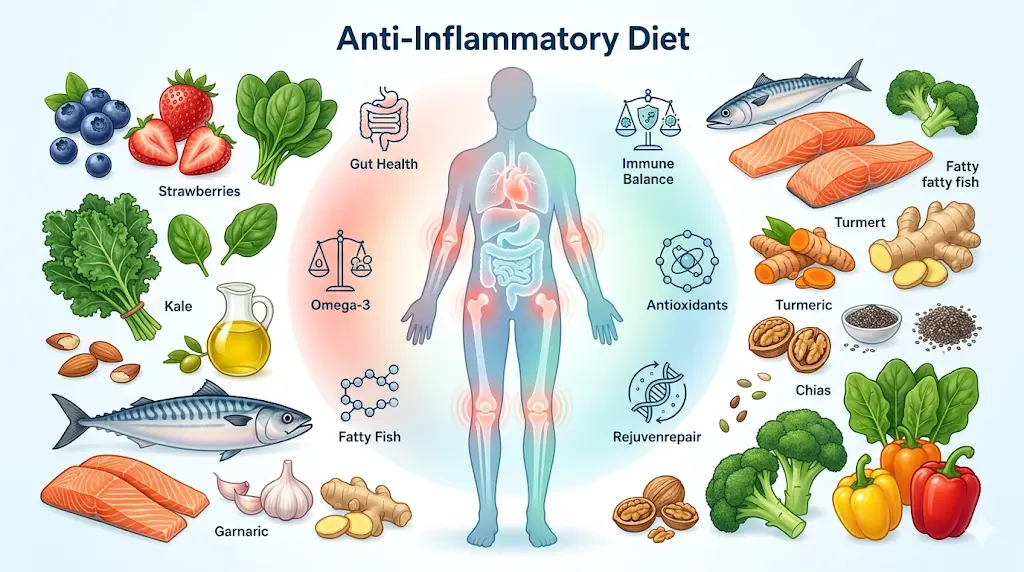
Research consistently supports dietary patterns rich in vegetables, fruits, legumes, nuts, seeds, whole grains, and healthy fats. These foods provide antioxidants, polyphenols, vitamins, and minerals that contribute to healthy tissue function. Fatty fish such as salmon, sardines, and mackerel supply omega 3 fatty acids that may help regulate inflammatory pathways.
The inflammation-fighting diet also encourages limiting highly processed foods, excessive added sugars, refined carbohydrates, and trans fats. These dietary components may contribute to inflammation and metabolic dysfunction when consumed frequently.
Importantly, dietary improvements do not produce overnight results. Joint tissues require time to respond to nutritional changes. Many individuals experience gradual improvements in comfort, flexibility, and overall movement quality when they consistently maintain an inflammation-lowering diet over several months.
Key nutrients that support healthy joints
Several nutrients have demonstrated particular importance for connective tissue health and mobility.
Omega 3 fatty acids
Omega 3 fats contribute to the production of compounds involved in inflammation regulation. Regular consumption of fatty fish may support joint comfort and overall health. Plant based sources include flaxseeds, chia seeds, and walnuts.
Vitamin C
Vitamin C plays a crucial role in collagen synthesis. Collagen forms a major structural component of cartilage, ligaments, and tendons. Citrus fruits, strawberries, bell peppers, broccoli, and kiwi provide excellent sources.
Vitamin D
Vitamin D supports bone health and immune function. Insufficient vitamin D levels have been associated with musculoskeletal discomfort and reduced physical performance. Sunlight exposure and certain foods contribute to maintaining healthy levels.
Magnesium
Magnesium participates in hundreds of biochemical reactions, including muscle function and energy production. Leafy greens, legumes, nuts, seeds, and whole grains supply this important mineral.
Protein
Protein provides amino acids necessary for tissue repair and maintenance. Adequate intake becomes increasingly important with age. Lean meats, fish, dairy products, legumes, tofu, and eggs can contribute to daily protein needs.
Foods for joint health that deserve a place on your plate
Among the many dietary choices available, some stand out as exceptional foods for joint health due to their nutrient density and research supported benefits.
Fatty fish provide omega 3 fatty acids and high quality protein. Berries offer anthocyanins and other antioxidants that help combat oxidative stress. Leafy greens deliver vitamins, minerals, and plant compounds associated with healthy aging.
Extra virgin olive oil contains polyphenols and monounsaturated fats that align with anti inflammatory dietary patterns. Nuts and seeds contribute healthy fats, minerals, and plant proteins. Legumes provide fiber and protein while supporting metabolic health.
Colorful vegetables such as carrots, sweet potatoes, peppers, and tomatoes supply a broad range of antioxidants. Whole grains contribute fiber that supports gut health, which researchers increasingly recognize as a factor influencing inflammation.
Incorporating diverse foods for healthy joints throughout the week ensures broader nutrient coverage and reduces reliance on any single food source.
Biohacking joint health through gut microbiome optimization
One of the most exciting developments in nutrition science involves the relationship between gut health and systemic inflammation. The trillions of microorganisms living within the digestive tract influence immune function, nutrient absorption, and inflammatory responses.
Emerging evidence suggests that dietary patterns supporting microbial diversity may contribute to healthier inflammatory regulation. Fiber rich foods serve as fuel for beneficial gut bacteria. Fermented foods such as yogurt, kefir, sauerkraut, and kimchi provide microorganisms that may support digestive health.
This connection highlights another dimension of biohacking joint health. Rather than viewing joints as isolated structures, researchers increasingly recognize the importance of whole body systems. Supporting gut health through dietary choices may indirectly influence joint wellness and overall mobility.
A diet rich in plant diversity appears particularly beneficial. Consuming a wide variety of fruits, vegetables, legumes, nuts, seeds, and whole grains introduces different fibers and bioactive compounds that nourish beneficial microbes.
How to reduce joint inflammation naturally with nutrition
Many people seek practical ways to reduce joint inflammation without relying solely on medications. While diet cannot replace medical treatment when necessary, nutritional strategies can complement professional care.
Reducing added sugar intake often represents an effective starting point. Excessive sugar consumption may contribute to inflammatory activity and metabolic dysfunction. Replacing sugary beverages with water, herbal teas, or sparkling water can significantly reduce overall sugar intake.
Maintaining a healthy body weight also supports joint function. Excess body weight increases mechanical stress on weight bearing joints while promoting inflammatory processes. Nutrient dense eating patterns can assist with sustainable weight management.

Increasing intake of antioxidant rich foods further helps relieve joint inflammation. Fruits, vegetables, herbs, spices, nuts, and seeds provide compounds that help combat oxidative stress and support healthy cellular function.
Consistency matters more than perfection. Long term dietary habits generally exert greater influence than occasional healthy meals or short term nutrition trends.
The truth about joint health supplements
Interest in joint health supplements continues to grow as consumers search for additional ways to support mobility. While supplements may provide benefits in certain situations, they should complement rather than replace a nutrient rich diet.
Research has examined ingredients such as glucosamine, chondroitin sulfate, collagen peptides, omega 3 fatty acids, and turmeric derived compounds. Results vary depending on the supplement, dosage, individual health status, and study design.
For some individuals, joint health supplements may help fill nutritional gaps or provide targeted support. However, supplement quality can vary significantly between products. Consulting qualified healthcare professionals remains important before beginning supplementation, particularly for individuals taking medications or managing chronic conditions.
Whole foods continue to offer advantages that supplements cannot fully replicate. Foods provide complex combinations of nutrients, fiber, and bioactive compounds that work together in ways researchers are still exploring.
Common dietary habits that may harm joint health
Just as certain foods support mobility, others may contribute to inflammatory processes and metabolic challenges.
Highly processed foods often contain refined carbohydrates, excessive sodium, unhealthy fats, and added sugars. Frequent consumption may promote inflammation and weight gain. Sugar sweetened beverages provide calories with minimal nutritional value and can contribute to metabolic dysfunction.
Excessive alcohol consumption may negatively affect recovery, nutrient absorption, and overall health. Very low nutrient diets can also create deficiencies that impair tissue repair and maintenance.
Many people focus exclusively on adding healthy foods while overlooking the importance of reducing problematic dietary habits. A balanced approach typically produces the most sustainable results.
Building a sustainable daily eating plan
Long term success depends on creating habits that fit real life. Extreme dietary restrictions rarely remain sustainable and may reduce adherence over time.
A practical daily approach could include vegetables at most meals, regular servings of fruit, lean protein sources, healthy fats, whole grains, legumes, and adequate hydration. Meal planning can help maintain consistency during busy periods.
Breakfast might feature oats, berries, and nuts. Lunch could include a vegetable rich salad with legumes or fish. Dinner may center around lean protein, colorful vegetables, and whole grains. Snacks can include fruit, yogurt, or nuts.
Regular consumption of cartilage-supporting foods supports nutritional consistency without requiring complicated meal plans. Combining these foods with an inflammation-friendly diet pattern creates a strong foundation for long term mobility.
Lifestyle factors that amplify dietary benefits
Nutrition works best when combined with other healthy lifestyle practices. Physical activity helps maintain muscle strength, joint stability, flexibility, and circulation. Low impact exercises such as walking, swimming, cycling, and resistance training can support long term mobility.
Sleep also plays a vital role in recovery and inflammation regulation. Chronic sleep deprivation may increase inflammatory markers and impair tissue repair processes.
Stress management deserves attention as well. Prolonged stress can influence immune function and inflammatory responses. Techniques such as mindfulness, breathing exercises, social connection, and regular physical activity may support overall wellness.
When combined with nutritious eating patterns, these lifestyle factors create a comprehensive approach to supporting healthy movement throughout life.
Conclusion
The science behind biohacking joint health increasingly points toward nutrition as one of the most accessible and effective tools for supporting mobility and resilience. Dietary choices influence inflammation, oxidative stress, tissue repair, bone health, and overall physical function. By emphasizing nutrient dense whole foods, following an inflammation-reducing diet, consuming more connective tissue-supporting foods, and using joint health supplements thoughtfully when appropriate, individuals can take meaningful steps toward maintaining healthier joints. Consistent efforts to decrease inflammatory response in joints through sustainable nutrition and lifestyle habits may provide lasting benefits that extend well beyond the joints themselves, supporting overall health and quality of life.
Sources and section mapping
National Institutes of Health (NIH)
National Center for Biotechnology Information (NCBI)
Harvard T.H. Chan School of Public Health
Centers for Disease Control and Prevention (CDC)
MedlinePlus
World Health Organization (WHO)
FAQs
Can fermented foods support connective tissue wellness?
Fermented foods may contribute indirectly to connective tissue wellness by supporting gut microbiome diversity and digestive health. A healthier gut environment can influence immune regulation, nutrient absorption, and inflammatory balance throughout the body. Foods such as yogurt, kefir, kimchi, sauerkraut, and other fermented products contain beneficial microorganisms that may help maintain a balanced microbial ecosystem. While fermented foods do not directly rebuild connective tissues, they can support the biological processes involved in recovery and overall wellness. When combined with an anti-inflammatory diet, they may help create conditions that support long term musculoskeletal function and mobility.
Which antioxidant rich foods provide the broadest nutritional coverage?
Combining berries, leafy greens, colorful vegetables, nuts, seeds, legumes, and herbs creates a diverse antioxidant profile that supports overall health. Different plant compounds perform unique functions within the body, helping protect cells from oxidative damage and environmental stressors. For example, berries provide anthocyanins, leafy greens supply carotenoids, and nuts contribute vitamin E and other protective nutrients. Because no single food contains every beneficial compound, dietary variety generally offers greater advantages than relying on one so called superfood. Many of these choices are recognized as excellent foods for joint health because they provide nutrients that support long term mobility and wellness.
Why is collagen synthesis important for mobility?
Collagen synthesis is important because collagen serves as one of the primary structural proteins in the body. It is found in cartilage, tendons, ligaments, skin, and other connective tissues that support movement and stability. Healthy collagen production helps maintain tissue strength, flexibility, and resilience under physical stress. Nutrients such as vitamin C, protein, copper, and zinc play essential roles in the body’s natural collagen production processes. Although collagen production naturally declines with age, maintaining a nutrient dense diet can help support normal collagen formation and contribute to better mobility and physical function over time.
How does gut health influence inflammatory balance?
The gut microbiome communicates with the immune system through multiple biological pathways that affect overall health. Trillions of microorganisms living in the digestive tract help regulate immune responses, support nutrient absorption, and influence inflammatory activity throughout the body. A diverse and balanced microbial environment is generally associated with healthier immune function and better regulation of inflammation. Fiber rich foods, fruits, vegetables, legumes, and fermented foods can help support beneficial bacteria. While gut health is only one factor affecting inflammation, maintaining a healthy microbiome may help the body naturally reduce joint inflammation as part of a broader wellness strategy.
Are omega 3 fatty acids better from food or supplements?
Whole food sources generally provide omega 3 fatty acids alongside protein, vitamins, minerals, and other beneficial nutrients. Fatty fish such as salmon, sardines, and mackerel are among the richest dietary sources and offer nutritional advantages beyond their omega 3 content. Supplements may help individuals who struggle to consume enough omega 3 rich foods or who have specific dietary restrictions. However, whole foods often provide broader nutritional benefits because they contain naturally occurring compounds that work together within the body. Certain joint health supplements may also contain omega 3 fatty acids, but their suitability depends on individual needs and professional guidance.
What role do polyphenols play in healthy aging?
Polyphenols are naturally occurring plant compounds found in fruits, vegetables, tea, herbs, spices, cocoa, and olive oil. Researchers have studied these compounds extensively because they may help protect cells from oxidative stress and support healthy inflammatory regulation. Polyphenol rich foods are often associated with dietary patterns linked to better long term health outcomes. Although no single nutrient can prevent age related changes, consuming a variety of polyphenol containing foods may contribute to cellular protection and overall wellness. Including these foods regularly as part of a balanced diet can support healthy aging and long term physical resilience.
Why is dietary consistency more important than short term nutrition trends?
Joint tissues, muscles, bones, and connective structures adapt gradually to nutritional habits over time. Sustainable eating patterns maintained for months and years generally provide greater benefits than short term nutrition trends that are difficult to follow consistently. Temporary diets may produce brief results, but they often fail to provide lasting support for overall health and mobility. Consistent intake of nutrient dense foods helps ensure a steady supply of vitamins, minerals, protein, healthy fats, and other essential nutrients needed for maintenance and recovery. Long term dietary consistency creates a stronger foundation for wellness than frequent shifts between restrictive eating plans.
Author Bio
Jennifer Collins is a wellness researcher and natural health writer focused on adults over 40. With 3+ years of experience in digital health content, Jennifer specializes in making science-backed nutrition and lifestyle strategies easy to follow and apply.
Health Disclaimer
This content is for informational purposes only and is not intended to diagnose, treat, or cure any disease. Always consult your healthcare provider before making changes to your diet or health