


Dr. Preet Pal SB, MD
Physician specializing in diabetes, metabolic health, and joint care management. Read More About Dr. Preet Pal’s Medical Credentials & Editorial Integrity Here
Stiff hips can sneak up on you. One day you move freely, and the next day getting out of a chair feels like a mini workout. The good news is that you can improve flexibility and reduce discomfort with simple daily habits. If you’re looking for the best hip stretches for seniors, this guide will walk you through safe, effective options that actually make a difference.
You don’t need a gym membership or complicated routines. You just need a few minutes, a bit of consistency, and the right approach.
Warm-Up and Synovial Fluid Mobilization
Perform 3–5 minutes of gentle, non-weight-bearing dynamic movements (such as seated leg swings) to circulate synovial fluid and lubricate the ball-and-socket joint before static holding.
Target Key Muscle Groups (Flexors, Piriformis, Glutes)
Focus on low-impact, supported stretches—such as the Seated Chair Figure-4 and Supported Standing Hip Flexor Stretch. Hold each stretch gently for 20–30 seconds without bouncing.
Stay Within Safe Mechanical Range
Maintain deep, rhythmic diaphragmatic breathing. Never push into sharp joint pain or pinch sensations; stretching should feel like a mild, comfortable muscle tension only.
Table of Contents
Why Hip Flexibility Matters More as You Age
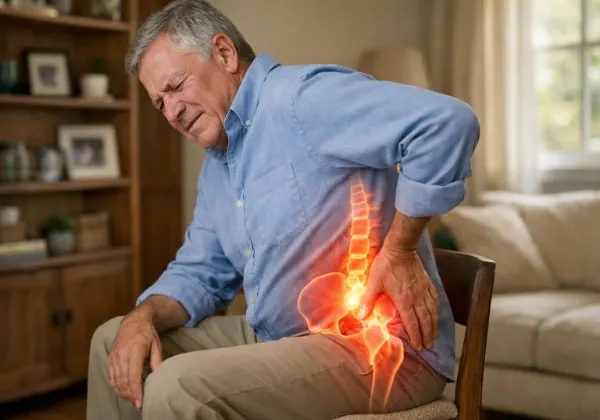
Your hips support almost every movement you make. They help you walk, sit, bend, and even maintain balance. As you age, your muscles lose elasticity and your joints become less lubricated. This natural process leads to stiffness, reduced mobility, and sometimes pain.
When your hips become tight, your body starts to compensate. This often leads to strain in your lower back and knees. Over time, this imbalance can increase your risk of falls, which is one of the biggest concerns for older adults.
According to the National Institute on Aging, regular stretching and movement can help maintain mobility and improve overall quality of life. Staying flexible is not just about comfort. It is about independence.
In some cases, tight hips can even cause sharp pain that radiates down the leg, which is covered in this article on Agonizing Hip Pain Radiating Down Leg to Knee After 40: Guaranteed Fix.
While daily flexibility exercises help lengthen tight hip flexors and piriformis muscles, addressing systemic inflammation from the inside out is equally crucial for lasting relief. Pairing targeted physical movement with clinical-grade best hip pain supplements provides the structural building blocks and omega-3s needed to soothe irritated joint tissue.
Stretching Smart: A Safer Way to Start
Before you begin any routine, take a moment to prepare your body. A short warm-up, such as walking around your home for a few minutes, can make a big difference. Warm muscles respond better and reduce the risk of injury.
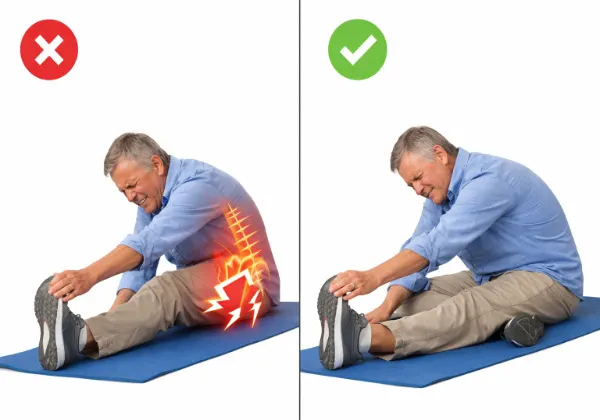
Move slowly and stay in control of every motion. Avoid bouncing or forcing your body into a position. Stretching should feel gentle and slightly challenging, but never painful. If something feels sharp or uncomfortable, stop immediately.
Breathing plays a bigger role than most people realize. When you breathe normally, your muscles relax more easily, allowing you to stretch deeper without strain.
10 Best Hip Stretches for Seniors
Let’s go through the best hip stretches for seniors, explained in a simple and practical way so you can follow along easily.
1. Seated Hip March
This is one of the easiest ways to wake up your hip muscles. Sit comfortably in a chair with your back straight. Slowly lift one knee toward your chest, then lower it back down. Repeat the movement with the other leg.
This stretch improves circulation and gently activates the hip joint. It also helps if you spend long hours sitting, which is something many seniors experience daily.
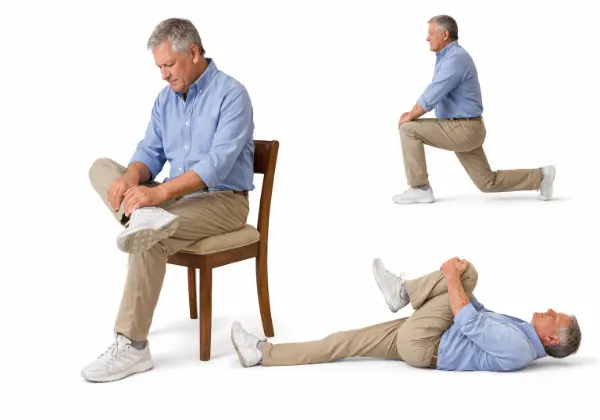
2. Standing Hip Flexor Stretch
Tight hip flexors are very common, especially if you sit frequently. Stand behind a chair and hold it for support. Step one foot back and bend your front knee slightly. You should feel a stretch in the front of your back hip.
This movement helps open up your hips and improves posture. Over time, it can even reduce lower back discomfort caused by tight muscles.
3. Seated Figure-4 Stretch
Sit on a sturdy chair and place one ankle over the opposite knee. Keep your back straight and gently lean forward. This stretch targets the outer hip and glutes.
At first, the position may feel tight or unfamiliar. That is completely normal. With regular practice, you will notice increased flexibility and reduced tension.
4. Knee-to-Chest Stretch
Lie on your back in a comfortable position. Slowly bring one knee toward your chest and hold it with both hands. Keep your movements smooth and controlled.
This stretch relieves tension in both the hips and lower back. Many people find it especially helpful in the morning or before bedtime.
5. Butterfly Stretch (Modified)
Sit upright and bring the soles of your feet together. Hold your ankles and gently press your knees downward. You do not need to push hard. Let gravity do most of the work.
This stretch focuses on the inner thighs and hips. It may feel tight in the beginning, but consistency will gradually improve your range of motion.
6. Side Leg Raises
Stand next to a chair and hold it for balance. Slowly lift one leg out to the side, keeping it straight. Lower it back down with control.
This movement not only stretches the hip but also strengthens the surrounding muscles. Strong hips play a key role in maintaining balance and preventing falls.
7. Hip Circles
Stand tall and place your hands on your hips. Begin making slow, controlled circles with your hips. Move in one direction for a few seconds, then switch.
This exercise improves joint mobility and keeps your hips feeling loose. Think of it as a gentle way to keep your joints “well-oiled.”
8. Seated Forward Bend
Sit with your legs extended in front of you. Slowly reach toward your toes while keeping your back as straight as possible. You do not need to reach all the way.
This stretch targets the hips and hamstrings together. Even a small forward movement can provide noticeable relief over time.
9. Wall Hip Stretch
Stand facing a wall and place your hands against it. Step one foot back and lean forward slightly. This gives you extra support while stretching your hips.
This option works well if you feel unsteady or need additional balance. It allows you to stretch safely without worrying about falling.
10. Pelvic Tilt
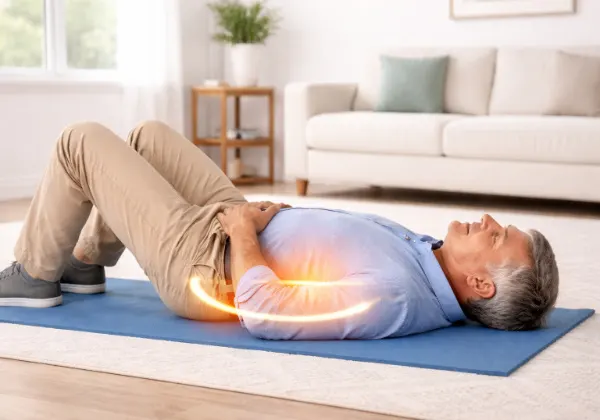
Lie on your back with your knees bent. Tighten your stomach muscles and gently tilt your pelvis upward. Hold for a few seconds, then relax.
This small but effective movement improves coordination between your core and hips. It also supports better posture and reduces strain on your lower back.
How Often Should You Do These Stretches?
You do not need long sessions to see results. A short daily routine works best. Aim for about 10 to 15 minutes each day, and repeat each stretch two to three times.
The Centers for Disease Control and Prevention emphasizes that regular movement and flexibility exercises help older adults stay independent and reduce the risk of injuries.
Consistency matters far more than intensity. Doing a little every day will always beat doing too much once in a while.
Dr. Preet Pal’s Clinical Perspective
“In geriatric rehabilitation, I frequently observe seniors confusing joint capsule stiffness with muscle tightness. Stretches targeting tight hip flexors or the piriformis muscle are essential, but if the underlying ball-and-socket joint lacks adequate fluid cushioning, forcing range of motion can cause micro-trauma to the joint capsule. Stretching works best when paired with gentle joint hydration, allowing surrounding tendons to lengthen without pinching dry cartilage.”
Mistakes That Can Slow Your Progress
Many people unknowingly make small mistakes that reduce the benefits of stretching. Holding your breath is one of them. When you breathe properly, your muscles relax and respond better.
Another common mistake is trying to push too far too soon. Flexibility improves gradually, not overnight. If you rush the process, you increase your chances of discomfort or injury.
Skipping warm-ups can also make stretching less effective. Even a few minutes of light movement prepares your body and makes each stretch safer.
Benefits You’ll Start Noticing
When you follow the best hip stretches for seniors consistently, the results become noticeable in everyday life. Walking feels easier and smoother. Standing up from a chair requires less effort. Even simple tasks like bending or turning become more comfortable.
You may also notice better posture and improved balance. These changes reduce your risk of falls and help you stay active longer. Over time, stretching becomes less of a task and more of a habit your body actually enjoys.
Research from Harvard Health Publishing highlights that regular flexibility exercises can support mobility, reduce stiffness, and improve overall physical function in older adults.
When designing a complete joint care routine, static stretching is only one piece of the puzzle. Combining static hip exercises with low-impact aerobic conditioning—like low-resistance cycling for knee and hip pain—helps circulate synovial fluid throughout the joint capsule without the jarring impact of walking on hard pavement.
When You Should Be Careful
While stretching is generally safe, there are times when you should proceed with caution. If you experience sharp pain, recent injuries, or have undergone surgery, it is best to consult a healthcare professional first.
Listening to your body is always the smartest approach. Gentle discomfort is normal, but pain is not.
Before starting any mobility routine, it is vital to distinguish between general muscular stiffness and nerve compression. If you experience sharp, shooting discomfort or tingling that begins in the glutes and hip pain radiates down the leg after 50, you may be dealing with sciatic nerve involvement rather than simple joint tightness, which requires a tailored diagnostic approach.
-
✓
Synovial Fluid Hydration: Uses Mobilee® to replenish thinning joint fluid and eliminate bone-on-bone friction during stretching.
-
✓
Cartilage Protection: Combined with French Maritime Pine Bark extract to guard hyaluronan molecules against oxidative degradation.
-
✓
Enhanced Flexibility: Prepares tight hip joints for safer, smoother daily movement and routine mobility work.
Dr. Preet Pal’s Clinical Note: “Stretching releases tight surrounding muscles, but restoring internal joint lubrication is what protects the cartilage underneath. Joint Genesis specifically addresses age-related loss of hyaluronan, re-hydrating the synovial fluid matrix so your hips glide smoothly through every stretch without grinding.”
Final Thoughts
Improving flexibility does not require complicated routines or intense workouts. The best hip stretches for seniors are simple, safe, and easy to follow at home.
Start with a few stretches, stay consistent, and give your body time to adapt. Progress may feel slow at first, but every small effort adds up.
Your goal is not perfection. Your goal is comfort, mobility, and the freedom to move without hesitation. And that is something truly worth working toward.
Frequently Asked Questions
What are the best hip stretches for seniors to do daily?
The best hip stretches for seniors include seated hip marches, standing hip flexor stretches, figure-4 stretches, and knee-to-chest movements. These exercises are safe, gentle, and effective for improving flexibility and reducing stiffness when done consistently.
How often should seniors do hip stretches?
Seniors should perform the best hip stretches for seniors at least 5 to 7 days a week for 10 to 15 minutes. Regular stretching helps maintain mobility, reduce joint stiffness, and improve overall balance over time.
Are hip stretches safe for seniors with joint pain?
Yes, the best hip stretches for seniors are generally safe when done slowly and gently. However, seniors with severe joint pain or recent injuries should consult a healthcare professional before starting any new stretching routine.
Can hip stretches help improve balance in seniors?
Yes, practicing the best hip stretches for seniors can improve balance by strengthening surrounding muscles and increasing joint flexibility. Better balance reduces the risk of falls and supports independent movement.
How long does it take to see results from hip stretches?
Most seniors notice improvements within a few weeks of doing the best hip stretches for seniors consistently. Flexibility, reduced stiffness, and easier movement typically improve with daily practice.
Sources
- National Institute on Aging – Exercise & Physical Activity Guide
- Centers for Disease Control and Prevention – Physical Activity Guidelines
- Harvard Health Publishing – Stretching and Flexibility
Author Bio
Jennifer Collins is a wellness researcher and natural health writer focused on adults over 40. With 3+ years of experience in digital health content, Jennifer specializes in making science-backed nutrition and lifestyle strategies easy to follow and apply.
Health Disclaimer
This content is for informational purposes only and is not intended to diagnose, treat, or cure any disease. Always consult your healthcare provider before making changes to your diet or health routine. This article may include affiliate links, which come at no extra cost to you.