
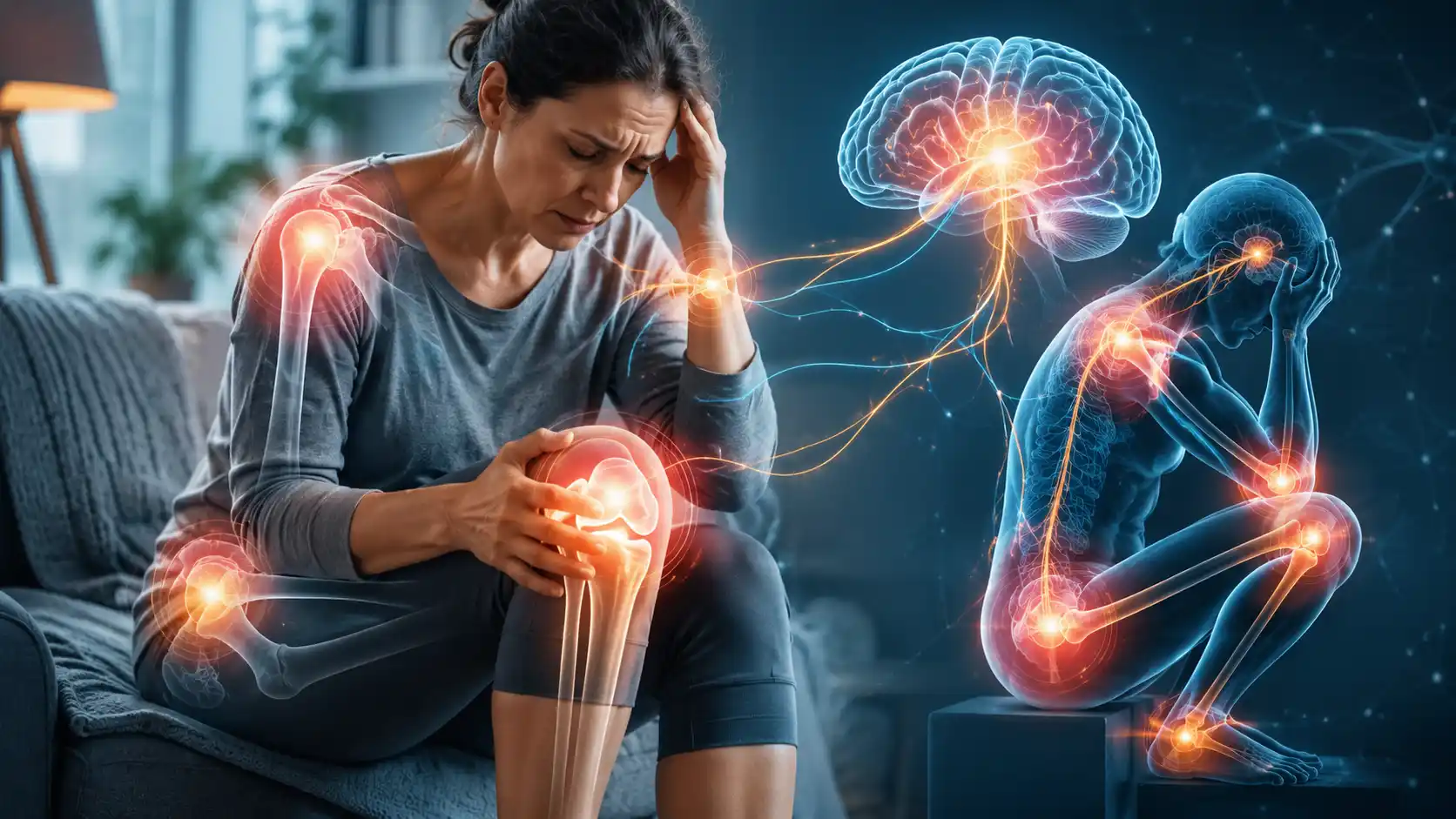
Many people think of anxiety as a condition that affects thoughts, emotions, and behavior. However, growing research shows that anxiety can also influence physical health in significant ways. One of the most overlooked connections is the relationship between anxiety and joint pain. People experiencing chronic worry, panic, or prolonged stress often report aching joints, stiffness, muscle tension, and widespread discomfort even when no obvious injury exists.
Scientists now understand that the body and brain communicate continuously through the nervous system, immune system, and hormonal pathways. When anxiety becomes persistent, these systems may remain in a heightened state of alertness. Over time, this can contribute to pain sensitivity, inflammation, muscle tightness, and changes in how the body processes discomfort.
Understanding this connection is important because many individuals spend years searching for a purely physical explanation while overlooking the role of mental and neurological health. This article explores how anxiety affects the body, the role of nervous system regulation, and practical ways to reduce pain and improve overall well being.
How the nervous system influences pain perception
The nervous system acts as the body’s communication network. It constantly receives information from tissues, muscles, and joints before sending signals to the brain for interpretation.
When a person experiences stress or anxiety, the autonomic nervous system activates the fight or flight response. This response is useful during emergencies because it prepares the body for action. Heart rate increases, muscles tighten, breathing changes, and stress hormones surge.
The problem arises when this state continues for weeks or months. Instead of returning to a balanced state, the nervous system remains highly reactive. Researchers have found that chronic activation can increase pain sensitivity, meaning normal sensations may feel more uncomfortable than they otherwise would.
This heightened sensitivity does not mean the pain is imagined. The discomfort is real. The nervous system simply becomes more efficient at detecting and amplifying pain signals. As a result, even minor physical strain can feel significantly worse than expected.
The science behind joint pain and anxiety
The relationship between joint pain and anxiety is complex and involves several biological mechanisms. Studies suggest that people with anxiety disorders are more likely to report chronic pain conditions than those without anxiety.
One explanation involves muscle tension. Anxiety often causes unconscious tightening of muscles around the neck, shoulders, hips, knees, and lower back. Persistent tension places additional pressure on surrounding joints and connective tissues, which can lead to soreness and stiffness.
Another factor involves inflammation. Chronic psychological stress may trigger the release of inflammatory molecules known as cytokines. Elevated levels of these molecules have been associated with increased pain sensitivity and worsening symptoms in some musculoskeletal conditions.
Sleep disruption also plays a major role. Anxiety frequently interferes with sleep quality. Poor sleep reduces the body’s ability to recover and may increase pain perception the following day. This creates a cycle where anxiety worsens pain, and pain increases anxiety.
Researchers from the National Institutes of Health have reported strong links between chronic stress, pain processing, and nervous system function, highlighting how psychological and physical symptoms often overlap.
Researchers investigating how anxiety affects joint pain have found that the connection extends beyond emotional distress alone. Anxiety can alter brain activity related to discomfort, increase body awareness, and influence the way signals travel between the brain and joints. These changes may not create structural damage, but they can intensify symptoms that already exist. This growing area of research helps explain why some individuals experience significant discomfort despite having normal imaging results or only mild physical findings.
Understanding nervous system dysregulation symptoms
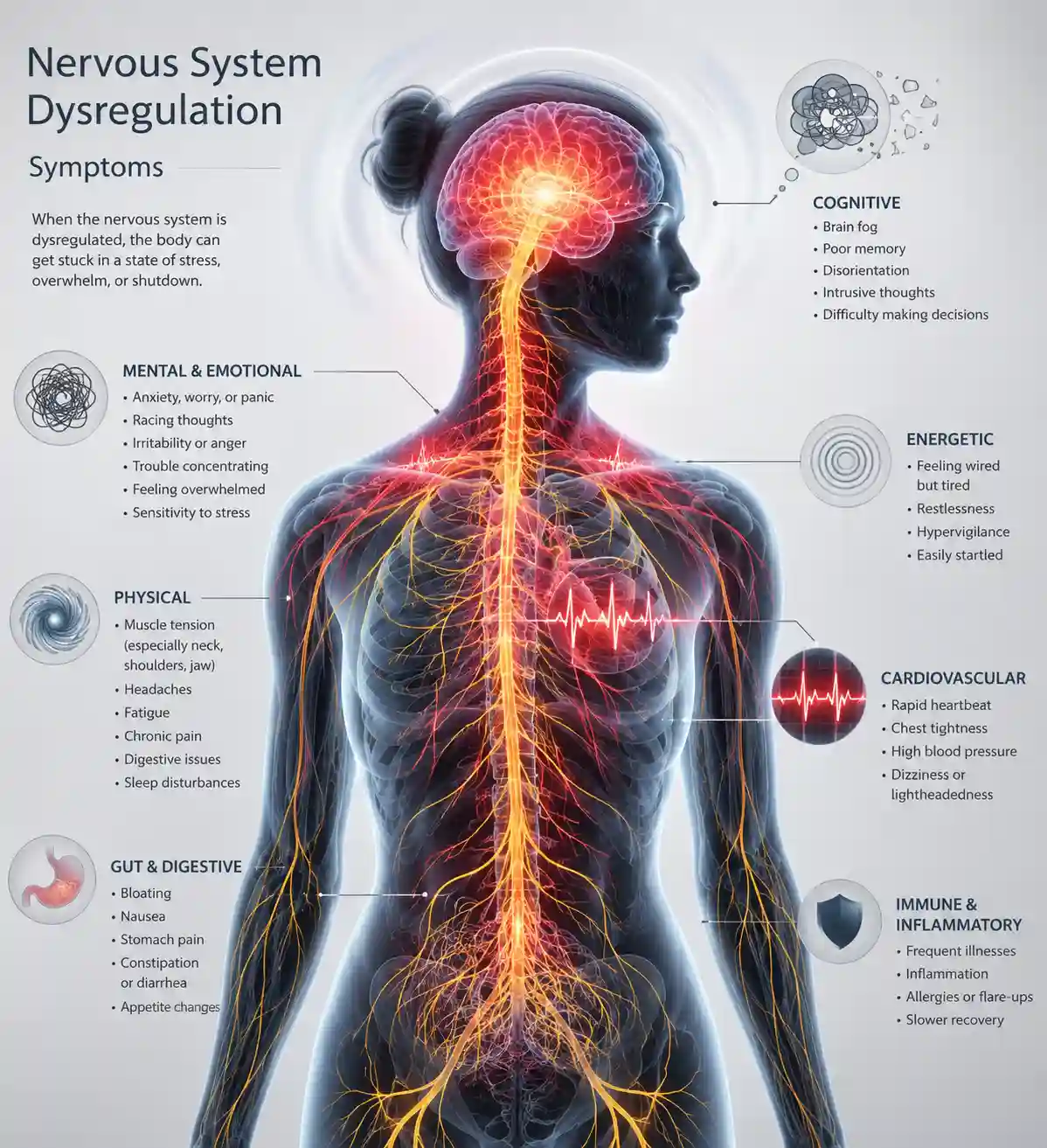
Many individuals experiencing persistent discomfort may also notice various nervous system dysregulation symptoms. These symptoms occur when the autonomic nervous system struggles to shift efficiently between activation and recovery states.
Common signs include:
Persistent muscle tension
The body remains prepared for perceived threats even when no danger exists. Muscles stay partially contracted throughout the day, increasing strain on joints and surrounding tissues.
Increased pain sensitivity
People may notice that minor aches feel unusually intense. Activities that previously caused little discomfort may suddenly become painful.
Fatigue and exhaustion
A constantly activated nervous system consumes significant energy. Many people report feeling physically drained despite getting adequate rest.
Digestive disturbances
The nervous system directly influences digestion. Chronic dysregulation may contribute to nausea, bloating, constipation, or stomach discomfort.
Difficulty relaxing
Even during quiet moments, the body may struggle to return to a calm state. This ongoing tension can contribute to widespread discomfort and persistent physical symptoms.
Recognizing these dysregulated stress response symptoms helps explain why some people experience pain without obvious structural damage.
Why stress can trigger joint discomfort
The connection between stress-related joint strain and anxiety becomes clearer when examining the body’s stress response.
When stress hormones such as cortisol and adrenaline remain elevated, several physiological changes occur. Blood flow patterns shift, muscles tighten, inflammation may increase, and recovery processes become less efficient.
These changes can create the perfect environment for discomfort. Joint tissues may become more sensitive, while surrounding muscles place additional pressure on affected areas.
People often notice stress-related joint discomfort during periods of intense work pressure, financial concerns, family conflict, or major life transitions. In many cases, symptoms improve when stress levels decrease.
Researchers emphasize that stress does not necessarily cause joint disease. Instead, it may amplify existing discomfort or contribute to symptoms in individuals already vulnerable to pain conditions.
Anxiety and chronic inflammation
Inflammation serves an important role in healing and immune defense. However, chronic low grade inflammation may contribute to persistent pain.
Studies suggest prolonged psychological stress can influence inflammatory pathways throughout the body. Although researchers continue to investigate the exact mechanisms, evidence indicates that anxiety may affect immune system activity and inflammatory responses.
Inflammatory molecules can sensitize pain receptors, making discomfort feel stronger. This may partly explain why some people experience worsening joint symptoms during periods of emotional distress.
The relationship appears to work both ways. Chronic pain itself can increase anxiety levels, creating a feedback loop that becomes difficult to break.
Understanding this connection encourages a more comprehensive approach to treatment that addresses both physical and psychological factors.
Another area receiving increased scientific attention is the relationship between nervous system imbalance and chronic pain. When the body’s regulatory systems remain stuck in a protective state for extended periods, recovery mechanisms may become less effective. Researchers believe this prolonged activation can contribute to ongoing discomfort, fatigue, and reduced resilience. Understanding this relationship provides a broader perspective on why addressing stress, sleep, and emotional wellbeing often improves physical symptoms alongside traditional medical treatments.
Anxiety and joint pain in everyday life
Living with anxiety and joint pain can affect daily routines in numerous ways. Individuals may avoid physical activity because movement feels uncomfortable. Reduced movement then weakens muscles and decreases flexibility, which can worsen stiffness over time.
Work performance may also suffer. Pain can make concentration difficult, while anxiety can increase mental fatigue and reduce productivity.
Social activities often become challenging as well. Some people withdraw from friends and family because they feel exhausted or uncomfortable. Unfortunately, isolation can increase stress levels and contribute to worsening symptoms.
Healthcare providers increasingly recognize the importance of addressing mental health when evaluating chronic pain complaints. A comprehensive assessment often produces better outcomes than focusing on symptoms in isolation.
How movement helps regulate the nervous system
Exercise is one of the most effective tools for supporting nervous system regulation and reducing pain sensitivity.
Physical activity stimulates the release of endorphins, which act as natural pain relievers. Exercise also improves circulation, reduces muscle tension, enhances sleep quality, and supports emotional well being.
Beneficial activities include:
Walking
Regular walking promotes joint mobility while placing minimal stress on the body. Even short daily walks can provide noticeable benefits.
Yoga
Yoga combines movement, breathing, and mindfulness. Research suggests it may improve flexibility, reduce stress, and support nervous system balance.
Swimming
Water based exercise reduces pressure on joints while allowing gentle movement and strengthening.
Strength training
Building muscle helps support joints and may reduce discomfort associated with poor stability or posture.
Individuals experiencing severe pain should consult a healthcare professional before starting a new exercise program.
The role of sleep in pain regulation
Sleep and pain share a powerful relationship. Poor sleep increases sensitivity to discomfort, while chronic pain often disrupts sleep quality.
Anxiety frequently contributes to racing thoughts, nighttime worry, and difficulty falling asleep. As sleep quality declines, the nervous system becomes more reactive and less resilient.
Improving sleep hygiene may reduce both anxiety and physical discomfort. Helpful strategies include maintaining a consistent sleep schedule, limiting caffeine intake late in the day, reducing screen exposure before bedtime, and creating a comfortable sleep environment.
Research consistently shows that better sleep supports recovery, emotional regulation, and healthy nervous system function.
Managing stress-related joint pain through lifestyle changes
Reducing stress-related joint pain often requires a combination of physical and psychological approaches rather than a single solution.
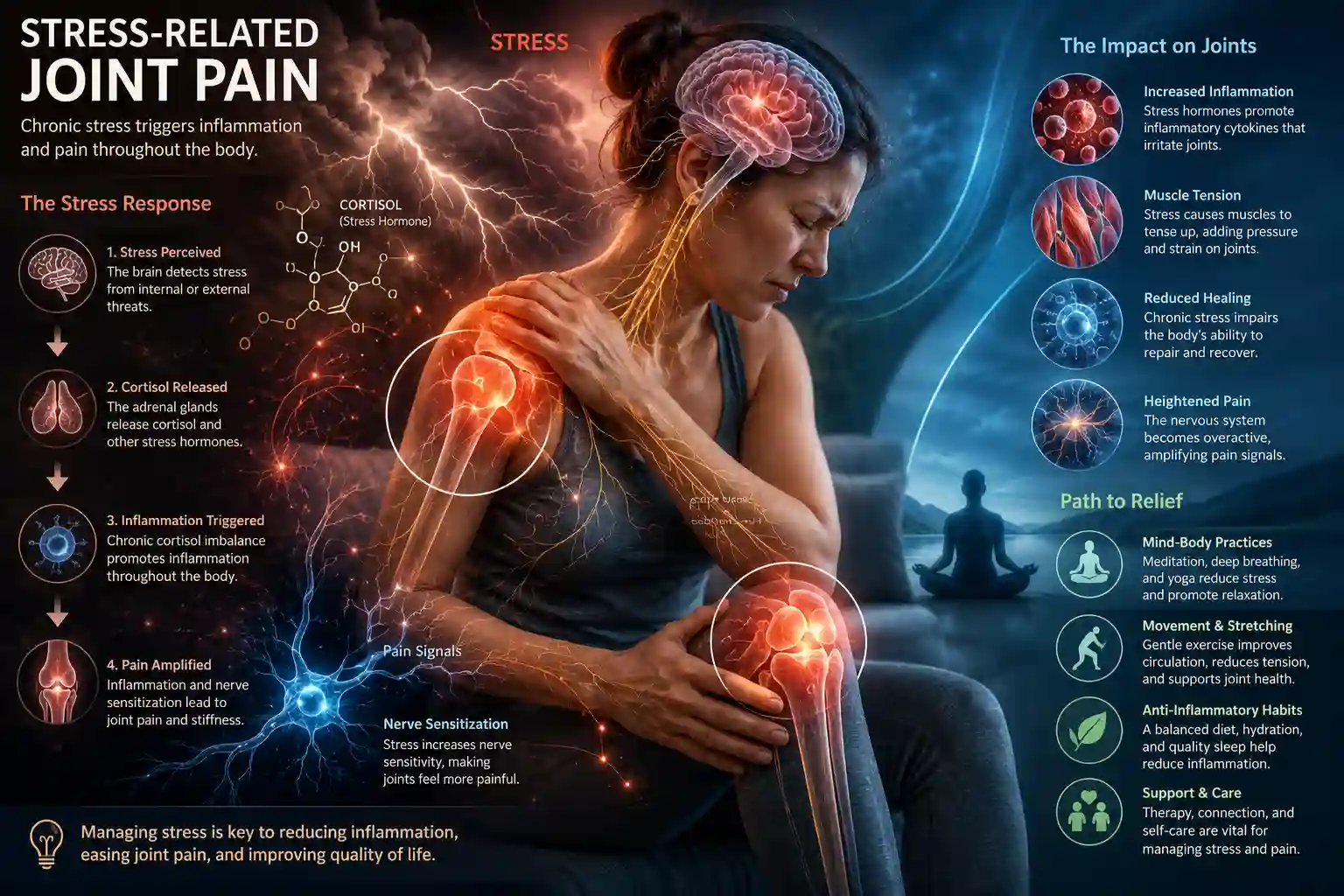
Several evidence based strategies may help:
Mindfulness meditation
Mindfulness practices encourage present moment awareness and may reduce nervous system activation. Studies have shown benefits for both anxiety and chronic pain management.
Deep breathing exercises
Slow diaphragmatic breathing activates the parasympathetic nervous system, which promotes relaxation and recovery.
Healthy nutrition
A balanced diet rich in fruits, vegetables, whole grains, lean proteins, and healthy fats supports overall health and may help regulate inflammation.
Social connection
Strong relationships can buffer stress and improve emotional resilience. Regular interaction with supportive people may positively affect both mental and physical health.
Professional support
Mental health professionals can provide evidence based therapies such as cognitive behavioral therapy, which has demonstrated effectiveness for anxiety and chronic pain management.
When to seek medical evaluation
Although anxiety can contribute to discomfort, persistent pain should never be dismissed without proper evaluation.
Medical assessment is especially important if joint pain is accompanied by:
Swelling or redness
These symptoms may indicate inflammatory or infectious conditions requiring treatment.
Significant mobility limitations
Difficulty walking, standing, or performing daily activities should be assessed by a healthcare professional.
Unexplained weight loss
Unexpected weight loss may indicate an underlying medical condition.
Severe or worsening symptoms
Persistent symptoms that continue to intensify require professional evaluation.
Healthcare providers can help determine whether symptoms are related to musculoskeletal conditions, autoimmune disorders, neurological issues, psychological factors, or a combination of influences.
Anxiety and joint strain: a whole body perspective
Modern research increasingly supports a whole body understanding of health. The brain, nervous system, immune system, and musculoskeletal system work together continuously.
The connection between anxiety and joint ache illustrates how emotional and physical health cannot be separated completely. Anxiety may increase pain sensitivity, contribute to muscle tension, disrupt sleep, and influence inflammatory responses. At the same time, chronic pain can increase emotional distress and worsen anxiety symptoms.
Addressing both sides of the equation often leads to better outcomes. Lifestyle changes, stress management, regular movement, quality sleep, and appropriate medical care can help restore balance and improve quality of life.
Conclusion
The relationship between anxiety and joint pain is supported by growing scientific evidence showing how mental stress influences the nervous system, immune function, and pain perception. While anxiety does not necessarily cause joint disease, it can amplify discomfort, increase sensitivity to pain, and contribute to physical symptoms through ongoing nervous system activation.
Also Read: 7 shocking facts about smartphone thumb pain and how modern phone use is reshaping joint health
Recognizing the connection between emotional health and physical well being allows people to pursue more effective solutions. By addressing stress, improving sleep, staying physically active, and seeking professional guidance when needed, many individuals can reduce discomfort and support long term health.
Sources
National Institutes of Health (NIH)
National Center for Biotechnology Information (NCBI)
Centers for Disease Control and Prevention (CDC)
National Institute of Mental Health (NIMH)
Mayo Clinic Health Information Library
FAQs
Can nervous system dysregulation symptoms develop even when medical tests appear normal?
Yes. Many people experience signs of autonomic nervous system dysfunction despite receiving normal blood work, imaging scans, or physical examination results. This occurs because nervous system function is not always visible through routine diagnostic testing. A person may still experience fatigue, heightened body awareness, digestive changes, tension, and discomfort. Healthcare professionals increasingly recognize that symptoms can result from functional changes in the body’s regulatory systems rather than obvious structural abnormalities, making a comprehensive assessment important.
Why does stress-related joint aches often seem to move from one area of the body to another?
Many people notice that stress-exacerbated joint pain is not always limited to a single location. One week discomfort may appear in the shoulders, while another week it affects the knees or hips. Researchers believe this may occur because stress influences overall body tension and sensitivity rather than targeting a specific joint. When stress levels fluctuate, the body’s response can change as well. This pattern differs from many structural joint conditions, which usually remain localized to the same area.
How can joint pain and anxiety affect daily decision making?
The connection between joint soreness connected to anxiety can influence much more than physical comfort. People often become hesitant to exercise, travel, participate in social activities, or take on new responsibilities because they worry symptoms may worsen. This can gradually reduce confidence and independence. Over time, avoiding activities may contribute to reduced fitness, increased stiffness, and greater emotional distress. Recognizing this cycle allows individuals to make informed choices that support both physical and emotional wellbeing.
Are nervous system irregularity symptoms linked to changes in energy levels?
Yes. Many individuals experiencing neurological dysregulation symptoms report fluctuating energy throughout the day. They may feel alert and restless at certain times and completely exhausted at others. This can occur because the body’s regulatory systems are working harder than normal to maintain balance. Persistent activation may drain physical and mental resources, making everyday tasks feel more demanding. Addressing sleep habits, stress management, and overall health often helps improve energy consistency over time.
What makes stress-related joint pain different from pain caused by an injury?
One important distinction is that stress-exacerbated joint pain often fluctuates according to emotional and psychological circumstances. Symptoms may intensify during demanding work periods, major life changes, or ongoing worry and then improve when stress levels decrease. Injury-related pain usually follows a more predictable healing process connected to tissue damage. While both forms of discomfort are real, understanding the context in which symptoms appear can help healthcare providers identify the most appropriate management strategies.
Can anxiety and joint discomfort affect sleep quality even when discomfort is mild?
Yes. The relationship between joint stiffness and anxiety and sleep is often stronger than people realize. Even mild discomfort can become more noticeable at night when external distractions decrease. At the same time, anxious thoughts may make it difficult to fall asleep or stay asleep. Poor rest can then increase sensitivity to discomfort the following day. This creates a repeating cycle that affects physical recovery, emotional resilience, and overall quality of life.
Why are neurological dysregulation symptoms gaining more attention in healthcare?
Interest in chronic nervous system activation symptoms has grown because researchers increasingly understand the close relationship between the brain, immune system, hormones, and physical health. Modern studies show that symptoms cannot always be explained by structural findings alone. Functional changes in regulation, stress adaptation, and recovery processes may play an important role. This broader understanding encourages more comprehensive treatment approaches that address physical health, emotional wellbeing, lifestyle factors, and long term resilience simultaneously.