
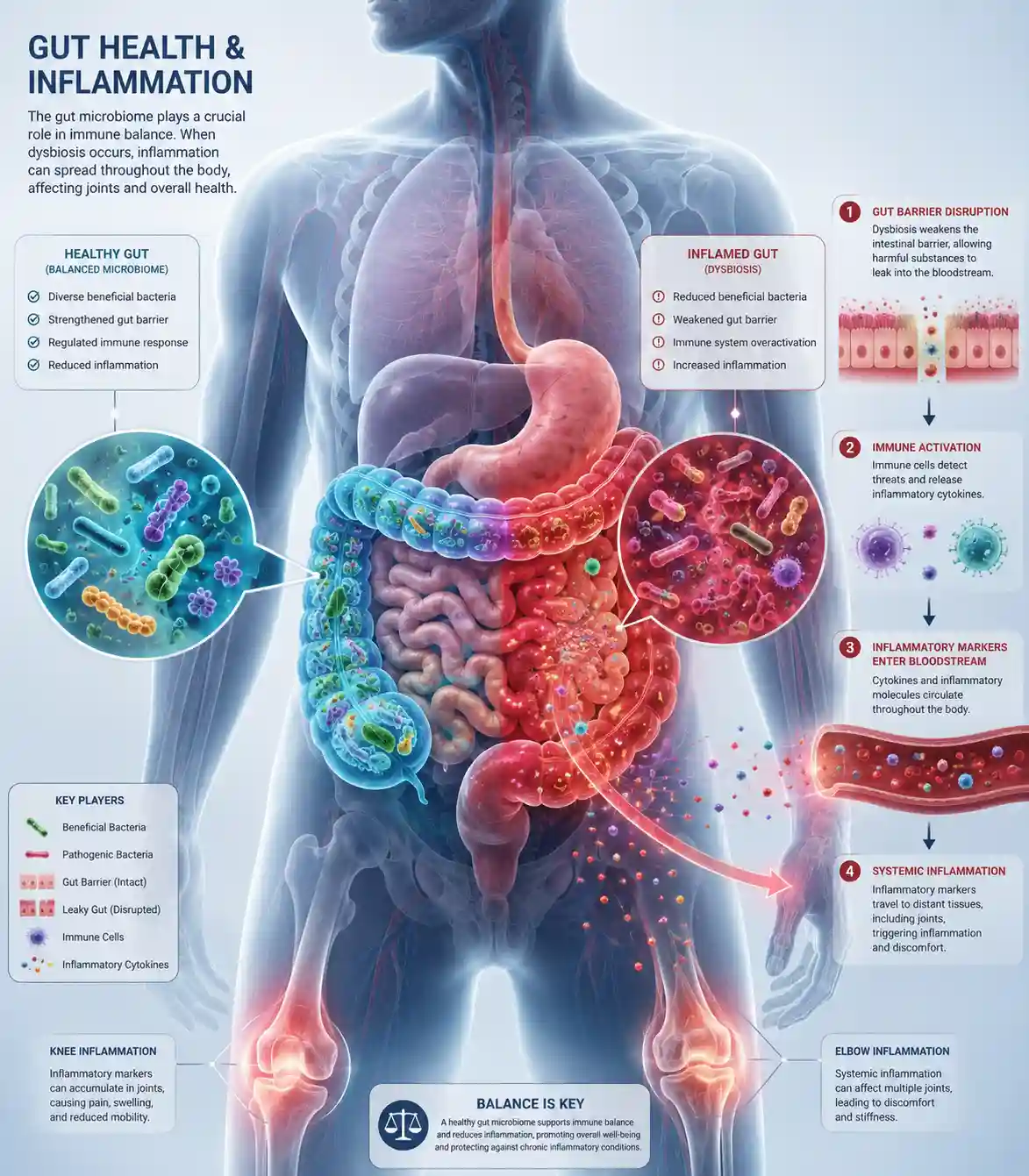
Many people think of digestive health and joint health as completely separate issues. One involves the stomach and intestines, while the other affects knees, hips, fingers, and other joints. Modern research, however, shows that these systems are closely connected. Scientists increasingly recognize that disturbances within the digestive tract can influence immune activity throughout the body, including the joints.
The relationship between gut health and inflammation has become one of the most studied topics in immunology and chronic disease research. The gut contains trillions of microorganisms that help regulate digestion, nutrient absorption, metabolism, and immune responses. When this delicate ecosystem becomes imbalanced, the body may experience widespread inflammatory reactions that extend far beyond the digestive system.
Researchers now refer to this relationship as the gut–joint axis. Understanding this connection may help explain why some individuals experience chronic joint discomfort, autoimmune conditions, or inflammatory disorders alongside digestive symptoms. By examining the science behind the gut microbiome, intestinal barrier function, and immune regulation, we can better understand how the digestive tract influences overall health.
Modern research has strengthened our understanding of the gut health and immune system connection, showing that digestive processes influence far more than nutrient absorption. Scientists now recognize that communication between intestinal microbes and immune cells plays a central role in overall health, making the gut one of the body’s most important regulatory systems.
Understanding the gut microbiome
The human digestive tract hosts a vast community of bacteria, viruses, fungi, and other microorganisms collectively known as the gut microbiome. These microbes perform essential functions that support human health. They help break down dietary fiber, produce beneficial compounds, synthesize certain vitamins, and communicate with the immune system.
A healthy microbiome consists of diverse microbial species working together in balance. Diversity is important because different microorganisms perform different tasks. When microbial diversity decreases or harmful species become dominant, a condition known as dysbiosis can occur.
Scientists have found that dysbiosis may contribute to numerous chronic conditions, including metabolic disorders, autoimmune diseases, and inflammatory conditions. The microbiome continuously interacts with immune cells located within the intestinal lining. Since approximately 70 percent of the immune system resides in the gut, disruptions within this environment can influence inflammatory responses throughout the body.
Short chain fatty acids, produced when beneficial bacteria ferment dietary fiber, play a particularly important role. These compounds help maintain intestinal integrity and regulate immune activity. Reduced production of these beneficial substances has been associated with increased inflammation and altered immune function.
A healthy microbiome depends on strong microbiota balance and sufficient microbial diversity. When this balance is disrupted, a condition known as dysbiosis may develop. Dysbiosis can reduce populations of beneficial bacteria that help maintain digestive wellness and support normal physiological processes.
These microorganisms produce short chain fatty acids, compounds that nourish intestinal cells and contribute to healthy immune regulation. Researchers continue to investigate how these microbial products affect long term health outcomes.
How the intestinal barrier protects the body
The digestive tract serves as a protective barrier between the external environment and the bloodstream. Food particles, microbes, and environmental substances pass through the intestines daily. The intestinal lining acts as a highly selective filter, allowing nutrients to enter circulation while preventing potentially harmful substances from crossing into the body.
This barrier consists of tightly connected intestinal cells, protective mucus layers, and immune defenses. Under healthy conditions, these structures work together to maintain balance. Problems arise when the barrier becomes compromised.
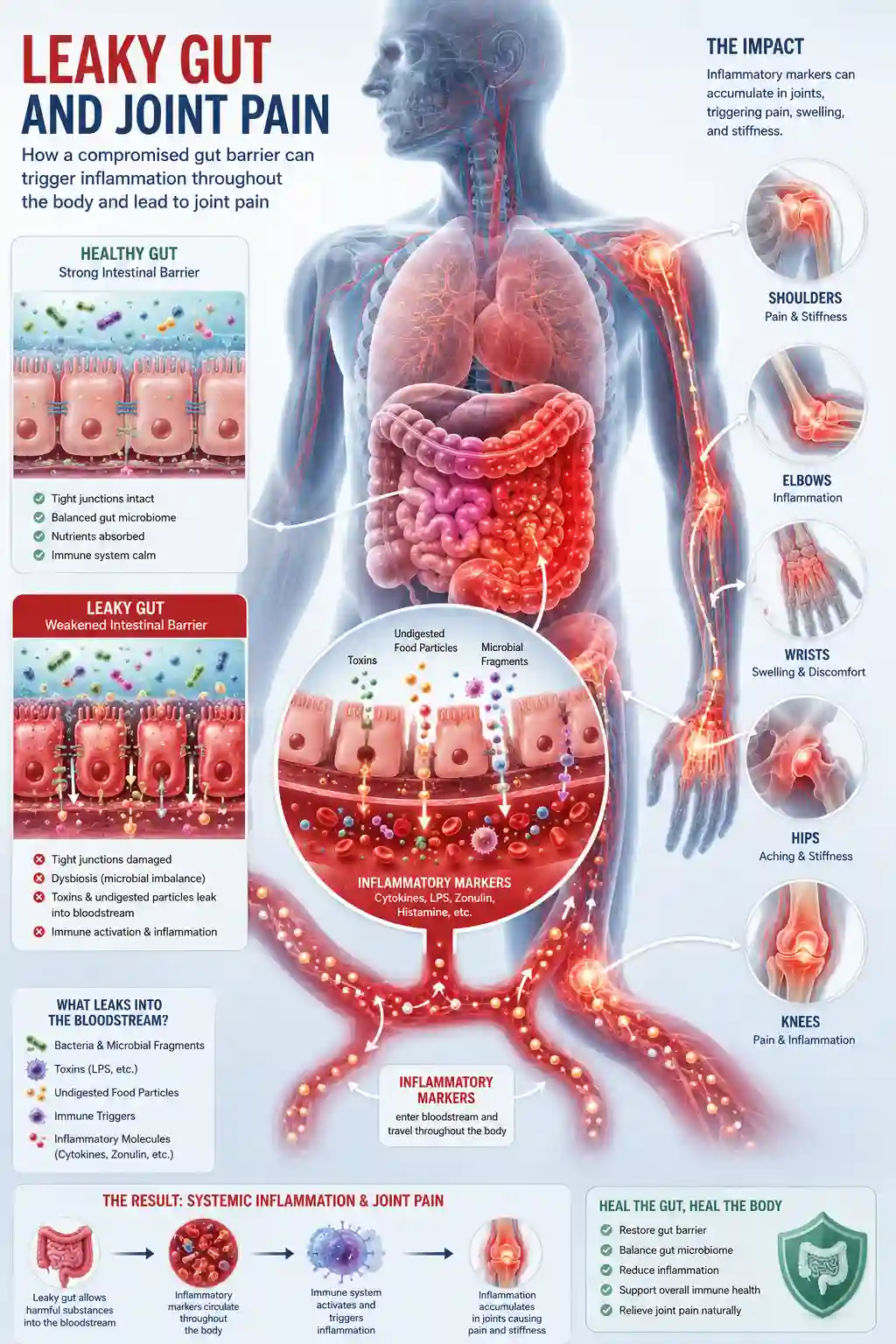
Researchers have investigated the connection between leaky gut and joint pain for many years. Increased intestinal permeability, commonly referred to as leaky gut, occurs when gaps between intestinal cells become less effective at preventing unwanted substances from entering circulation.
When bacterial components, toxins, or partially digested food particles pass through the intestinal barrier, the immune system may recognize them as threats. This can trigger inflammatory responses that spread throughout the body. Although intestinal permeability alone does not directly cause disease, growing evidence suggests it may contribute to immune activation in susceptible individuals.
The concept of leaky gut and joint pain has gained attention because several inflammatory diseases show signs of altered intestinal barrier function. Researchers continue studying how permeability changes influence systemic inflammation and autoimmune activity.
The integrity of the intestinal barrier is critical for preventing unwanted substances from entering circulation. Scientists studying intestinal permeability and chronic inflammation have found that disruptions in barrier function may contribute to excessive immune activation in some individuals.
Increased intestinal permeability can expose the body to bacterial fragments and other compounds that stimulate an inflammatory response, potentially influencing tissues far from the digestive tract.
The science behind gut microbiome inflammation
One of the most important discoveries in recent decades is the role of gut microbiome inflammation in immune regulation. The microbiome and immune system engage in constant communication. Healthy microbes help train immune cells to distinguish between harmless substances and genuine threats.
When microbial balance is disrupted, immune regulation may become impaired. Harmful bacteria can produce inflammatory compounds that stimulate immune responses. At the same time, beneficial bacteria may decline, reducing the production of anti inflammatory substances.
Studies have shown that individuals with chronic inflammatory conditions often display unique microbial patterns compared with healthy populations. Researchers continue exploring whether these changes contribute to disease development or result from existing disease processes.
Several mechanisms may explain intestinal microbiome inflammation. These include altered bacterial metabolites, increased intestinal permeability, activation of inflammatory signaling pathways, and changes in immune cell behavior. Together, these factors may promote persistent low grade inflammation throughout the body.
Importantly, inflammation does not remain confined to the digestive tract. Signals generated within the gut can influence distant tissues, including joints, muscles, skin, and even the brain. This growing understanding has transformed how scientists view chronic inflammatory diseases.
Researchers often describe the relationship between the digestive system and the joints as the gut joint axis. Through this communication network, signals originating in the digestive tract can influence immune system function and affect inflammatory activity throughout the body.
Certain microbial metabolites produced by gut bacteria act as signaling molecules that help coordinate communication between microbes, intestinal cells, and immune tissues.
Gut health and inflammation in joint disorders
Scientists believe that disturbances within the digestive tract may contribute to systemic inflammation, a process associated with numerous chronic health conditions. Ongoing studies continue to explore how the gut environment may influence the development and progression of autoimmune disease.
The interaction between intestinal microbes and immune cells can trigger various inflammatory pathways, some of which may contribute to persistent joint stiffness and discomfort in susceptible individuals.
The emerging gut–joint axis
The gut-joint axis describes the biological communication network linking intestinal health and joint function. Researchers have identified several pathways through which gut derived immune signals may influence joint tissues.
Immune cells activated in the gut can travel through the bloodstream and affect other organs. Inflammatory molecules produced during dysbiosis may circulate systemically and contribute to tissue inflammation. Some bacterial components can also stimulate immune reactions that target joint structures.
Because of these interactions, scientists increasingly study gut health and inflammation when investigating chronic joint disorders. While genetics, lifestyle factors, and environmental triggers remain important contributors, gut related mechanisms appear to play a significant supporting role.
Rheumatoid arthritis and microbial changes
Rheumatoid arthritis is an autoimmune disease characterized by chronic inflammation affecting multiple joints. Numerous studies have identified microbial differences in people with rheumatoid arthritis compared with healthy individuals.
Certain bacterial species appear more abundant during active disease, while beneficial microbes may be reduced. Researchers continue examining how these microbial changes influence disease progression and immune activity.
The relationship between inflammatory arthritis and gut health has become particularly important in autoimmune research. Some evidence suggests that microbial imbalances may precede disease development in certain individuals. Although researchers have not established a single causative organism, the overall microbial environment appears relevant to disease risk.
Spondyloarthritis and intestinal inflammation
Spondyloarthritis encompasses several inflammatory conditions that affect the spine and other joints. Many patients experience gastrointestinal symptoms alongside musculoskeletal problems.
Research has revealed substantial overlap between intestinal inflammation and spondyloarthritis. Some patients demonstrate microscopic gut inflammation even without obvious digestive symptoms. These findings strengthen the connection between inflammatory arthritis and gut health and support the idea that intestinal immune activity may influence joint disease.
Lifestyle factors that affect gut and joint health
Supporting digestive health through a nutrient rich diet may help maintain a healthy microbial environment. Good nutrition also contributes to overall gastrointestinal health, which remains closely connected to immune regulation and inflammatory balance.
Diet quality
Diet is one of the strongest influences on microbial diversity. Diets rich in fruits, vegetables, legumes, whole grains, nuts, and seeds generally support beneficial bacteria. Fiber serves as fuel for microbes that produce anti inflammatory compounds.
In contrast, dietary patterns high in ultra processed foods, excessive sugar, and low fiber intake may reduce microbial diversity. Such changes can contribute to gut microbial inflammation and may negatively affect immune regulation.
Sleep and stress
Sleep and stress significantly influence both digestive and immune function. Chronic stress alters gut motility, microbial composition, and intestinal permeability. Poor sleep can increase inflammatory markers and impair immune balance.
These factors may indirectly contribute to leaky gut syndrome and joint discomfort by affecting intestinal barrier function and inflammatory pathways. Maintaining healthy sleep habits and managing stress are important components of overall wellness.
Physical activity
Regular physical activity supports microbial diversity and helps regulate inflammation. Exercise may enhance beneficial bacterial populations while improving immune function. Moderate activity also supports joint mobility, muscle strength, and cardiovascular health.
Researchers increasingly recognize that movement contributes to both digestive and musculoskeletal wellness. Consistent activity can complement dietary strategies aimed at supporting healthy inflammatory responses.
Can improving gut health reduce inflammation?
Scientists continue investigating whether targeted gut interventions can help reduce inflammatory activity. While research remains ongoing, several approaches show promise.
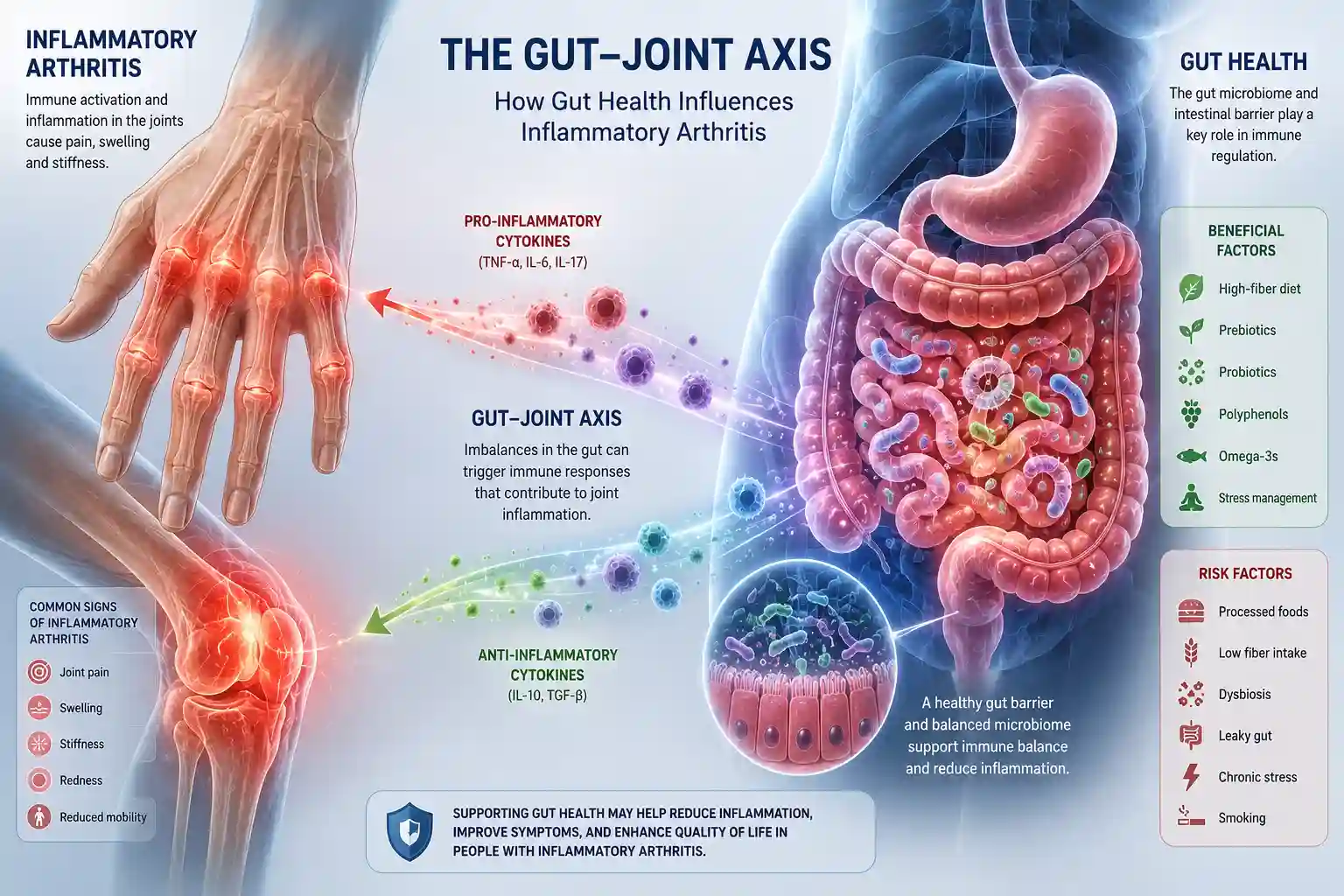
Increasing dietary fiber intake supports beneficial bacteria and short chain fatty acid production. Consuming a variety of plant foods may improve microbial diversity. Fermented foods containing live cultures can also contribute beneficial microorganisms.
Researchers are examining probiotics, prebiotics, and dietary interventions in relation to digestive health and inflammation. Results vary depending on the specific condition, population studied, and intervention used. Therefore, no single strategy works for everyone.
The most consistent findings support long term dietary patterns rather than short term fixes. Sustainable lifestyle habits appear more effective than restrictive approaches that are difficult to maintain.
Key warning signs of a disrupted gut ecosystem
Although digestive symptoms vary widely, certain signs may suggest microbial imbalance or intestinal dysfunction. These include persistent bloating, altered bowel habits, excessive gas, abdominal discomfort, and food sensitivities.
However, gut related issues do not always present with digestive symptoms alone. Some individuals experience fatigue, skin concerns, or musculoskeletal complaints. Researchers studying arthritis inflammation and gut health have observed that digestive symptoms may be absent even when intestinal changes are present.
Because symptoms overlap with many conditions, proper medical evaluation remains essential. A healthcare professional can determine whether symptoms require further investigation and recommend appropriate management strategies.
Future directions in gut–joint research
Research into the gut–joint axis continues expanding rapidly. Scientists are exploring advanced microbial analysis techniques, immune system interactions, and personalized approaches to treatment.
Future studies may help identify specific microbial signatures associated with different inflammatory diseases. Researchers also hope to better understand how genetics, diet, environment, and microbiota interact to influence disease risk.
Interest in microbiome-related inflammation continues growing because it represents a potentially modifiable factor in chronic disease. While many questions remain unanswered, current evidence strongly supports the importance of maintaining a healthy gut ecosystem.
Conclusion
The connection between the digestive system and the joints is far more significant than previously believed. Research increasingly demonstrates that gut health and inflammation are closely linked through complex interactions involving the microbiome, intestinal barrier, and immune system.
Evidence suggests that compromised gut barrier and joint pain, gut bacteria inflammation, and inflammatory arthritis and digestive health are interconnected areas of ongoing scientific investigation. Although researchers continue uncovering new details, one conclusion remains clear: supporting a healthy gut environment plays an important role in maintaining overall immune balance and long term wellness.
Also Read: Cost comparison: understanding surgery vs non-surgical treatment cost and long-term healthcare value
As scientists deepen their understanding of the gut–joint axis, future discoveries may provide new opportunities for preventing and managing inflammatory conditions. Until then, focusing on healthy dietary habits, quality sleep, stress management, and regular physical activity remains a practical approach to supporting both digestive and joint health.
As evidence continues to grow, researchers increasingly view the gut as a key regulator of whole body wellness. Maintaining a healthy gut ecosystem may help support balanced immune responses and reduce factors associated with chronic inflammation, making digestive health an important consideration in long term disease prevention.
Sources
National Institutes of Health (NIH)
National Center for Biotechnology Information (NCBI)
Harvard T.H. Chan School of Public Health
Centers for Disease Control and Prevention (CDC)
National Institute of Arthritis and Musculoskeletal and Skin Diseases (NIAMS)
FAQs
Can gut microbiome inflammation affect joint stiffness even without digestive symptoms?
Yes. Research suggests that reduced microbial diversity may influence immune regulation throughout the body. Some individuals with joint stiffness show microbial changes despite having no obvious digestive complaints. This highlights the systemic influence of the gut ecosystem and supports ongoing research into microbiota related immune responses.
Why do some people with leaky gut and joint pain experience fatigue along with musculoskeletal discomfort?
Increased intestinal permeability may contribute to immune activation that extends beyond the digestive tract. The resulting inflammatory signaling can affect energy regulation, recovery processes, and tissue function. This may explain why fatigue sometimes appears alongside musculoskeletal symptoms.
Are short chain fatty acids important for immune balance?
Absolutely. Short chain fatty acids help maintain intestinal barrier integrity and support healthy immune regulation. These compounds are produced when beneficial bacteria ferment dietary fiber and are considered key mediators of gut related health benefits.
Can chronic stress alter microbial composition?
Yes. Chronic stress influences hormone production, digestive function, and microbial diversity. Research shows that prolonged stress can shift bacterial populations and affect immune responses, potentially increasing susceptibility to inflammatory processes.
How does intestinal barrier function influence systemic inflammation?
The intestinal barrier acts as a gatekeeper that controls what passes from the gut into the bloodstream, allowing nutrients through while blocking harmful substances. When intestinal barrier integrity declines, unwanted particles such as toxins and microbes may enter circulation, activating the immune system. This can lead to increased immune activity and sustained inflammatory signaling. Over time, this process may contribute to broader inflammatory responses throughout the body, affecting multiple systems and potentially influencing long term health and immune balance.
Why are researchers interested in microbial metabolites?
Microbial metabolites act as chemical messengers between the microbiome and the body. They influence immune regulation, metabolism, and tissue health. Scientists believe these compounds may help explain how gut microorganisms affect distant organs.
Can dietary fiber influence immune responses beyond digestion?
Yes. Dietary fiber supports beneficial microbes that produce compounds involved in immune regulation. These effects extend beyond digestion and may influence inflammatory pathways throughout the body. Researchers studying inflammatory arthritis and gut health have found growing evidence that the gut microbiome may play a role in regulating immune responses associated with joint inflammation.