
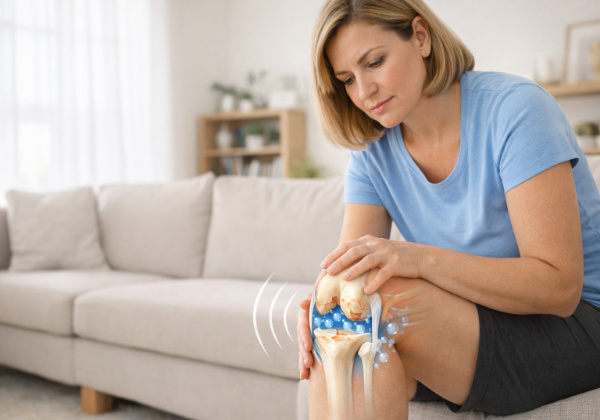
Many people notice Knee Popping no Pain After 40from their joints as they get older. One of the most common is knee popping. You stand up from a chair, bend your leg, or climb stairs—and suddenly you hear a small pop or crack.
If you’re over 40, this experience can feel a bit alarming. Naturally, the first question that comes to mind is: “Is something wrong with my knee?”
In most cases, knee popping with no pain after 40 is normal and not a sign of serious damage. Doctors call these harmless joint sounds crepitus, and they happen to many healthy adults.
Still, understanding why your knee pops—and when you should pay attention—can help you protect your joint health as you age.
In this article, we’ll explain:
- Why knee popping happens after 40
- When it’s harmless
- Warning signs to watch for
- Practical ways to keep your knees healthy
Let’s start with the basics.
Table of Contents
What Is Knee Popping?
Knee popping refers to audible clicking, cracking, or snapping sounds that occur when the knee moves.
You may hear it when you:
- Stand up from a chair
- Squat or kneel
- Walk up or down stairs
- Stretch your legs after sitting
These sounds can feel strange, but they often occur without pain, swelling, or stiffness.
Orthopedic specialists explain that most painless joint sounds come from normal movement inside the joint, not from injury.
According to the American Academy of Orthopaedic Surgeons, painless clicking or popping in joints is usually harmless and common in adults.
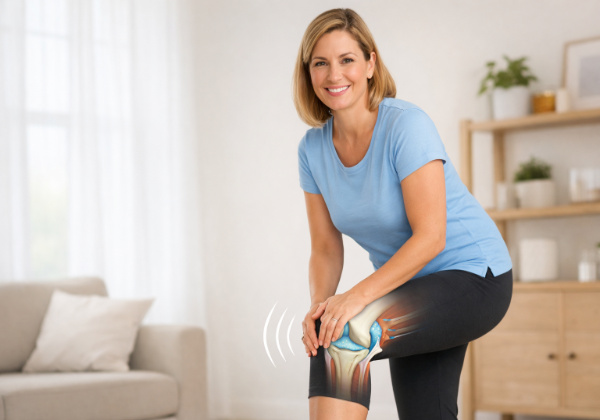
Why Knee Popping Happens More After 40
Your body changes with age, and your joints change too. Several normal processes can lead to knee popping.
1. Gas Bubbles in Joint Fluid
Inside every knee joint lies synovial fluid, a thick liquid that lubricates cartilage and allows smooth movement.
When you bend or straighten your knee:
- Gas bubbles form in the fluid
- These bubbles collapse or shift
- The collapse produces a popping or cracking sound
This mechanism resembles the sound produced when someone cracks their knuckles.
Researchers have studied this phenomenon for decades and confirmed that gas bubble movement inside joints causes harmless popping sounds.
2. Tendons and Ligaments Moving Over Bone
Another common cause involves soft tissues sliding across bone structures.
As your knee bends:
- Tendons shift position
- Ligaments move slightly
- Sometimes they snap gently over bone edges
This movement can create a quick click or pop.
After age 40, tissues lose a bit of elasticity, so these movements may become more noticeable.
3. Natural Cartilage Changes With Age
Cartilage cushions the ends of bones in your knee joint. Over time, cartilage slowly changes.
After 40:
- Cartilage may become slightly thinner
- The joint surface may feel less smooth
- Minor friction can produce small noises
These changes are part of normal aging, not necessarily arthritis.
Doctors emphasize that noise alone does not indicate joint damage.
4. Muscle Imbalances Around the Knee
The knee relies on several muscles for stability, including:
- Quadriceps
- Hamstrings
- Hip stabilizers
When these muscles weaken or tighten, the kneecap may track slightly differently during movement.
This altered motion can produce clicking sounds.
Sedentary lifestyles often worsen this issue, especially after midlife.
Is Knee Popping Without Pain After 40 Normal?
Yes—in most cases, it is completely normal.
Many adults experience painless joint sounds, especially as they age.
Doctors generally consider knee popping harmless when it occurs without:
- Pain
- Swelling
- Limited motion
- Instability
A large review published in the Journal of Orthopaedic & Sports Physical Therapy notes that crepitus without pain rarely indicates structural damage.
Simply put:
If your knee pops but feels strong and comfortable, you likely have nothing to worry about.
When Knee Popping Could Signal a Problem
Although painless popping usually isn’t serious, certain symptoms should prompt medical evaluation.
Watch for these warning signs.
Pain During Movement
Pain is the most important red flag.
If popping occurs alongside:
- Sharp pain
- Aching during activity
- Pain when climbing stairs
It may suggest cartilage damage or early osteoarthritis.
Swelling Around the Knee
Swelling often indicates inflammation inside the joint.
Possible causes include:
- Meniscus injury
- Ligament strain
- Arthritis
Persistent swelling deserves medical attention.
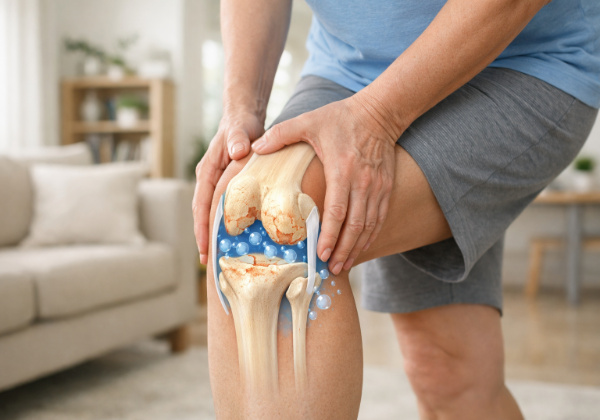
Knee Locking or Catching
If your knee:
- Gets stuck temporarily
- Feels like it catches during motion
You might have a meniscus tear, which involves damage to cartilage inside the knee.
Instability or Weakness
A knee that feels like it might give out may signal ligament problems or structural instability.
Doctors recommend evaluation if instability appears regularly.
Common Knee Conditions After 40
Even though painless popping is usually harmless, adults over 40 may develop certain knee conditions more frequently.
Understanding them helps you stay proactive.
Osteoarthritis
Osteoarthritis is the most common joint condition in older adults.
It occurs when cartilage gradually wears down.
Symptoms may include:
- Pain during activity
- Stiffness in the morning
- Grinding sensations in the knee
However, noise alone does not diagnose arthritis.
Patellofemoral Pain Syndrome
This condition involves irritation where the kneecap meets the thigh bone.
It often develops from:
- Muscle imbalance
- Overuse
- Poor knee alignment
People often describe clicking or grinding during bending movements.
Meniscus Degeneration
The meniscus acts as a shock absorber inside the knee.
With age, it can weaken and become prone to small tears.
Symptoms may include:
- Clicking
- Locking
- Joint pain
Again, these issues usually include discomfort, not just noise.
How to Protect Your Knees After 40
Even if your knee popping causes no pain, taking care of your joints helps prevent problems later.
Here are practical strategies supported by orthopedic research.
Strengthen Your Leg Muscles
Strong muscles stabilize the knee and improve joint tracking.
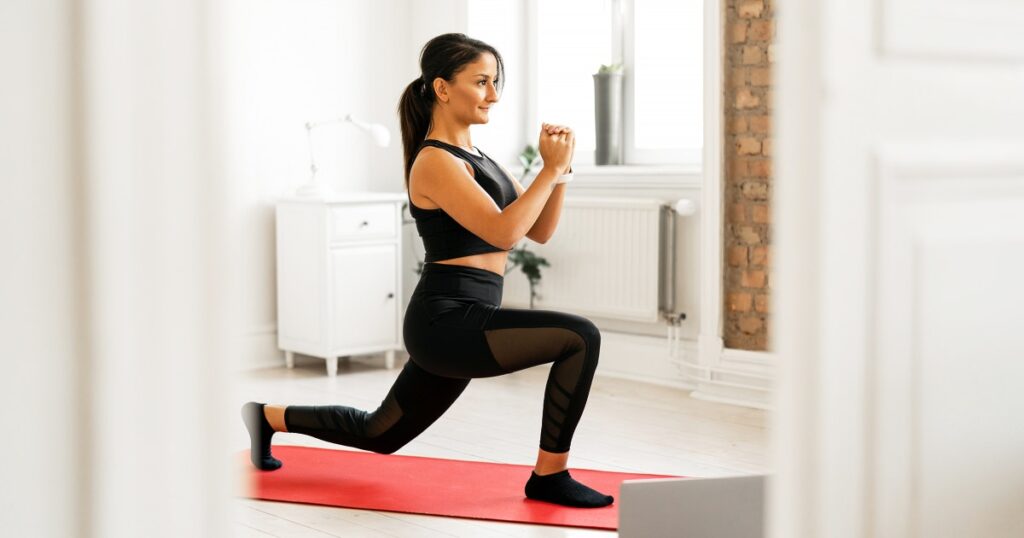
Focus on exercises like:
- Bodyweight squats
- Step-ups
- Leg raises
- Glute bridges
Strengthening the quadriceps and hips significantly reduces knee stress.
Stay Physically Active
Movement keeps joints lubricated and healthy.
Good low-impact activities include:
- Walking
- Swimming
- Cycling
- Yoga
These exercises maintain mobility without overloading the knee.
Maintain a Healthy Weight
Excess body weight places additional pressure on knee joints.
Research shows that each extra pound adds roughly four pounds of pressure on the knee during walking.
Maintaining a healthy weight reduces joint strain and lowers arthritis risk.
Stretch Regularly
Tight muscles around the knee can alter movement patterns.
Stretching helps maintain flexibility in:
- Hamstrings
- Quadriceps
- Hip flexors
- Calves
Just a few minutes of stretching daily can improve knee mechanics.
Avoid Long Periods of Sitting
Prolonged sitting stiffens joints and tightens muscles.
Try to:
- Stand up every 30–60 minutes
- Walk briefly
- Stretch your legs
Frequent movement keeps joints flexible and reduces joint noise.
Should You See a Doctor?
If your knee pops without pain, you usually do not need medical care.
However, consider seeing a healthcare professional if you notice:
- Persistent knee pain
- Swelling
- Limited range of motion
- Instability
- Clicking with locking sensations
An orthopedic doctor may recommend:
- Physical examination
- Imaging tests like X-rays or MRI
- Physical therapy
Early evaluation helps prevent minor problems from becoming larger ones.
Simple At-Home Knee Care Tips
Healthy habits make a real difference for joint health.
Here are a few easy habits to adopt:
- Warm up before exercise
- Wear supportive footwear
- Avoid sudden increases in workout intensity
- Use proper form during exercise
- Rest when joints feel irritated
Small adjustments often keep knees functioning smoothly for years.
If you’re exploring supplements to support joint health, you may also want to read our detailed guide on Does Glucosamine Work for Knee Pain? Evidence, Benefits & What Studies Say, which explains what current research says about glucosamine and knee joint support.
Frequently Asked Questions
Is knee popping no pain after 40 normal?
Yes, knee popping no pain after 40 is usually normal. Many adults hear clicking or popping sounds in their knees due to gas bubbles in joint fluid, tendons moving over bone, or mild cartilage changes with age. If there is no pain, swelling, or stiffness, doctors generally consider these sounds harmless.
What causes knee popping no pain after 40?
The most common causes of knee popping no pain after 40 include gas bubbles in synovial fluid, tendons or ligaments shifting over bone, and natural cartilage changes with aging. Muscle tightness or weakness around the knee can also contribute to joint noises during movement like bending or standing.
When should I worry about knee popping after 40?
You should be concerned about knee popping if it comes with pain, swelling, instability, or limited movement. These symptoms may suggest conditions like meniscus injury, ligament strain, or osteoarthritis. If popping becomes frequent and uncomfortable, a doctor or orthopedic specialist should evaluate the knee.
Can exercise help reduce knee popping no pain after 40?
Yes, exercise can help reduce knee popping no pain after 40 by strengthening the muscles that support the knee joint. Activities like walking, cycling, strength training, and stretching improve joint stability and movement patterns, which may reduce clicking sounds over time.
How can I protect my knees after 40?
To protect your knees after 40, maintain a healthy weight, stay physically active, strengthen leg muscles, and stretch regularly. These habits reduce stress on the knee joint and support healthy cartilage. Even if knee popping no pain after 40 occurs, good lifestyle habits help prevent future knee problems.
The Bottom Line
Hearing your knee pop can feel unsettling, especially after turning 40. However, knee popping with no pain after 40 is usually normal.
Most of the time, these sounds come from:
- Gas bubbles in joint fluid
- Tendons moving across bone
- Natural cartilage changes
- Muscle imbalances
If popping occurs without pain, swelling, or instability, it rarely signals a serious issue.
Still, paying attention to your joint health matters. Regular exercise, muscle strengthening, and maintaining a healthy weight all support long-term knee function.
And if your knee ever begins to hurt or swell, don’t ignore it. Early care often prevents bigger problems later.
After all, your knees carry you through life. Keeping them healthy ensures they keep doing their job—quietly or not.
Sources
- American Academy of Orthopaedic Surgeons – Joint Noises (Crepitus)
- Harvard Health Publishing – What Causes Knee Clicking?
- Cleveland Clinic – Knee Crepitus
- Journal of Orthopaedic & Sports Physical Therapy – Knee Crepitus and Joint Sound
- Arthritis Foundation – Osteoarthritis of the Knee
Author Bio
Jennifer Collins is a wellness researcher and natural health writer focused on adults over 40. With 3+ years of experience in digital health content, Jennifer specializes in making science-backed nutrition and lifestyle strategies easy to follow and apply.
Health Disclaimer
This content is for informational purposes only and is not intended to diagnose, treat, or cure any disease. Always consult your healthcare provider before making changes to your diet or health routine. This article may include affiliate links, which come at no extra cost to you.