
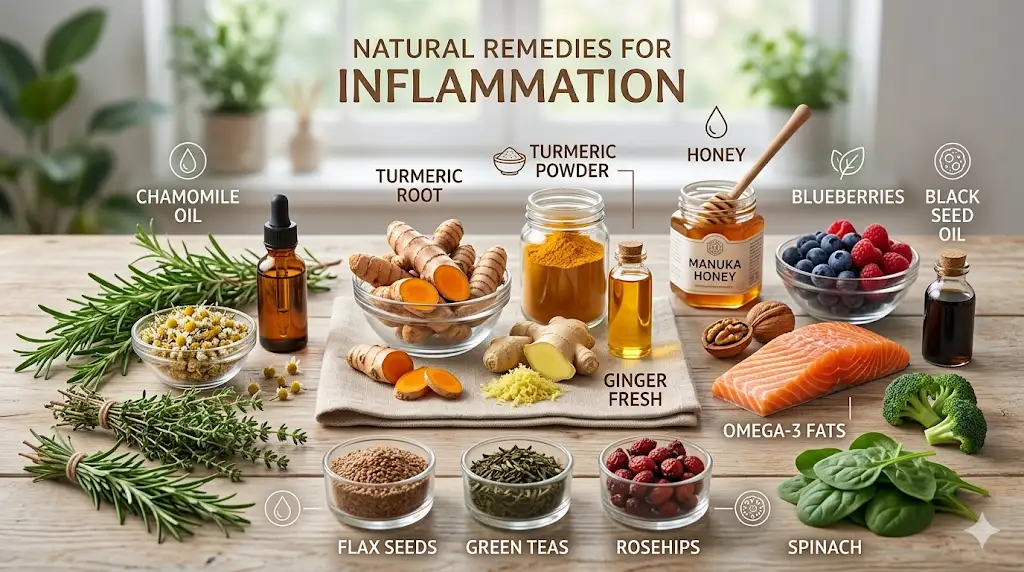
Inflammation is the body’s natural defense system. When you cut your finger or catch an infection, the immune system triggers inflammation to protect and repair tissues. However, chronic inflammation can quietly damage organs and increase the risk of conditions such as heart disease, arthritis, diabetes, and certain autoimmune disorders. According to the National Institutes of Health, long term inflammation is linked to many major chronic diseases that affect millions of people worldwide.
Because of this growing awareness, many people are exploring natural remedies for inflammation to support overall health. Research increasingly shows that lifestyle choices, diet, and plant based compounds found in everyday foods can influence the body’s inflammatory response. While medical treatment remains essential for many conditions, evidence suggests that nutrition and natural strategies can complement conventional care.
This article explores practical, research supported approaches that focus on body calming foods, lifestyle habits, and anti inflammatory herbs. These strategies fall under the broader category of traditional inflammation remedies, which aim to reduce harmful inflammation while supporting the body’s healing processes.
Understanding inflammation and why it happens
Inflammation is not always harmful. Acute inflammation occurs when the immune system responds to injury or infection. This inflammatory response typically produces redness, warmth, swelling, and pain while the body repairs itself.
Problems arise when inflammation becomes chronic. According to Harvard Medical School, chronic inflammation may persist for months or years and contributes to conditions such as cardiovascular disease and metabolic disorders. Long term immune activation can damage healthy tissues and disrupt normal biological processes.
Several factors may trigger chronic inflammation. These include poor diet, obesity, smoking, stress, lack of sleep, and sedentary lifestyles. Environmental exposures and autoimmune conditions may also play a role.
Because lifestyle strongly influences inflammatory processes, many experts encourage individuals to focus on diet and healthy habits. Research increasingly supports the use of natural anti inflammatory remedies alongside medical care to help regulate inflammatory processes and support immune system health.
How diet influences inflammation
Food choices have a direct impact on inflammatory pathways in the body. According to research summarized by the Harvard T H Chan School of Public Health, dietary patterns play a major role in the relationship between diet and inflammation.
Diets rich in vegetables, fruits, whole grains, and healthy fats tend to reduce inflammatory markers in the bloodstream. In contrast, diets high in refined carbohydrates, processed meats, and added sugars may increase inflammation.
Scientists often highlight health supportive inflammation fighting foods as key dietary components that support healthy immune function. Many of these foods are also considered antioxidant rich foods, meaning they help protect cells from oxidative stress, a process associated with tissue damage and inflammation.
For individuals exploring herbal remedies for inflammation, improving dietary patterns and embracing whole food nutrition is often the most effective first step.
Anti inflammatory foods that support the immune system
A growing body of research supports the role of inflammation balancing foods in reducing chronic inflammation. Many of these foods contain natural compounds known as polyphenols and antioxidants that help neutralize harmful molecules in the body.
Fatty fish rich in omega 3
Fatty fish such as salmon, sardines, and mackerel provide omega 3 fatty acids. These healthy fats help regulate inflammatory pathways and support immune regulation. According to the National Institutes of Health Office of Dietary Supplements, omega 3 fatty acids may reduce inflammatory markers in people with certain chronic conditions.
Regular consumption of omega 3 rich fish has also been associated with improved cardiovascular health.
Leafy green vegetables
Spinach, kale, and collard greens are excellent sources of antioxidants and vitamins. These nutrients help protect cells from oxidative stress that can trigger inflammation.
Leafy greens are among the most commonly recommended anti inflammatory foods because they supply vitamin C, beta carotene, and beneficial plant nutrients that act as immune support nutrients.
Berries and colorful fruits
Blueberries, strawberries, and cherries contain flavonoids that support immune balance. Studies cited by the National Institutes of Health show that berries may help reduce markers associated with inflammation.
These fruits are also frequently included in lists of foods that naturally fight inflammation in the body, making them valuable additions to an anti inflammatory diet.
Herbs that reduce inflammation supported by research
Plants have been used in traditional medicine systems for centuries. Modern research has now confirmed that several medicinal herbs to reduce inflammation contain bioactive compounds with measurable biological effects.
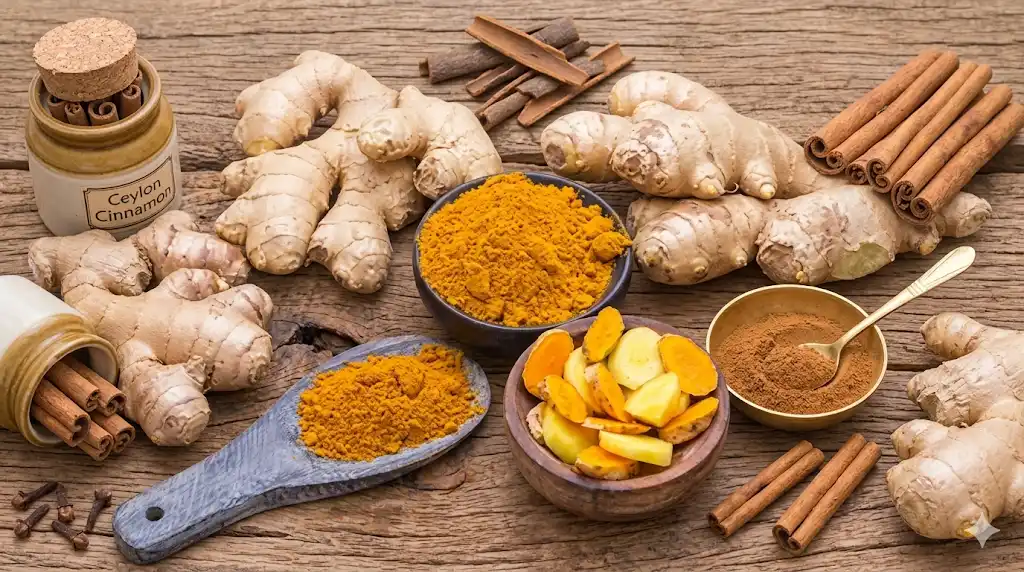
Turmeric
Turmeric contains a compound called curcumin, which has been widely studied for its anti inflammatory properties. Research published in the National Center for Biotechnology Information shows that curcumin may influence multiple molecular pathways involved to reduce inflammation.
Turmeric remains one of the most widely studied herbs that reduce inflammation, particularly in relation to joint health and metabolic conditions.
Ginger
Ginger contains gingerol and other natural compounds that may help regulate inflammatory processes. According to research referenced by the National Institutes of Health, ginger extracts may help reduce inflammatory markers and improve digestive health.
Because of these properties, ginger is frequently included among effective natural inflammation treatments used in traditional and modern dietary practices.
Garlic
Garlic contains sulfur compounds that may support immune regulation. Research summarized by the National Center for Complementary and Integrative Health indicates that garlic may help influence inflammatory responses in the body.
These plant based compounds contribute to garlic’s long standing reputation as one of the important inflammation fighting herbs.
Natural remedies for inflammation that work through daily habits
Diet alone cannot control or reduce inflammation. Lifestyle habits play a major role in regulating immune responses and metabolic health. Several research institutions emphasize the importance of sleep, physical activity, and stress management.
Physical activity and immune balance
Regular exercise supports circulation, metabolism, and immune health. According to the Centers for Disease Control and Prevention, moderate physical activity helps reduce the risk of chronic disease and improves overall health.
Exercise also contributes to the effectiveness of home remedies to reduce inflammation because movement stimulates biological processes that help regulate inflammatory responses.
Sleep and inflammation regulation
Sleep deprivation can increase inflammatory markers in the body. The National Institutes of Health reports that poor sleep patterns may affect immune function and increase susceptibility to chronic illness.
Adults who maintain consistent sleep schedules often experience better metabolic health and improved immune regulation.
Stress management
Chronic psychological stress triggers hormonal responses that may increase inflammation. Research from the American Psychological Association highlights the link between long term stress and immune system disruption.
Mindfulness practices and relaxation techniques are considered among the natural ways to reduce inflammation in the body while also supporting healthy lifestyle habits.
The role of antioxidants in reducing inflammation
Antioxidants protect cells from oxidative stress caused by unstable molecules known as free radicals. Oxidative stress contributes to tissue damage and inflammation.
Many fruits, vegetables, nuts, and seeds provide antioxidants that help maintain cellular balance. These nutrients support the body’s defense systems and complement natural anti inflammatory remedies that focus on diet and lifestyle.
Vitamin C, vitamin E, selenium, and plant polyphenols are particularly important antioxidants found in many antioxidant rich anti inflammatory diet.
Consuming a variety of nutrient dense foods ensures the body receives a broad spectrum of protective compounds known as inflammation reducing foods.
Gut health and inflammation
The digestive system plays an important role in immune function. Scientists estimate that a large portion of the immune system interacts with the gut microbiome.
According to research published by the National Institutes of Health, an imbalance in gut bacteria may contribute to inflammatory diseases.
Diets rich in fiber, fermented foods, and plant based nutrients support beneficial bacteria that promote balanced digestion and immune responses.
Foods such as yogurt, kefir, whole grains, legumes, and vegetables promote a healthy microbiome environment. These foods often appear alongside immune boosting foods recommended for long term health.
Supporting gut health can enhance the benefits of non pharmaceutical anti inflammatory remedies by strengthening immune balance.
Practical strategies to reduce inflammation naturally
Adopting healthier habits does not require drastic lifestyle changes. Small adjustments often produce meaningful long term benefits.
Individuals interested in natural remedies for inflammation may benefit from focusing on three core strategies.
First, prioritize whole foods such as vegetables, fruits, whole grains, and healthy fats.
Second, include plant based ingredients such as turmeric, garlic, and ginger that are widely recognized among natural herbs to reduce inflammation.
Third, maintain consistent habits that support metabolic health, including regular exercise and adequate sleep.
These strategies align with public health recommendations from organizations such as the World Health Organization and the Centers for Disease Control and Prevention.
When natural approaches are most helpful
Natural strategies are most effective when used as part of a comprehensive health plan. They support long term wellness and may reduce risk factors associated with chronic disease.
Also Read: Calcific Tendonitis Shoulder Natural Remedy: 7 Proven Ways to Relieve Pain Fast
However, natural approaches should not replace professional medical care for serious inflammatory conditions. Individuals with persistent symptoms should consult qualified healthcare professionals for diagnosis and treatment.
Many doctors encourage patients to combine medical care with lifestyle strategies that include anti swelling foods, stress reduction, and physical activity.
This balanced approach allows plant based inflammation relief to complement conventional healthcare.
Conclusion
Inflammation plays an essential role in protecting the body, but long term inflammatory processes can contribute to serious health problems over time. Research from institutions such as the National Institutes of Health and Harvard Medical School highlights the importance of diet and lifestyle in regulating inflammatory processes.
Incorporating natural remedies for inflammation into daily life may support immune balance and overall health. Nutrient dense diets rich in body calming foods, along with plant based ingredients and healing herbs to reduce inflammation, provide a practical foundation for long term wellness.
When combined with regular exercise, healthy sleep habits, and stress management, these natural ways to reduce inflammation offer a science supported approach to supporting the body’s natural healing systems.
Sources
National Institutes of Health
National Center for Complementary and Integrative Health
National Center for Biotechnology Information
Harvard T H Chan School of Public Health
Centers for Disease Control and Prevention
American Psychological Association
World Health Organization
National Institutes of Health Office of Dietary Supplements
FAQs
What are the most effective anti inflammatory foods to include in daily meals?
Many nutrition experts recommend building meals around vegetables, fruits, whole grains, and healthy fats. Foods such as berries, leafy greens, fatty fish, olive oil, nuts, and seeds contain compounds that help regulate inflammatory responses. These inflammation fighting foods provide antioxidants and nutrients that support immune function. Consuming a variety of plant based foods also helps ensure balanced nutrient intake that supports long term metabolic health.
Which herbs that reduce inflammation are commonly supported by research?
Turmeric, ginger, and garlic are among the most studied herbal anti inflammatory treatments. These plants contain compounds that influence inflammatory pathways in the body. Curcumin in turmeric has been widely researched for its ability to regulate cellular signaling related to inflammation. Ginger contains gingerol compounds that support digestive and immune health, while garlic contains sulfur compounds that may influence immune responses.
How do holistic inflammation remedies support overall health?
Herbal anti-inflammatory remedies typically focus on improving lifestyle factors that influence immune regulation. Diets rich in plant based foods, regular exercise, and adequate sleep all contribute to balanced immune responses. These approaches do not target symptoms alone. Instead, they support the biological systems that control and reduce inflammation, allowing the body to regulate inflammatory processes more effectively.
Why are antioxidants important in inflammation reducing foods?
Antioxidants protect cells from oxidative stress caused by free radicals. Oxidative stress contributes to tissue damage and chronic inflammation. Many natural inflammation-fighting foods such as fruits, vegetables, nuts, and seeds provide vitamins and plant compounds that act as antioxidants. These nutrients help neutralize harmful molecules and protect cells from inflammatory damage.
How does gut health influence inflammation in the body?
The digestive system plays a central role in immune function. A balanced gut microbiome helps regulate immune responses and prevent excessive inflammation. Diets rich in fiber and fermented foods support beneficial bacteria that interact with the immune system. When gut bacteria remain balanced, the body is better able to control inflammatory responses and maintain overall health.
Can herbs for inflammation relief be combined with inflammation combating foods?
Yes. Many dietary patterns naturally combine herbs and nutrient rich foods. For example, turmeric and garlic are commonly used in vegetable based meals that already contain foods that fight chronic inflammation such as leafy greens and olive oil. This combination provides both nutrients and plant compounds that support immune balance.
Are natural anti inflammatory remedies helpful for long term wellness?
Lifestyle based approaches can support long term health by addressing the underlying factors that influence inflammation. Regular exercise, balanced diets, and stress management all contribute to improved immune regulation. When practiced consistently, these natural inflammation relief solutions may help reduce risk factors associated with chronic inflammatory conditions.