

Joint pain has a sneaky way of ruining simple things. Walking upstairs feels like a workout. Getting out of bed sounds like bubble wrap popping. Even opening a jar can suddenly become a team sport.
That is why millions of people now search for natural remedies before reaching for stronger pain medications. One ingredient keeps showing up everywhere: turmeric.
But does turmeric really help aching joints, or is it another wellness trend hiding behind bright yellow smoothies and expensive supplements?
Research suggests turmeric may help reduce inflammation and improve joint comfort for some people, especially those dealing with osteoarthritis and stiffness. The real question is not whether turmeric exists in your spice rack. The important question is turmeric for joint pain dosage and how to use it correctly.
Too little may do nothing. Too much can upset your stomach faster than questionable gas station sushi.
This guide explains what science actually says about turmeric, how turmeric curcumin joints research works, the right dosage ranges, possible side effects, and how to use turmeric safely for inflammation and arthritis support.
Table of Contents
What Is Turmeric and Why Is It Used for Joint Pain?

Turmeric is a golden-yellow spice that comes from the root of the Curcuma longa plant. People have used it for centuries in traditional Indian and Asian medicine for inflammation, digestion, and pain relief.
The active compound inside turmeric is curcumin. Curcumin gives turmeric its bright color and most of its anti-inflammatory properties.
Scientists became interested in turmeric arthritis research because inflammation plays a major role in many joint conditions. Osteoarthritis, rheumatoid arthritis, and age-related stiffness often involve chronic inflammation that damages tissues over time.
Curcumin appears to affect several inflammatory pathways in the body. According to research published by the National Center for Biotechnology Information, curcumin may help lower inflammatory markers and reduce oxidative stress linked to joint discomfort.
That does not mean turmeric works like magic. It also does not replace medical treatment for serious arthritis conditions. But evidence suggests it may help some people manage mild to moderate joint pain naturally.
Does Turmeric Actually Help Joint Pain?
This is where things get interesting.
Turmeric is not snake oil. Several clinical studies show promising results for joint pain relief, especially in osteoarthritis.
A review published in the journal Frontiers in Pharmacology found that curcumin supplements improved pain and physical function in people with osteoarthritis. Some participants reported benefits comparable to over-the-counter anti-inflammatory medications, but with fewer gastrointestinal side effects.
Another systematic review published in BMJ Open Sport & Exercise Medicine found moderate evidence that curcumin may reduce knee osteoarthritis pain and improve mobility.
Researchers believe turmeric curcumin joints benefits happen because curcumin may:
- Reduce inflammatory chemicals in the body
- Lower oxidative stress
- Support healthier cartilage function
- Decrease joint swelling and stiffness
Still, turmeric is not a miracle cure.
Results vary from person to person. Some people notice improvements within a few weeks. Others notice little difference. Lifestyle factors such as body weight, exercise habits, diet quality, and overall health also affect results.
In simple terms, turmeric may help many people with joint discomfort, but it works best as part of a bigger joint health strategy.
Turmeric is only one option among several natural solutions. You can also explore these 7 Proven Herbal Remedies for Joint Pain That Science Supports Naturally for broader inflammation and mobility support.
Turmeric for Joint Pain Dosage: How Much Should You Take?
The biggest mistake people make is assuming more turmeric automatically means better results.
That is not how it works.
The body absorbs curcumin poorly on its own. Most turmeric powder contains only about 3% curcumin by weight. So sprinkling tiny amounts on food may not provide enough curcumin for noticeable joint support.
When discussing turmeric for joint pain dosage, studies commonly use:
- 500 to 2,000 mg of curcumin daily
- Divided into two or three doses
- Often combined with black pepper extract called piperine
Piperine can dramatically improve curcumin absorption. Without it, much of the curcumin passes through the digestive system unused.
Many experts recommend starting low and gradually increasing intake.
For example:
Mild Joint Discomfort
Around 500 mg curcumin daily may be enough for mild stiffness or occasional discomfort.
Moderate Arthritis Symptoms
Studies on turmeric arthritis often use 1,000 to 1,500 mg daily split into smaller doses.
Cooking With Turmeric
If you use turmeric powder in food, many dietitians suggest about 1 to 3 grams daily. That equals roughly half to one teaspoon.
Still, food-based turmeric usually contains far less concentrated curcumin than supplements.
How Much Turmeric for Inflammation Is Safe?
People often assume natural means harmless. Nature would like a word. Poison ivy exists.
Turmeric is generally safe for most healthy adults when used in moderate amounts. However, high doses can cause problems.
Research from the National Institutes of Health notes possible side effects such as:
- Upset stomach
- Nausea
- Diarrhea
- Acid reflux
- Headaches
Very high intakes may also interact with medications.
If you wonder how much turmeric for inflammation is safe long term, most studies consider up to 2,000 mg of curcumin daily relatively safe for short-term use in healthy adults. Still, you should speak with a healthcare provider before taking high-dose supplements regularly.
This matters especially if you:
- Take blood thinners
- Have gallbladder disease
- Use diabetes medication
- Have kidney stones
- Are pregnant
- Take medications for arthritis or immune disorders
Turmeric Powder vs Curcumin Supplements
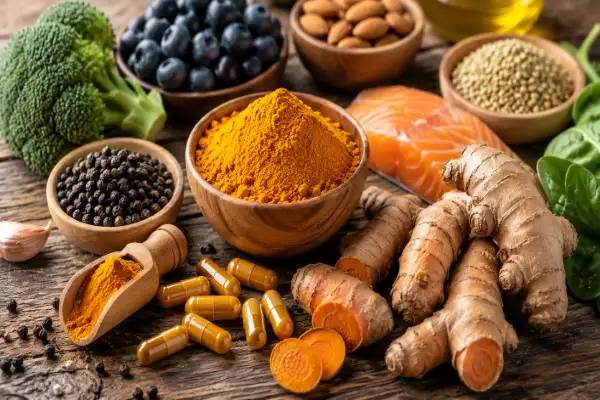
Many people ask whether kitchen turmeric works as well as supplements.
The answer depends on your goal.
Turmeric Powder
Turmeric powder works well in cooking and offers general wellness benefits. It contains natural plant compounds beyond curcumin.
However, the curcumin concentration remains fairly low.
Adding black pepper and healthy fats like olive oil may improve absorption.
Curcumin Supplements
Supplements usually contain concentrated extracts with higher curcumin levels.
Some formulas also include:
- Piperine for absorption
- Phospholipid complexes
- Nano-curcumin technology
These products aim to improve bioavailability, meaning your body absorbs more active compounds.
For people specifically seeking turmeric curcumin joints support, supplements may provide stronger and more consistent dosing than food alone.
Best Ways to Take Turmeric for Joint Pain
Consistency matters more than trendy recipes.
Many people quit after three days because they expected turmeric to behave like a movie superhero saving their knees overnight.
Natural anti-inflammatory support usually takes time.
Here are practical ways people use turmeric:
Turmeric Tea
Turmeric tea combines warm water, turmeric powder, black pepper, and sometimes ginger. It may help mild inflammation and feels comforting during colder months.
Golden Milk
Golden milk mixes turmeric with milk or plant milk, black pepper, cinnamon, and healthy fats. This traditional drink may improve absorption while tasting much better than chewing raw turmeric root like a determined raccoon.
Capsules
Capsules provide controlled turmeric for joint pain dosage levels. This option works well for people who dislike the flavor.
Cooking
Adding turmeric to soups, curries, rice, eggs, or roasted vegetables helps increase daily intake naturally.
How Long Does Turmeric Take to Work for Joint Pain?
This depends on the person, dosage, and severity of inflammation.
Some studies report improvements within 4 to 8 weeks.
Unlike fast-acting pain relievers, turmeric generally works gradually. Think of it as a slow-building support strategy rather than an emergency fix.
People often notice:
- Less morning stiffness
- Improved flexibility
- Reduced swelling
- Better comfort during movement
If you try turmeric arthritis support, consistency matters. Taking random doses once every few days usually produces disappointing results.
Can Turmeric Replace Arthritis Medication?
No. At least not without medical supervision.
Turmeric may help support symptom management, but it should not replace prescribed treatment for serious arthritis conditions unless your healthcare provider approves changes.
Rheumatoid arthritis, autoimmune conditions, and severe joint disease often require medical care to prevent permanent damage.
Turmeric may work best as a complementary approach alongside:
- Exercise
- Weight management
- Physical therapy
- Anti-inflammatory nutrition
- Medical treatment when needed
Who Should Avoid Turmeric Supplements?
Turmeric is not ideal for everyone.
You should speak with a healthcare professional before using concentrated supplements if you:
- Take anticoagulants like warfarin
- Have bleeding disorders
- Have gallstones
- Experience acid reflux frequently
- Are preparing for surgery
- Take multiple medications
Curcumin may affect blood clotting and medication metabolism.
Even healthy supplements can create problems when combined incorrectly.
What Science Still Does Not Know About Turmeric
Researchers continue studying turmeric because results remain mixed.
Some studies show strong improvements. Others show smaller effects.
One challenge involves supplement quality. Different products contain different curcumin amounts and absorption methods. That makes comparisons difficult.
Another issue is bioavailability. Curcumin alone absorbs poorly, so newer formulations attempt to solve that problem.
Scientists still need larger long-term studies to confirm exactly how effective turmeric is for different types of arthritis and chronic inflammation.
That said, current evidence supports turmeric as a potentially helpful option for many people with mild to moderate joint discomfort.
Lifestyle Habits That Improve Joint Health Alongside Turmeric

Turmeric works better when combined with healthy habits.
That may sound boring compared to miracle cures on social media, but your joints prefer boring consistency over dramatic internet promises.
Helpful strategies include:
Staying Active
Gentle movement supports joint flexibility and muscle strength. Walking, swimming, yoga, and cycling often help more than complete rest.
Maintaining Healthy Weight
Extra body weight increases pressure on knees, hips, and ankles.
Even modest weight reduction may improve pain levels.
Eating Anti-Inflammatory Foods
A diet rich in vegetables, fruits, fish, nuts, olive oil, and whole grains may support lower inflammation overall.
Sleeping Well
Poor sleep increases inflammatory stress in the body. Joint recovery depends heavily on good sleep quality.
Choosing a Good Turmeric Supplement
Not all supplements are equal.
When choosing a product for turmeric curcumin joints support, look for:
- Standardized curcumin extract
- Third-party testing
- Clear dosage labeling
- Piperine or enhanced absorption technology
- Reputable manufacturers
Avoid products making outrageous promises like “reverse arthritis instantly.” If a supplement sounds like it belongs in a late-night infomercial next to magical abs equipment, caution helps.
Frequently Asked Questions
What is the best turmeric for joint pain dosage daily?
Most studies on turmeric for joint pain dosage use between 500 mg and 2,000 mg of curcumin daily. Many experts suggest starting with 500 mg per day and increasing slowly if needed. Supplements with black pepper extract may improve absorption and effectiveness.
How much turmeric for inflammation should I take naturally?
If you use turmeric powder in food, many nutrition experts recommend around 1 to 3 grams daily, which equals about half to one teaspoon. For stronger anti-inflammatory support, concentrated curcumin supplements may work better than cooking turmeric alone.
Does turmeric actually help arthritis and joint pain?
Research suggests turmeric may help reduce inflammation, stiffness, and discomfort linked to osteoarthritis and mild joint pain. Turmeric curcumin joints studies show promising results, especially when people use standardized curcumin supplements consistently for several weeks.
How long does turmeric take to work for joint pain?
Turmeric usually works gradually rather than instantly. Some people notice less stiffness and better mobility within 4 to 8 weeks. Consistency matters because turmeric for joint pain dosage works best when taken daily as part of a healthy lifestyle.
Is turmeric safe to take every day for arthritis?
Turmeric is generally safe for most healthy adults when used in moderate amounts. However, high doses may cause stomach upset or interact with medications like blood thinners. People with medical conditions should speak with a healthcare provider before taking turmeric arthritis supplements daily.
Final Verdict: Does Turmeric Help Joint Pain?
Turmeric shows genuine promise for joint health, especially for mild to moderate inflammation and osteoarthritis symptoms.
Current research suggests curcumin may help reduce pain, stiffness, and inflammation in some people. The strongest evidence supports concentrated curcumin supplements rather than tiny amounts used occasionally in cooking.
For most healthy adults, turmeric for joint pain dosage commonly ranges between 500 and 2,000 mg of curcumin daily depending on the product and individual needs.
Still, turmeric is not a miracle cure. It works best alongside exercise, healthy weight management, proper medical care, and anti-inflammatory lifestyle habits.
If you plan to use turmeric supplements regularly, especially at higher doses, speaking with a healthcare provider remains the safest approach.
Your knees may never write you a thank-you letter, but they might complain a little less on the stairs.
Sources
National Center for Biotechnology Information – Curcumin and Inflammation
Mayo Clinic – Arthritis Overview
Author Bio
Jennifer Collins is a wellness researcher and natural health writer focused on adults over 40. With 3+ years of experience in digital health content, Jennifer specializes in making science-backed nutrition and lifestyle strategies easy to follow and apply.
Health Disclaimer
This content is for informational purposes only and is not intended to diagnose, treat, or cure any disease. Always consult your healthcare provider before making changes to your diet or health