

Many adults begin noticing knee discomfort sometime after the age of forty. One day you walk up the stairs and feel fine. The next day your knees feel stiff, achy, or slightly unstable. If that sounds familiar, you are not alone. Knee pain is one of the most common musculoskeletal complaints among adults in the United States. According to the American Academy of Orthopedic Surgeons, knee pain affects millions of adults each year and often becomes more common with age.
Many people begin experiencing knee discomfort sometime after the age of forty due to cartilage wear, muscle imbalance, or joint inflammation. If you want to understand the bigger picture behind this problem, you can read our complete guide on knee pain after 40 where we explain the most common causes and long-term solutions.
The encouraging news is that the right exercises can make a real difference. Proper movement helps strengthen the muscles around the knee, improve flexibility, and reduce stress on the joint. In fact, many orthopedic specialists recommend targeted strengthening exercises as a first line approach before considering medication or invasive treatments.
This guide explains the best exercises for knee pain over forty. You will learn why these exercises help, how to perform them safely, and what mistakes to avoid. The goal is simple: help you move more comfortably and keep your knees working for many years to come.
Why Knee Pain Often Appears After 40
Before talking about exercises, it helps to understand why knee pain appears in the first place. The knee joint handles enormous stress every day. It supports body weight, absorbs shock during movement, and allows bending and rotation.
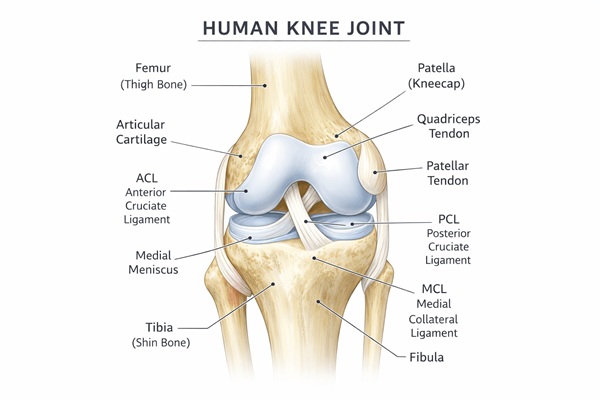
Several changes occur gradually after forty.
Cartilage becomes thinner
Cartilage cushions the bones inside the knee. Over time it loses elasticity and may wear down. This process contributes to osteoarthritis, the most common form of arthritis. According to the Cleveland Clinic, osteoarthritis occurs when cartilage deteriorates and bones begin rubbing against each other.
Muscles weaken with age
Many adults lose muscle strength in the quadriceps and hamstrings after forty. Weak muscles force the knee joint to absorb more stress.
Reduced flexibility
Tight muscles around the hips, thighs, and calves may change knee alignment and increase strain.
Previous injuries
Old sports injuries or repetitive stress from work or exercise may also contribute to pain years later.
These factors explain why strengthening and stretching exercises play such an important role in managing knee discomfort.
Why Exercise Helps Knee Pain
Many people worry that exercise might make knee pain worse. That concern is understandable. However, the right exercises actually help protect the joint.
Exercise benefits the knees in several ways.
Stronger muscles stabilize the joint
The quadriceps and hamstrings act like shock absorbers. When these muscles grow stronger, they reduce pressure on the knee.
Movement improves joint lubrication
Joint fluid circulates when you move. This fluid nourishes cartilage and reduces stiffness.
Flexibility improves alignment
Stretching keeps muscles balanced and prevents uneven stress on the joint.
Weight management becomes easier
Regular movement helps maintain a healthy body weight, which reduces load on the knees. The Arthritis Foundation reports that every pound of body weight adds roughly four pounds of pressure on the knee joint while walking.
In simple terms, strong and flexible muscles make the knee’s job much easier.
Before starting any strengthening routine, it helps to understand why knee discomfort develops in the first place. Our detailed article on knee pain after 40 explains the underlying causes and warning signs you should watch for.
Safety Tips Before Starting Knee Exercises
Before starting any exercise routine, keep a few basic guidelines in mind.
Start slowly. Sudden intense workouts can irritate the joint.
Focus on controlled movements. Fast or jerky motions increase strain.
Avoid sharp pain. Mild discomfort is acceptable, but sharp pain signals a problem.
Warm up first. Gentle walking or light stretching prepares the muscles.
Consult a healthcare professional if pain persists or worsens.
These simple precautions help ensure that exercise supports recovery rather than causing additional stress.
Best Exercises for Knee Pain Over 40
The following exercises are commonly recommended by physical therapists and orthopedic specialists. They focus on strengthening the muscles that support the knee while keeping joint stress low.
1. Straight Leg Raises
Straight leg raises strengthen the quadriceps without bending the knee. This exercise works well for people experiencing pain during knee bending.
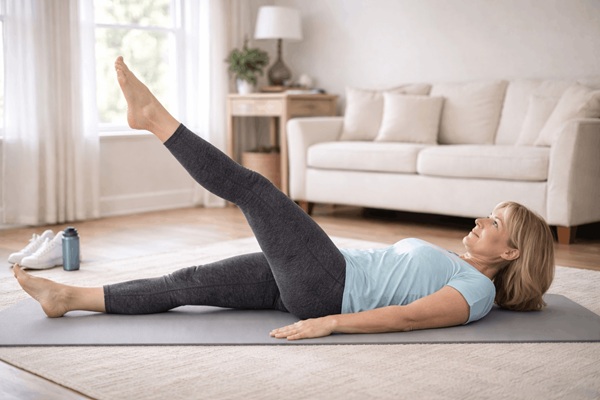
How to perform it:
Lie on your back with one leg bent and the other straight. Tighten the thigh muscle of the straight leg. Slowly lift the leg about twelve inches off the floor. Hold for a few seconds, then lower it gently.
Repeat ten to fifteen times per leg.
Why it helps:
The quadriceps play a critical role in stabilizing the knee. Strengthening them reduces stress on the joint during walking and climbing stairs.
2. Hamstring Curls
Hamstring curls strengthen the muscles behind the thigh. Balanced muscle strength prevents excessive strain on the knee joint.
How to perform it:
Stand behind a chair and hold the backrest for support. Slowly bend one knee and bring your heel toward your buttocks. Hold for a few seconds, then lower your foot slowly.
Perform ten repetitions on each leg.
Why it helps:
Strong hamstrings support knee stability and improve balance during walking.
3. Wall Sits
Wall sits build strength in both the quadriceps and glutes. This exercise also improves endurance in the muscles that support the knee.
How to perform it:
Stand with your back against a wall. Slowly slide down until your knees bend slightly. Hold the position for ten to fifteen seconds.
Gradually increase the hold time as strength improves.
Why it helps:
Wall sits strengthen the muscles responsible for stabilizing the knee during everyday activities.
4. Step Ups
Step ups mimic everyday movements such as climbing stairs. They strengthen multiple muscles that support the knee joint.
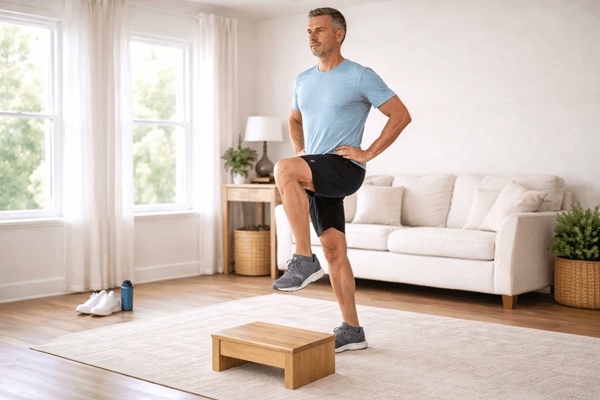
How to perform it:
Use a sturdy step or low platform. Step up with one foot and bring the other foot up. Step down slowly and repeat.
Start with ten repetitions per leg.
Why it helps:
This exercise strengthens the quadriceps, hamstrings, and glutes while improving coordination.
5. Calf Raises
Calf raises strengthen the muscles in the lower leg. These muscles play an important role in supporting knee movement and balance.
How to perform it:
Stand with feet shoulder width apart. Slowly raise your heels until you stand on your toes. Hold for a few seconds, then lower your heels.
Repeat fifteen times.
Why it helps:
Strong calves help stabilize the lower leg and reduce strain on the knee joint.
6. Gentle Hamstring Stretch
Stretching exercises improve flexibility and reduce tension around the knee.
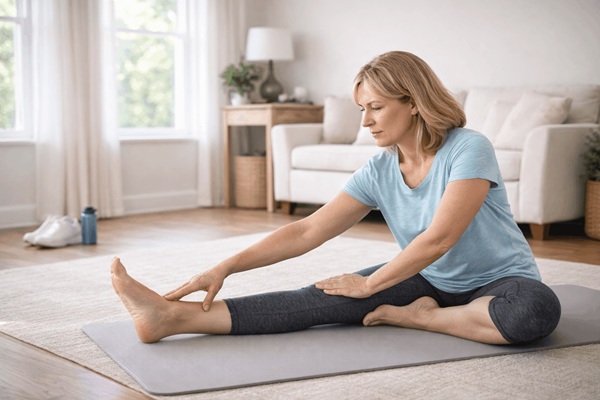
How to perform it:
Sit on the floor with one leg extended. Reach toward your toes while keeping your back straight. Hold the stretch for twenty seconds.
Repeat on the other leg.
Why it helps:
Flexible hamstrings reduce pulling forces on the knee joint.
Exercises to Avoid With Knee Pain
Some exercises place excessive stress on the knee joint. Avoid these movements if you experience knee pain.
Deep squats
High impact running
Jumping exercises
Sudden twisting movements
Kneeling on hard surfaces
Low impact activities such as walking swimming and cycling provide safer alternatives.
Lifestyle Habits That Support Knee Health
Exercise works best when combined with healthy lifestyle habits.
Maintain a healthy weight
Excess weight increases pressure on the knee joint.
Wear supportive shoes
Good footwear improves alignment and reduces impact.
Stay active throughout the day
Long periods of sitting can cause stiffness.
Strengthen surrounding muscles
Strong hips and core muscles help stabilize the knee.
Small daily habits often produce the biggest long term improvements.
When to See an Orthopedic Specialist
Exercise helps many people manage knee pain, but some symptoms require medical evaluation.
Consult a doctor if you experience:
Severe swelling
Inability to bear weight
Joint instability
Sudden severe pain after injury
Persistent pain lasting several weeks
The Mayo Clinic recommends seeking medical care if knee pain interferes with daily activities or worsens despite rest and home care.
The Long Term Outlook for Knee Pain After 40
Many people assume knee pain inevitably worsens with age. In reality, early intervention often leads to better outcomes.
Strengthening exercises, flexibility training, and healthy lifestyle habits can significantly improve joint function. Physical therapy programs often reduce pain and improve mobility within several weeks or months.
Consistent care matters more than quick fixes. Knees respond best to gradual strengthening and regular movement.
Final Thoughts
Knee pain after forty can feel frustrating, but it does not mean you must give up the activities you enjoy. With the right exercises and a thoughtful approach to joint health, many people regain comfort and confidence in their movement.
Start slowly, focus on strengthening the muscles that support the knee, and listen to your body. If pain persists or worsens, seek guidance from a qualified healthcare professional.
Taking care of your knees today can help you stay active and mobile for decades to come.
Sources and Medical References
American Academy of Orthopaedic Surgeons
Cleveland Clinic Knee Osteoarthritis
Arthritis Foundation Joint Health and Exercise Guidance
Cleveland Clinic Knee Osteoarthritis
About the Author
Jennifer Collins
Health Research Editor, JointReliefJournal
Jennifer Collins focuses on translating complex health research into practical, easy to understand information for adults over 40. Her work centers on joint health, mobility, and long term wellness strategies that help readers make informed decisions about their daily habits.
Disclaimer
This article is intended for educational purposes only and should not replace professional medical advice. Always consult a qualified healthcare provider regarding any concerns about knee pain or other health conditions.