

Knee pain can turn everyday activities into frustrating challenges. Walking up stairs, kneeling, or even getting up from a chair may start to feel uncomfortable as the years go by. Because of this, many people search for supplements that might help protect their joints or reduce pain. One of the most widely discussed supplements is glucosamine.
But the big question remains: does glucosamine work for knee pain?
You have probably seen glucosamine mentioned in advertisements, pharmacy shelves, or health articles. Some people swear by it, while others claim it does nothing. The truth lies somewhere in the middle, and scientific research provides valuable insight into how glucosamine may affect joint health.
In this article, we will explore what glucosamine is, how it works in the body, what scientific studies say about its effectiveness, and whether it may help people experiencing knee pain.
What Is Glucosamine?
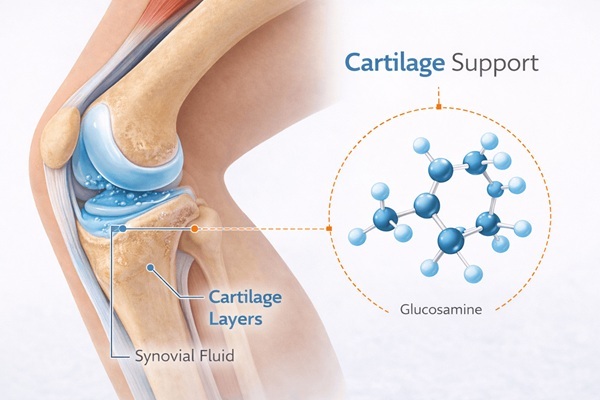
Glucosamine is a natural compound found in cartilage. Cartilage acts as the cushioning material between bones in joints. It helps bones glide smoothly during movement and absorbs shock when you walk, run, or bend your knees.
The body produces glucosamine naturally. However, as people age, cartilage can gradually wear down. This process often contributes to conditions such as osteoarthritis.
Glucosamine supplements are typically derived from shellfish shells or produced synthetically. They are widely marketed as joint health supplements that may support cartilage structure.
According to the National Institutes of Health (NIH), glucosamine is one of the most commonly used dietary supplements for joint health in the United States.
Why People Take Glucosamine for Knee Pain
People usually take glucosamine supplements because they believe it may help maintain cartilage or slow joint degeneration.
Several theories explain why glucosamine may help with joint discomfort.
First, glucosamine plays a role in producing molecules that support cartilage structure. Some researchers believe supplementation may support cartilage maintenance.
Second, glucosamine may have mild anti-inflammatory effects. Inflammation often contributes to joint discomfort, particularly in osteoarthritis.
Third, some studies suggest glucosamine may help improve joint function in certain individuals.
These potential benefits have made glucosamine one of the most widely used supplements for knee pain.
Many adults begin experiencing joint discomfort as they age. If you want to understand the broader causes behind this issue, read our complete guide on knee pain after 40.
What Research Says About Glucosamine and Knee Pain
Scientific studies have explored whether glucosamine supplements truly improve knee pain. Results vary depending on the study design, supplement type, and patient population.
Evidence from Clinical Studies
One of the largest studies examining glucosamine was the Glucosamine/Chondroitin Arthritis Intervention Trial (GAIT) conducted by the National Institutes of Health.
The study evaluated whether glucosamine and chondroitin supplements helped relieve osteoarthritis knee pain.
Researchers found that glucosamine alone did not significantly reduce knee pain for most participants compared with placebo. However, some participants with moderate to severe pain experienced modest improvement when glucosamine was combined with chondroitin.
Another analysis published in the British Medical Journal reviewed several clinical trials and concluded that glucosamine supplements showed little to no significant improvement in joint pain for many individuals.
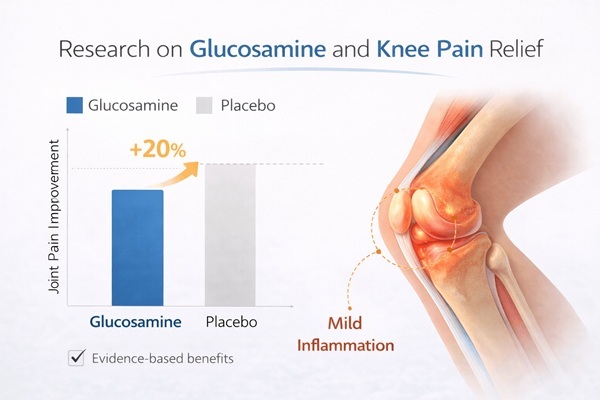
However, not all research agrees.
Some European studies have suggested that a specific form called glucosamine sulfate may improve symptoms of knee osteoarthritis and potentially slow joint space narrowing over time.
Because of these mixed results, researchers continue to study glucosamine to better understand its role in joint health.
Types of Glucosamine Supplements
Not all glucosamine supplements are identical. Different forms may produce different outcomes.
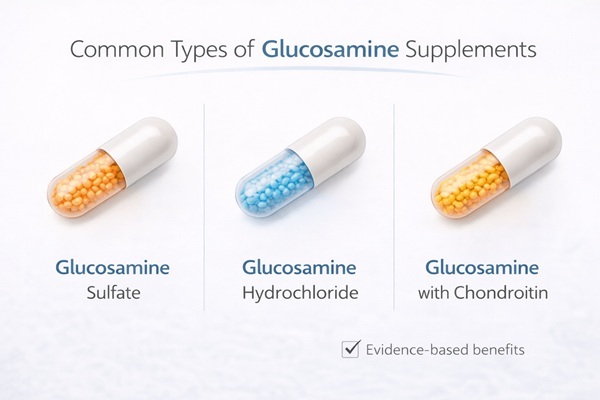
Glucosamine Sulfate
Glucosamine sulfate appears most frequently in clinical studies. Some research suggests this form may provide modest relief for osteoarthritis symptoms.
Glucosamine Hydrochloride
Glucosamine hydrochloride is another common supplement form. Research results for this version have been less consistent.
Glucosamine Combined with Chondroitin
Many joint supplements combine glucosamine with chondroitin. Chondroitin is another compound found in cartilage that may help maintain joint structure.
Some studies suggest the combination may benefit certain individuals with moderate joint pain.
Who Might Benefit from Glucosamine
Although research results vary, some people report noticeable improvements after taking glucosamine supplements.
Glucosamine may be more helpful for individuals with mild to moderate osteoarthritis rather than those with advanced joint degeneration.
According to the Arthritis Foundation, some people experience modest symptom relief after using glucosamine consistently for several weeks.
However, responses vary widely between individuals. Some people notice improvement, while others see little change.
How Long It Takes to See Results
Unlike pain medications, glucosamine does not work immediately.
Many studies evaluate its effects over several weeks or months. People who respond to glucosamine often report improvement after about four to eight weeks of consistent use.
Because supplements work gradually, patience is important when evaluating their effectiveness.
Safety and Possible Side Effects
Glucosamine supplements are generally considered safe for most people when used appropriately.
The National Center for Complementary and Integrative Health (NCCIH) reports that glucosamine usually causes only mild side effects, if any.
Possible side effects include:
• Mild digestive upset
• Nausea
• Heartburn
• Drowsiness in rare cases
People with shellfish allergies should exercise caution because some glucosamine supplements are derived from shellfish shells.
It is always wise to consult a healthcare professional before starting any new supplement.
Other Evidence-Based Ways to Reduce Knee Pain
Supplements may help some people, but they should not replace proven strategies for maintaining joint health.
Strengthening the Muscles Around the Knee
Strong muscles stabilize the knee joint and reduce pressure on cartilage.
Exercises that strengthen the quadriceps, hamstrings, and hips often improve knee comfort.
Physical therapists frequently recommend exercises such as straight leg raises and step-ups.
Maintaining a Healthy Body Weight
Body weight plays a significant role in knee health.
The Arthritis Foundation explains that every extra pound of body weight adds roughly four pounds of pressure on the knee joint during walking.
Maintaining a healthy weight can significantly reduce stress on the knees.
Staying Physically Active
Movement supports joint lubrication and flexibility.
Low-impact activities such as walking, swimming, and cycling help maintain knee mobility while minimizing stress on the joint.
Regular activity also strengthens muscles that protect the knee.
Physical Therapy
Structured physical therapy programs can improve strength, flexibility, and joint function.
Therapists design targeted exercises that support knee stability and reduce discomfort.
When to See a Doctor for Knee Pain
Occasional knee discomfort may improve with lifestyle adjustments. However, certain symptoms require medical evaluation.
Consult a healthcare professional if you experience:
• Severe knee swelling
• Sudden pain after injury
• Difficulty bearing weight
• Knee instability or locking
• Persistent pain lasting several weeks
Orthopedic specialists can evaluate joint health and recommend appropriate treatment options.
The Bottom Line: Does Glucosamine Work for Knee Pain?
So, does glucosamine work for knee pain?
Scientific evidence suggests that glucosamine may provide modest relief for some individuals, particularly those with mild to moderate osteoarthritis. However, research results remain mixed, and not everyone experiences improvement.
Some people report reduced stiffness and improved mobility after using glucosamine consistently. Others notice little difference.
Because responses vary, glucosamine should be viewed as a possible supportive option rather than a guaranteed solution.
Combining healthy lifestyle habits with medical guidance often produces the best results for long-term knee health.
Final Thoughts
Knee pain can make everyday movements feel more challenging, especially as joints experience natural wear over time. Supplements like glucosamine attract attention because they promise to support cartilage and reduce discomfort.
While research shows mixed results, glucosamine remains a widely used supplement that may help certain individuals manage mild knee pain.
If you are considering glucosamine, speak with a healthcare professional and combine supplementation with proven strategies such as exercise, weight management, and joint-friendly habits.
Healthy knees rely on consistent care, balanced movement, and smart lifestyle choices.
Sources and Medical References
National Center for Complementary and Integrative Health
Arthritis Foundation
British Medical Journal Osteoarthritis Study
Mayo Clinic Knee Pain Overview
About the Author
Jennifer Collins
Health Research Editor, JointReliefJournal
Jennifer Collins focuses on translating complex health research into practical, easy to understand information for adults over 40. Her work centers on joint health, mobility, and long term wellness strategies that help readers make informed decisions about their daily habits.
Disclaimer
This article is intended for educational purposes only and should not replace professional medical advice. Always consult a qualified healthcare provider regarding any concerns about knee pain or other health conditions.