

Dr. Preet Pal SB, MD
Physician specializing in diabetes, metabolic health, and joint care management. Read More About Dr. Preet Pal’s Medical Credentials & Editorial Integrity Here
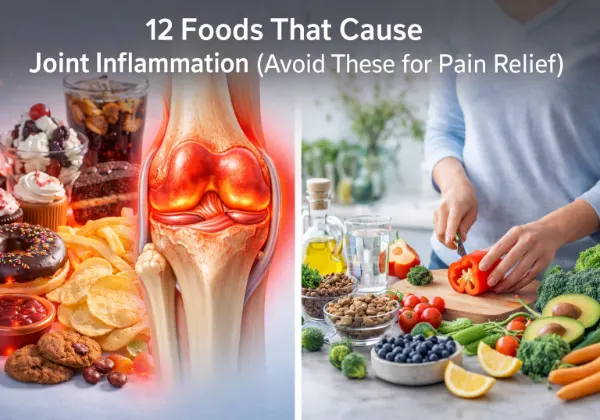
Waking up with stiff fingers, throbbing knees, or aching hips often feels like an unpredictable turn of fate. However, clinical research reveals that your daily plate plays an undeniable role in fueling joint discomfort. Identifying dietary triggers—specifically identifying foods that cause joint inflammation—is one of the most immediate, impactful ways to protect your cartilage, quiet systemic flare-ups, and restore natural mobility.
When you consume pro-inflammatory foods, your body releases inflammatory messengers known as cytokines. Think of cartilage like the shock-absorbing tread on a high-performance tire: while natural wear-and-tear occurs over decades, systemic inflammation acts like driving on a flat tire over jagged gravel, rapidly degrading the cushion between your bones.
Identify High-Risk Dietary Triggers
Step 1 to calming systemic flare-ups
Audit your pantry to spot hidden sources of refined sugars, industrial seed oils high in Omega-6, processed meats containing nitrates, and ultra-processed additives.
Cool Down Inflammatory Messengers
Step 2 for cellular protection
Eliminate high-glycemic carbohydrates and trans fats that trigger pro-inflammatory cytokines (IL-6, TNF-alpha) and accelerate Advanced Glycation End-products (AGEs).
Rebuild Joint Matrix & Synovial Fluid
Step 3 for long-term mobility
Replace dietary triggers with nutrient-rich whole foods, anti-inflammatory Omega-3s, and targeted bio-compounds like high-molecular-weight hyaluronic acid to rehydrate joint cartilage.
Table of Contents
What Foods Cause Inflammation and Joint Pain? The Top 12 Culprits
Understanding what foods cause inflammation and joint pain requires looking beneath the surface at how specific molecules interact with your immune system, metabolic pathways, and gut lining.
1. Refined Sugars and High-Fructose Corn Syrup
When you drink a soda or eat processed sweets, your blood glucose spikes abruptly. This rapid surge stimulates the production of Advanced Glycation End-products (AGEs)—harmful compounds formed when protein or fat combines with sugar in the bloodstream. AGEs cross-link with collagen fibers, stiffening the cartilage matrix and making it far more brittle.
2. Industrial Seed Oils (Excess Omega-6 Fatty Acids)
Corn, soybean, sunflower, and cottonseed oils dominate processed foods. While Omega-6 fatty acids are essential in microscopic amounts, the modern Western diet provides a skewed 20:1 ratio of Omega-6 to Omega-3. This extreme imbalance prompts the liver to synthesize arachidonic acid, which converts into pro-inflammatory prostaglandins and leukotrienes.
3. Refined Carbohydrates
White bread, white rice, commercial pastries, and instant cereals lack fiber and essential micronutrients. They break down almost instantly into simple glucose, triggering an insulin surge that activates Nuclear Factor-kappa B (NF-kB)—a key gene regulator that turns on inflammatory cytokine cascades throughout your joints.
4. Processed and Cured Meats
Bacon, hot dogs, sausage, and deli meats contain high levels of advanced glycation end-products and synthetic nitrates. High-temperature cooking forms heterocyclic amines (HCAs) and polycyclic aromatic hydrocarbons (PAHs), compounds known to induce systemic oxidative stress and irritate sensitive synovial membranes.
5. Synthetic Trans Fats
Hydrogenated vegetable oils (found in commercial baking fats, margarine, and packaged fried snacks) increase low-density lipoprotein (LDL) while directly triggering systemic tissue inflammation. Trans fats accelerate CRP (C-reactive protein) levels, a primary biomarker measured by physicians to track autoimmune and arthritic severity.
6. High-Purine Red Meat
While lean meats supply protein, frequent consumption of grain-fed beef, lamb, and organ meats fills the bloodstream with purines. When purines break down, they form uric acid crystals. If your kidneys cannot filter uric acid effectively, microscopic, needle-like crystals deposit inside joint capsules, causing severe throbbing and acute gout flare-ups.
7. Commercial Fried and Fast Foods
Deep frying foods in commercial oils under intense heat creates toxic lipid peroxides and acrolein. Consuming these degraded fats damages the mucosal lining of the gut, allowing endotoxins (bacterial lipopolysaccharides) to seep into the circulation—a pathway frequently linked to systemic joint ache and morning stiffness.
8. Excess Alcohol
Alcohol strains the liver, taxes metabolic detox pathways, and increases intestinal permeability. Furthermore, alcohol deactivates key anti-inflammatory enzymes, causing an accumulation of lactic acid and purines in the bloodstream. Over time, this leads to fluid retention around sensitive knee, wrist, and ankle joints.
9. High-Sodium Packaged Goods

Consuming excess sodium from canned soups, frozen dinners, and salty snacks alters cellular osmotic pressure. High salt intake drives fluid retention inside joint spaces and activates specific immune pathways (such as TH17 cells) that exacerbate autoimmune joint conditions like rheumatoid arthritis.
10. Artificial Additives and Flavor Enhancers
Additives such as Monosodium Glutamate (MSG) and synthetic sweeteners like aspartame can act as excitotoxins in sensitive individuals. These chemical compounds alter neuro-immune signaling, resulting in muscle tension, heightened pain reception, and heightened joint sensitivity.
11. Conventional Dairy (For Casein-Sensitive Individuals)
While dairy provides calcium, certain proteins—specifically A1 beta-casein found in conventional cow’s milk—can provoke immune antibody responses in sensitive individuals. This immune friction often translates into systemic tissue swelling and localized joint stiffness.
12. Gluten and Refined Wheat Products
Gluten, a storage protein found in wheat, barley, and rye, triggers the release of zonulin—a protein that opens the tight junctions of the intestinal wall. In gluten-sensitive individuals, leaky gut wall integrity allows undigested food particles into the bloodstream, provoking systemic immune attacks on joint tissues.
Comparing Inflammatory Triggers vs. Anti-Inflammatory Solutions
Evaluating how dietary choices directly impact cellular inflammation, biomarker levels, and joint structural integrity highlights clear alternatives:
| Food Category | Primary Mechanism of Joint Harm | Inflammatory Biomarkers Triggered | Recommended Healthy Swap |
|---|---|---|---|
| Refined Sugars | Forms AGEs; cross-links and stiffens joint collagen. | High-sensitivity C-Reactive Protein (hs-CRP) | Fresh organic blueberries, dark sweet cherries |
| Industrial Seed Oils | Skews Omega-6/Omega-3 ratio; produces arachidonic acid. | Interleukin-6 (IL-6) Tumor Necrosis Factor-alpha | Extra-virgin olive oil, cold-pressed avocado oil |
| Processed Meats | High nitrites and AGEs increase synovial oxidative stress. | F2-Isoprostanes Nitrotyrosine | Wild-caught salmon, pasture-raised poultry |
| Refined Grains | High glycemic index spikes insulin and NF-kB signaling. | Fasting Insulin Serum Amyloid A (SAA) | Quinoa, wild rice, steel-cut oats |
| Trans Fats | Alters membrane fluidity; accelerates cartilage degradation. | Vascular Cell Adhesion Molecule-1 (VCAM-1) | Raw walnuts, chia seeds, flaxseed oil |
Biological Mechanisms: How Inflammatory Foods Degrade Cartilage
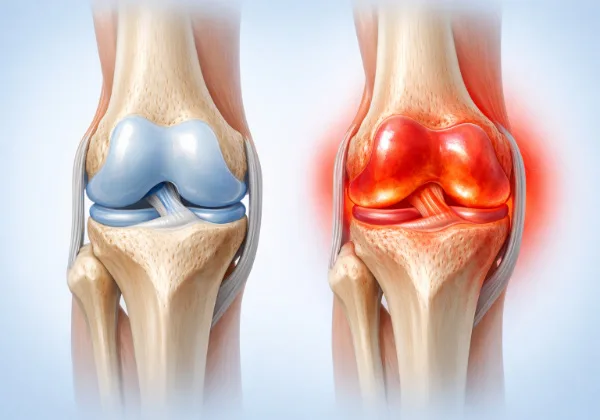
To visualize what occurs inside an inflamed joint, picture a smooth, lubricated ball-and-socket hinge protected by a gelatinous buffer called synovial fluid. This fluid is rich in natural hyaluronic acid, which acts as a hydraulic shock absorber and lubricant.
When pro-inflammatory foods dominate your diet, three destructive processes unfold simultaneously:
- Oxidative Degradation: Free radicals generated by heated oils and synthetic additives attack the hyaluronic acid molecules within your synovial fluid, breaking long, cushiony molecular chains into short, watery fragments.
- Matrix Metalloproteinase (MMP) Activation: Cytokines triggered by high sugar and refined carbs stimulate enzymes known as MMPs. These enzymes literally chew away at cartilage collagen fibers, causing loss of cushion.
- Micro-Vascular Stagnation: High sodium and trans fats impair localized blood vessel dilation, reducing oxygen and nutrient delivery to subchondral bone layers underlying joint cartilage.
Learning to optimize your knee pain diet with anti-inflammatory foods helps halt this enzymatic destruction, allowing your body to rebuild structural integrity.
Dr. Preet Pal’s Clinical Perspective “In clinical practice, patients frequently assume joint wear is an inevitable consequence of age. Yet when we analyze inflammatory blood panels, we routinely find elevated high-sensitivity CRP driven directly by modern ultra-processed diets. Eliminating industrial seed oils and refined carbohydrates is often as effective as first-line pharmacological therapies for reducing morning stiffness. Protecting your cartilage requires addressing systemic metabolic inflammation from the inside out.”
Practical Daily Strategies to Quiet Joint Inflammation
To break the inflammatory cycle and reclaim effortless movement, pair smart dietary changes with foundational lifestyle habits:
- Hydrate Consistently: Cartilage is composed of roughly 80% water. Hydrating continuously throughout the day helps maintain shock-absorbing capacity.
- Prioritize Daily Low-Impact Movement: Gentle walking, swimming, or cycling acts like a natural pump, forcing metabolic waste out of joint capsules while circulating fresh oxygen and nutrients. Building positive joint health habits ensures consistent long-term progress.
- Balance Sex-Specific Risk Factors: Men and women process metabolic inflammation differently due to hormonal shifts; for instance, post-menopausal estrogen declines accelerate joint drying in women, whereas purine accumulation drives higher gout rates in men. Understanding key differences in joint health for women vs men allows for targeted dietary adjustments.
Targeted Nutritional Support: Restoring Synovial Fluid with Joint Genesis

While removing inflammatory foods eliminates destructive triggers, rebuilding worn cartilage and restoring shock-absorbing synovial fluid requires targeted bio-nutrients.
As we age—and particularly after years of exposure to dietary AGEs and oxidative stress—our synovial fluid loses its thickness and viscosity. The joint-lubricating “hyaluronan molecules” degrade, leaving cartilage exposed to friction, erosion, and grinding pain.
Joint Genesis addresses this biological bottleneck with a science-backed formula designed to replenish joint fluid and cool persistent inflammation:
- Mobilee® (Advanced Hyaluronan Matrix): Clinically shown to multiply joint hyaluronan levels by up to 10 times, restoring thick, gel-like lubrication to dry joint sockets far more effectively than standard oral hyaluronic acid.
- French Maritime Pine Bark Extract: Packed with powerful antioxidants that pass directly into joint tissue, neutralizing free radicals that degrade collagen and inhibiting pro-inflammatory enzymes.
- Ginger Root & Boswellia Serrata: Time-tested botanical extracts that downregulate the COX-2 and 5-LOX inflammatory pathways, providing natural comfort without digestive irritation.
- BioPerine® (Black Pepper Extract): Enhances the bioavailability and cellular absorption of every active compound.
By combining an anti-inflammatory diet with Joint Genesis, you replace damaged joint fluid, protect structural cartilage, and support fluid, pain-free mobility.
Frequently Asked Questions
What are the most common foods that cause joint inflammation?
The most common foods that cause joint inflammation include sugary foods, refined carbohydrates, fried foods, processed meats, and trans fats. These foods increase inflammatory markers in the body and can worsen joint pain, stiffness, and swelling over time.
Can avoiding foods that cause joint inflammation reduce joint pain?
Yes, avoiding foods that cause joint inflammation can help reduce joint pain and stiffness. Many people notice improvement when they limit sugar, processed foods, and unhealthy fats while focusing on anti-inflammatory foods like fruits, vegetables, and omega-3-rich sources.
How quickly do foods that cause joint inflammation affect the body?
Foods that cause joint inflammation can affect the body within hours to a few days. Some people experience increased stiffness or discomfort shortly after eating trigger foods, while others notice gradual worsening with consistent intake over time.
Are all dairy products considered foods that cause joint inflammation?
Not all dairy products cause inflammation for everyone. However, some people are sensitive to dairy proteins, which can trigger inflammation and joint discomfort. If you suspect dairy is one of the foods that cause joint inflammation for you, try eliminating it temporarily and monitor your symptoms.
What should I eat instead of foods that cause joint inflammation?
Instead of foods that cause joint inflammation, focus on anti-inflammatory options like leafy greens, berries, fatty fish, nuts, seeds, and whole grains. These foods help reduce inflammation, support joint health, and improve overall mobility.
Final Thoughts
Joint pain does not always start in your joints. Often, it begins on your plate.
The good news is that you have control over many of the triggers. By reducing foods that cause joint inflammation, you can support your body naturally and improve your quality of life.
You do not need extreme diets or complicated plans. Just make smarter food choices, listen to your body, and stay consistent.
Your joints will thank you. Probably not with words, but definitely with less pain.
Verified Medical Sources
- Centers for Disease Control and Prevention (CDC): Arthritis Basics and Dietary Risk Factors.
- National Institute of Arthritis and Musculoskeletal and Skin Diseases (NIAMS): Osteoarthritis Causes, Diagnosis, and Nutrition.
- Arthritis Foundation: Anti-Inflammatory Diet Guidelines for Rheumatoid and Osteoarthritis.
- Harvard Health Publishing: Foods that cause inflammation and how to avoid them.
Author Bio
Jennifer Collins is a wellness researcher and natural health writer focused on adults over 40. With 3+ years of experience in digital health content, Jennifer specializes in making science-backed nutrition and lifestyle strategies easy to follow and apply.
Health Disclaimer
This content is for informational purposes only and is not intended to diagnose, treat, or cure any disease. Always consult your healthcare provider before making changes to your diet or health routine. This article may include affiliate links, which come at no extra cost to you.