

If you are over 40 and suddenly your knees feel stiff, painful, or unreliable, you are not imagining it. Many people across the United States start noticing knee discomfort around this age. It may appear when walking downstairs, getting out of a chair, or after a long day on your feet.
I hear this concern often from readers. They say something like, “My knees were fine for years, and suddenly they hurt when I move.” If that sounds familiar, you are not alone. Knee pain after 40 is extremely common, and in many cases it is manageable when you understand what is happening inside your joint.
This guide explains knee pain after 40 in simple, clear language. We will talk about where the pain comes from, what different pain locations can mean, practical steps you can take, and when it is time to stop searching online and talk to an orthopedic specialist.
Why Knee Pain Often Starts After 40
Our knees carry a large portion of our body weight every day. Over time the structures inside the joint naturally change. This does not mean your body is failing. It simply means your joints have been working hard for decades.
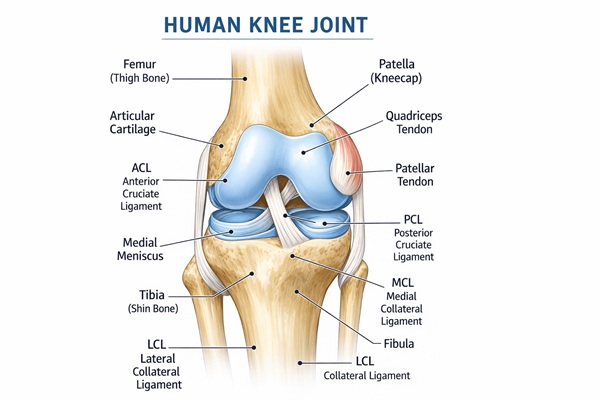
Several factors commonly contribute to knee discomfort after 40.
Cartilage changes
The cartilage inside the knee acts as a cushion between bones. As we age, cartilage can become thinner and less elastic, which may lead to stiffness or soreness.
Muscle imbalance
Many adults gradually lose muscle strength in the thighs and hips. When those muscles weaken, the knee joint takes on more stress.
Inflammation
Small amounts of inflammation can develop in the joint tissues after repetitive movement, long walks, or standing for extended periods.
Previous injuries
Old sports injuries or accidents can sometimes show their effects later in life.
Weight and lifestyle
Carrying extra body weight or sitting for long periods can increase pressure on the knees.
Understanding these factors is important because the solution often involves improving how the joint is supported rather than simply trying to mask the pain.
Many readers also report knee pain when bending after 40, especially while squatting, sitting down, or standing up from a chair. This type of discomfort usually appears when the muscles around the knee become weaker or when cartilage inside the joint begins to wear down over time.
Common Knee Pain Locations and What They May Mean
Many readers describe their knee pain differently depending on where it occurs. While only a healthcare professional can diagnose a specific condition, the location of discomfort can sometimes provide clues.
Pain at the front of the knee
This type of pain often appears when climbing stairs, kneeling, or standing up from a chair. It can be associated with irritation around the kneecap.
Pain on the inside of the knee
This area carries a large portion of body weight during walking. Pain here may occur when the joint experiences extra pressure or strain.
Pain on the outside of the knee
Some people feel discomfort on the outer side of the knee, especially after long walks or exercise.
Pain behind the knee
A tight or aching sensation behind the knee can sometimes happen after prolonged sitting or standing.
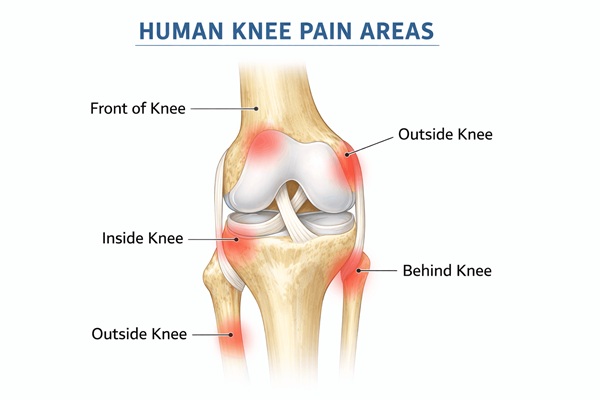
Pain levels can vary widely. Some people experience mild stiffness in the morning while others notice more persistent inflammation after activity. Severe swelling, instability, or sharp pain should always be evaluated by a professional.
Some adults also experience morning knee pain after 50, where the knee feels stiff or sore when getting out of bed. This often happens because joints remain inactive during sleep and fluid circulation slows overnight, which can temporarily increase stiffness.
Step by Step Approach to Managing Knee Pain After 40
Many knee issues improve when the joint receives better support and less unnecessary strain. These steps are commonly recommended by orthopedic specialists and physical therapists.
Start with gentle movement
While it may seem counterintuitive, complete rest can sometimes worsen stiffness. Gentle movement such as walking or light stretching can help improve circulation and joint lubrication.
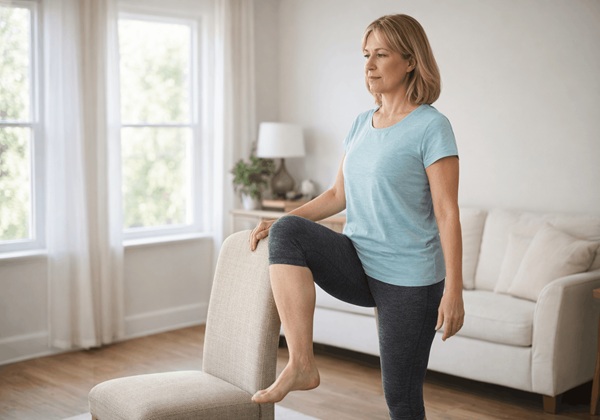
Strengthen the supporting muscles
Strong quadriceps and hip muscles reduce stress on the knee joint. Simple exercises such as straight leg raises, step ups, and controlled squats may help strengthen these areas when done safely.
Improve flexibility
Tight hamstrings and calves can pull on the knee joint. Gentle stretching routines can improve flexibility and reduce tension.
Maintain a healthy weight
Even small reductions in body weight can significantly reduce the pressure placed on the knees during daily activities.
Use supportive footwear
Shoes with good cushioning and support can help absorb shock and improve alignment when walking.
Apply cold or heat when appropriate
Cold packs can help reduce inflammation after activity, while warmth may ease stiffness in the morning.
These approaches often work best when practiced consistently rather than as occasional fixes.
What to Avoid When Managing Knee Pain
Sometimes knee pain persists because certain habits unknowingly aggravate the joint. Avoiding these patterns can make a significant difference.
Avoid sudden increases in physical activity
Going from little movement to intense workouts can overload the joint.
Avoid deep squats or kneeling for long periods
These positions place heavy pressure on the kneecap.
Avoid ignoring persistent swelling
Swelling is a sign the joint may need rest or medical evaluation.
Avoid relying only on pain medication
Medication may reduce symptoms temporarily but does not address the underlying issue.
Listening to your body and adjusting your activity level is an important part of protecting your knees.
When Not to Google and See an Orthopedic Specialist
While many knee discomfort issues are manageable, certain warning signs require professional evaluation. If any of the following occur, it is best to stop reading articles and schedule an appointment with an orthopedic specialist.
Severe swelling appears suddenly
The knee cannot bear weight or feels unstable
The joint locks or cannot fully straighten
Pain follows a significant injury or fall
Fever accompanies swelling or redness around the knee
Pain continues for several weeks despite rest and gentle care
Medical professionals can provide imaging, physical exams, and treatment options that go beyond general advice.
Common Misconceptions About Knee Pain After 40
There are many myths about knee pain that can lead people toward ineffective or even harmful decisions.
Myth: Knee pain means you should stop moving
Reality: Controlled movement often supports joint health. Total inactivity may worsen stiffness.
Myth: Knee pain always means arthritis
Reality: Many other factors such as muscle imbalance or inflammation can contribute.
Myth: Surgery is the only solution
Reality: Many people manage knee discomfort successfully with strengthening, physical therapy, and lifestyle changes.
Understanding these misconceptions can help you make more informed decisions about your joint health.
What the Future Outlook Looks Like
The long term outlook for knee pain after 40 depends on the underlying cause and how early supportive care begins.
Many individuals see improvement within several weeks to months when they adopt strengthening routines and protect their joints during daily activities.
If knee pain is ignored for long periods, complications may develop. Chronic inflammation can gradually affect cartilage health and lead to more persistent mobility limitations.
The encouraging news is that early awareness and consistent care often prevent minor knee discomfort from becoming a long term issue.
Recovery Timelines and Possible Complications
Recovery timelines vary widely depending on the source of the pain.
Mild inflammation may improve within a few weeks with rest and strengthening exercises.
Muscle imbalance related knee pain often improves over several months with guided physical therapy.
More advanced joint degeneration may require longer treatment plans involving rehabilitation, medication management, or other interventions recommended by healthcare professionals.
Ignoring persistent symptoms may lead to worsening stiffness, decreased mobility, and greater joint stress over time.
Submit Your Story
Many readers find comfort in hearing how others have navigated similar challenges.
If you have experienced knee pain after 40 and found strategies that helped you regain comfort or mobility, we invite you to share your story. Your experience may help others understand that recovery and improvement are possible.
You can submit your experience through our contact page so we can learn from real journeys and build a supportive community around joint health.
Insights From Reader Experiences
From feedback shared by readers of joint health articles, several common patterns appear.
Many people notice knee stiffness in the morning that improves after gentle movement. Others report discomfort after long periods of sitting at work. A significant number say strengthening their thigh muscles helped reduce daily knee strain.
These insights highlight that small lifestyle adjustments can often make a meaningful difference.
Frequently Asked Questions
Is knee pain after 40 normal?
Yes, knee pain after 40 is common because the knee joint experiences gradual wear over time. Cartilage may become thinner, muscles around the knee can weaken, and past injuries may start causing discomfort. According to the American Academy of Orthopaedic Surgeons, age-related joint changes and reduced muscle strength often contribute to knee pain in adults over 40. Regular exercise, maintaining a healthy weight, and strengthening the surrounding muscles can help reduce symptoms.
What is the most common cause of knee pain after 40?
One of the most common causes of knee pain after 40 is early osteoarthritis, a condition where cartilage in the knee gradually wears down. Other causes include weak quadriceps muscles, previous injuries, inflammation, or overuse of the joint. The Mayo Clinic explains that knee pain can also occur when the kneecap does not move smoothly over the thigh bone during movement.
Can exercise help knee pain after 40?
Yes, the right exercises can significantly improve knee pain after 40. Strengthening the quadriceps, hamstrings, and hip muscles helps stabilize the knee joint and reduce pressure on cartilage. Low-impact exercises such as walking, cycling, straight leg raises, and step-ups are commonly recommended by physical therapists to improve mobility and reduce knee discomfort.
Why does knee pain after 40 feel worse when going down stairs?
Knee pain after 40 often feels worse when going down stairs because the knee must absorb more body weight while controlling movement. During stair descent, the quadriceps muscles contract to stabilize the knee and prevent the body from falling forward. This movement increases pressure on the kneecap and joint surface, which may cause pain if the cartilage or surrounding tissues are irritated.
When should I see a doctor for knee pain after 40?
You should see a doctor for knee pain after 40 if the pain lasts several weeks, becomes severe, or causes swelling, instability, or difficulty bearing weight. Medical evaluation is also recommended if the knee locks, gives way, or if the pain occurs after an injury. An orthopedic specialist can examine the joint and recommend appropriate treatment options.
How This Article Was Created
This article was developed using research from established orthopedic and musculoskeletal health resources. Information was reviewed from reputable organizations such as the American Academy of Orthopaedic Surgeons, physical therapy guidelines, and widely recognized medical literature on joint health and aging.
Expert insights from orthopedic specialists and physical therapists were considered when explaining common causes and recommended care approaches. The goal is to provide clear, responsible educational information that helps readers understand their options while encouraging professional medical guidance when necessary.
Sources and Medical References
Information in this article was reviewed using guidance from the following reputable medical resources:
• Cleveland Clinic – Knee Osteoarthritis
• Mayo Clinic – Knee Pain Causes and Symptoms
• American Academy of Orthopaedic Surgeons (AAOS)
• National Institutes of Health (NIH) – Knee Osteoarthritis Research
These organizations provide widely recognized medical guidance for understanding joint health and knee pain conditions.
About the Author
Jennifer Collins
Health Research Editor, JointReliefJournal
Jennifer Collins focuses on translating complex health research into practical, easy to understand information for adults over 40. Her work centers on joint health, mobility, and long term wellness strategies that help readers make informed decisions about their daily habits.
Disclaimer
This article is intended for educational purposes only and should not replace professional medical advice. Always consult a qualified healthcare provider regarding any concerns about knee pain or other health conditions.