

Dr. Preet Pal SB, MD
Physician specializing in diabetes, metabolic health, and joint care management. Read More About Dr. Preet Pal’s Medical Credentials & Editorial Integrity Here
When your body detects an injury or infection, it sends white blood cells to the area like a fleet of emergency responders. This immediate reaction is acute inflammation, and it is vital for survival. However, when the immune alarm gets stuck in the “ON” position, low-grade systemic swelling slowly damages healthy tissues over time. Seeking effective natural remedies for inflammation can help restore biochemical balance without relying solely on long-term pharmaceutical solutions.
3 Steps to Lower Systemic Inflammation Naturally
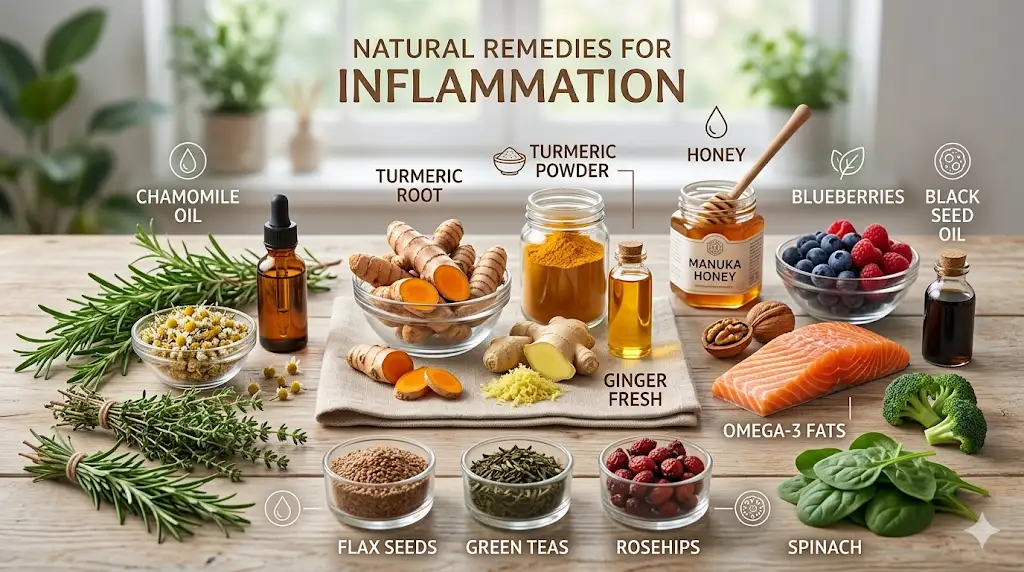
- Adopt an Anti-Inflammatory Mediterranean Diet Pattern: Prioritize wild fatty fish (salmon, mackerel), dark leafy greens, extra virgin olive oil, and berries rich in polyphenols while eliminating ultra-processed sugars.
- Incorporate Bioactive Botanical Compounds: Utilize clinically studied herbs like turmeric (curcumin paired with black pepper), ginger, and garlic to downregulate inflammatory NF-kB pathways.
- Optimize Essential Lifestyle Biomarkers: Maintain 7 to 9 hours of restorative sleep, engage in 30 minutes of low-impact cardiovascular exercise daily, and implement active stress reduction to keep cortisol balanced.
How Chronic Swelling Attacks Healthy Joints and Tissues
Think of chronic low-grade inflammation like rust silently eating away at an iron fence. You might not notice the structural damage happening on day one, but over months and years, the underlying framework degrades.
When inflammatory cytokines like TNF-alpha and Interleukin-6 circulate continuously through your bloodstream, they begin breaking down cartilage collagen matrices. Over time, this leads directly to chronic inflammation and joint pain, leaving joints stiff, warm, and hyper-sensitive to basic daily movement.
Powerful Natural Inflammation Healers Found in Whole Foods
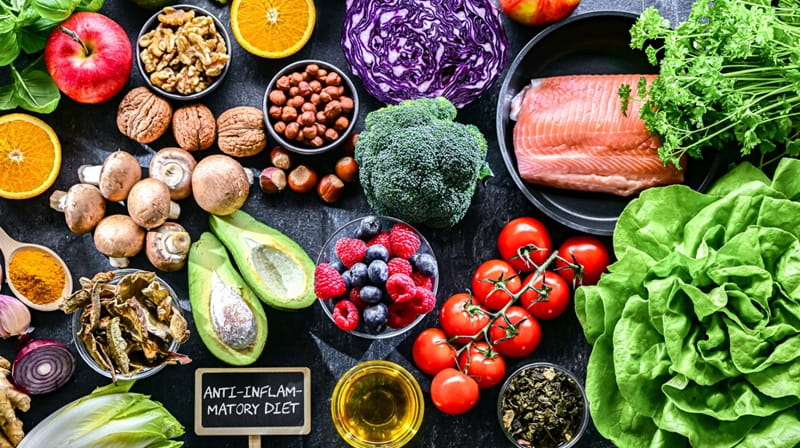
Your kitchen counter is often your first line of defense against systemic cellular stress. Dietary choices directly modulate metabolic pathways, either fanning the internal flames or dousing them with protective phytonutrients.
1. Cold-Water Omega-3 Fatty Fish
Wild salmon, sardines, anchovies, and mackerel deliver high doses of eicosapentaenoic acid (EPA) and docosahexaenoic acid (DHA). These essential fatty acids act as direct precursors to resolvins and protectins—specialized lipid mediators that actively signal the immune system to turn off its swelling response.
2. Polyphenol-Rich Dark Berries
Blueberries, blackberries, and tart cherries contain dense concentrations of anthocyanins. These potent antioxidants neutralize free radicals before they can trigger cellular membrane oxidation.
3. Dark Leafy Greens
Kale, Swiss chard, and spinach deliver abundant vitamin K, lutein, and magnesium. Magnesium acts as a natural calcium channel blocker in muscle cells, relaxing vascular tissues and reducing circulating C-reactive protein (CRP) levels.
However, just as protective foods cool the system down, consuming hyper-processed oils and refined grains actively triggers inflammatory cascades. Minimizing dietary triggers by eliminating foods that cause joint inflammation creates a clean slate for your body to repair damaged cartilage.
Anti-Inflammatory Bioactives: Herbs and Spices That Heal
Botanical medicine provides concentrated plant extracts that interact directly with human enzyme pathways, similar to modern target-specific therapies.
| Remedy / Herb | Primary Active Compound | Primary Mechanism of Action | Clinical Benefit Target |
| Turmeric Root | Curcuminoids (Curcumin) | Inhibits NF-kB and COX-2 enzymatic pathways | Reduces joint swelling, stiffness, and arterial stiffness |
| Ginger Rhizome | Gingerols & Shogaols | Blocks leukotriene synthesis and prostaglandin production | Relieves joint discomfort and improves digestive motility |
| Fresh Garlic | Allicin & Diallyl Disulfide | Suppresses inflammatory cytokine expression | Supports vascular endothelial function and immune response |
| Boswellia Serrata | Boswellic Acids (AKBA) | Inhibits 5-LOX enzyme specifically | Protects cartilage matrix degradation in weight-bearing joints |
Dr. Preet Pal’s Clinical Perspective
“In my clinical practice, I often remind patients that chronic joint inflammation is biologically similar to driving a car with a worn-out tire tread. If you keep driving on unbalanced alignment, the rubber shreds faster. Botanical bioactives like curcumin and boswellia act like precision wheel alignments—they cool down localized synovial tissue swelling so the body can finally begin its natural repair processes.”
Daily Habits That Reset Your Immune System
Nutritional inputs only cover one side of the physiological balance sheet. Lifestyle variables directly govern your endocrine system and autonomic nervous system tone.
Restorative Sleep Architecture
During deep Stage 3 slow-wave sleep, your brain’s glymphatic system cleanses cellular waste products while growth hormones repair micro-tears in joint tissues. Chronic sleep deprivation increases pro-inflammatory IL-6 levels by over 25%.
Moderate Daily Movement
Engaging in 30 minutes of brisk walking or swimming causes skeletal muscle contractions to release myokines—protective signaling proteins that exert systemic anti-inflammatory effects throughout the vascular network.
Personalized Metabolic Alignment
Because every person processes nutrients differently based on gut microbiome composition and genetic markers, tailoring your daily routine through personalized nutrition for joint health ensures long-term cellular resilience.
Clinical Spotlight: Targeted Botanical Support for Joint Mobility
While dietary shifts provide the foundational base, severe or long-standing joint discomfort often requires higher concentrations of bioactive compounds than cooking alone can provide.
Flexafen: A Science-Backed Approach to Synovial Joint Comfort
For individuals struggling with daily joint stiffness or localized cartilage wear, Flexafen offers a targeted formulation designed to break the inflammatory feedback loop inside the joint capsule.
Rather than relying on high-dose synthetic pain masks, Flexafen utilizes a synergistic matrix featuring Type II Collagen (UC-II) alongside clinical botanicals like Boswellia Serrata, Turmeric, and Hyaluronic Acid.
- Improves Synovial Fluid Hydration: Hyaluronic acid restores shock-absorbing fluid cushioning between friction-prone bone ends.
- Deactivates Cartilage-Degrading Enzymes: Boswellic acids selectively target the 5-LOX inflammatory enzyme without causing stomach irritation.
- Promotes Immune Tolerance: UC-II collagen trains the gut-associated lymphoid tissue (GALT) to stop attacking joint cartilage proteins.
Verified Medical Sources
- National Institute of Arthritis and Musculoskeletal and Skin Diseases (NIAMS): Understanding Arthritis and Joint Inflammation
- Centers for Disease Control and Prevention (CDC): Managing Chronic Inflammation and Physical Activity
- Mayo Clinic Health Information: Anti-Inflammatory Diet Principles and Joint Health
- Arthritis Foundation: Natural Supplements and Botanical Therapies for Joint Pain
Frequently Asked Questions
What are the most effective anti inflammatory foods to include in daily meals?
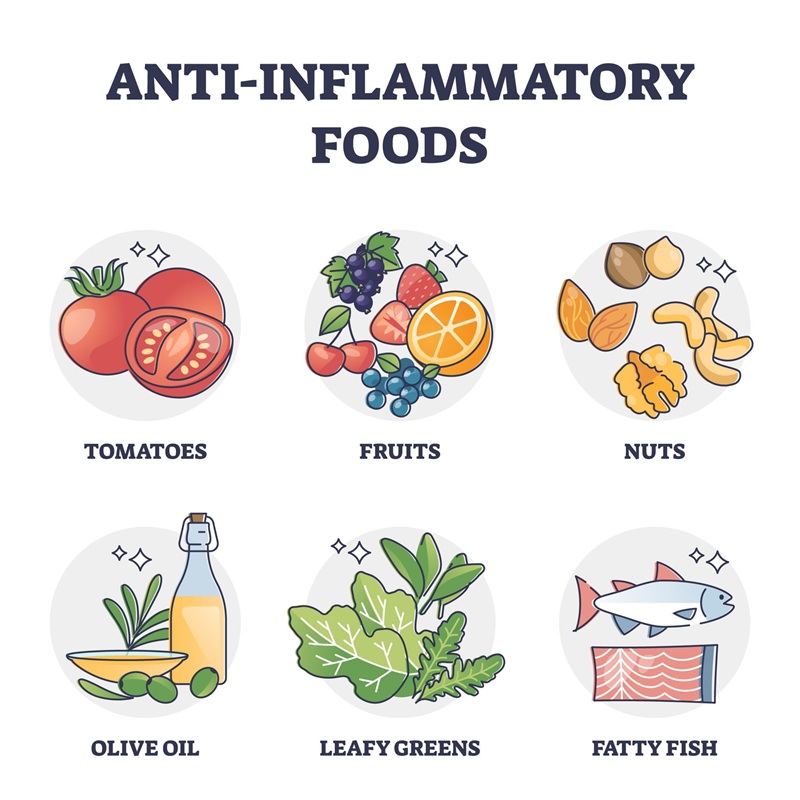
Many nutrition experts recommend building meals around vegetables, fruits, whole grains, and healthy fats. Foods such as berries, leafy greens, fatty fish, olive oil, nuts, and seeds contain compounds that help regulate inflammatory responses. These inflammation fighting foods provide antioxidants and nutrients that support immune function. Consuming a variety of plant based foods also helps ensure balanced nutrient intake that supports long term metabolic health.
Which herbs that reduce inflammation are commonly supported by research?
Turmeric, ginger, and garlic are among the most studied herbal anti inflammatory treatments. These plants contain compounds that influence inflammatory pathways in the body. Curcumin in turmeric has been widely researched for its ability to regulate cellular signaling related to inflammation. Ginger contains gingerol compounds that support digestive and immune health, while garlic contains sulfur compounds that may influence immune responses.
How do holistic inflammation remedies support overall health?
Herbal anti-inflammatory remedies typically focus on improving lifestyle factors that influence immune regulation. Diets rich in plant based foods, regular exercise, and adequate sleep all contribute to balanced immune responses. These approaches do not target symptoms alone. Instead, they support the biological systems that control and reduce inflammation, allowing the body to regulate inflammatory processes more effectively.
Why are antioxidants important in inflammation reducing foods?
Antioxidants protect cells from oxidative stress caused by free radicals. Oxidative stress contributes to tissue damage and chronic inflammation. Many natural inflammation-fighting foods such as fruits, vegetables, nuts, and seeds provide vitamins and plant compounds that act as antioxidants. These nutrients help neutralize harmful molecules and protect cells from inflammatory damage.
How does gut health influence inflammation in the body?
The digestive system plays a central role in immune function. A balanced gut microbiome helps regulate immune responses and prevent excessive inflammation. Diets rich in fiber and fermented foods support beneficial bacteria that interact with the immune system. When gut bacteria remain balanced, the body is better able to control inflammatory responses and maintain overall health.
Can herbs for inflammation relief be combined with inflammation combating foods?
Yes. Many dietary patterns naturally combine herbs and nutrient rich foods. For example, turmeric and garlic are commonly used in vegetable based meals that already contain foods that fight chronic inflammation such as leafy greens and olive oil. This combination provides both nutrients and plant compounds that support immune balance.
Are natural anti inflammatory remedies helpful for long term wellness?
Lifestyle based approaches can support long term health by addressing the underlying factors that influence inflammation. Regular exercise, balanced diets, and stress management all contribute to improved immune regulation. When practiced consistently, these natural inflammation relief solutions may help reduce risk factors associated with chronic inflammatory conditions.
Author Bio
Jennifer Collins is a wellness researcher and natural health writer focused on adults over 40. With 3+ years of experience in digital health content, Jennifer specializes in making science-backed nutrition and lifestyle strategies easy to follow and apply.
Health Disclaimer
This content is for informational purposes only and is not intended to diagnose, treat, or cure any disease. Always consult your healthcare provider before making changes to your diet or health routine. This article may include affiliate links, which come at no extra cost to you.